

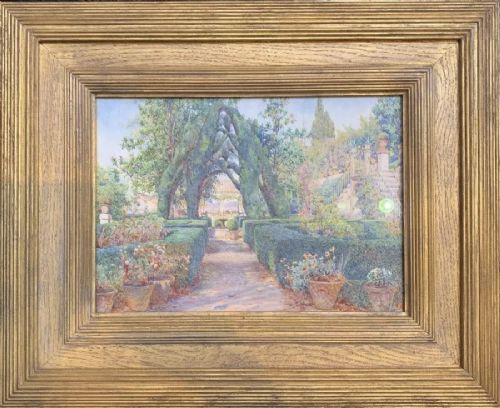

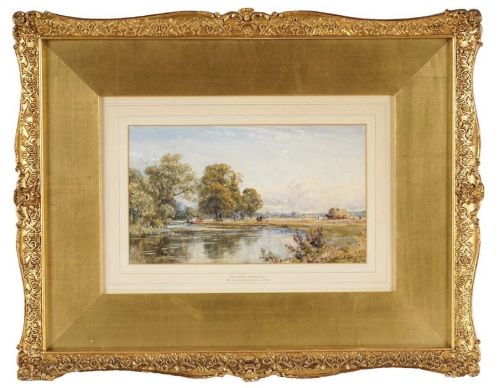
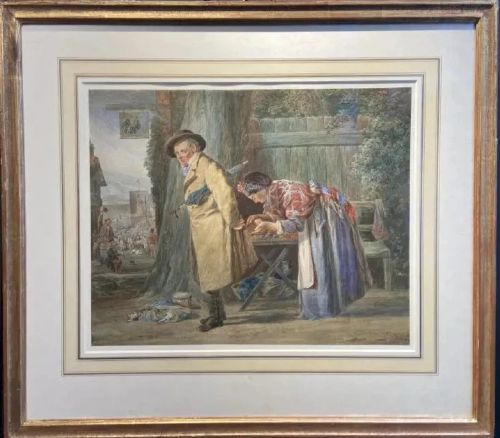
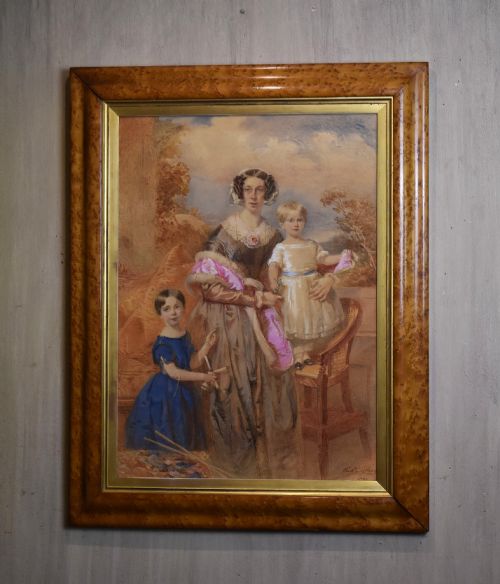
Gilded Watercolour Painting
These gilded watercolour painting selections bring together delicate pigments and ornate frames from the nineteenth and early twentieth centuries.
Gilded Watercolour Painting
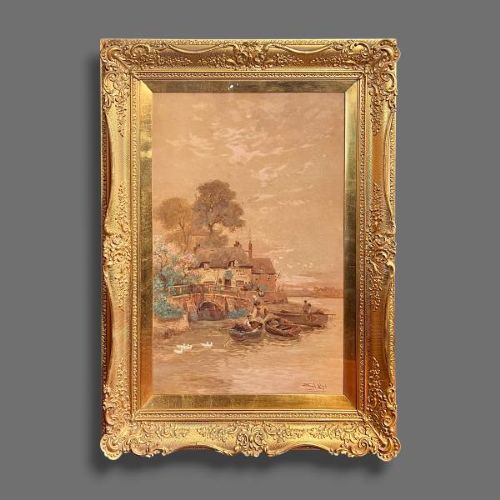
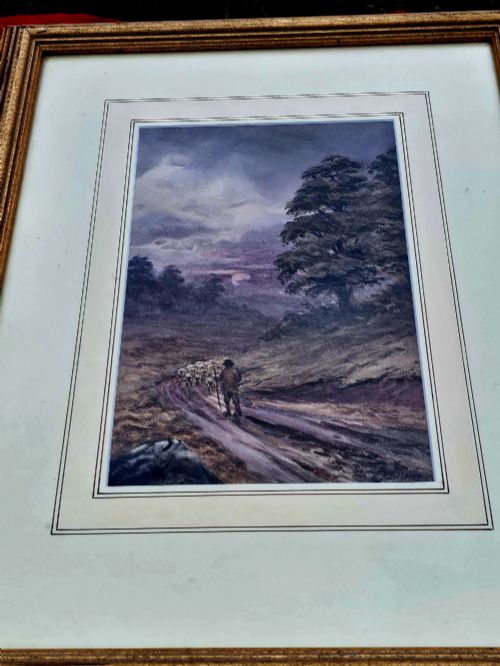
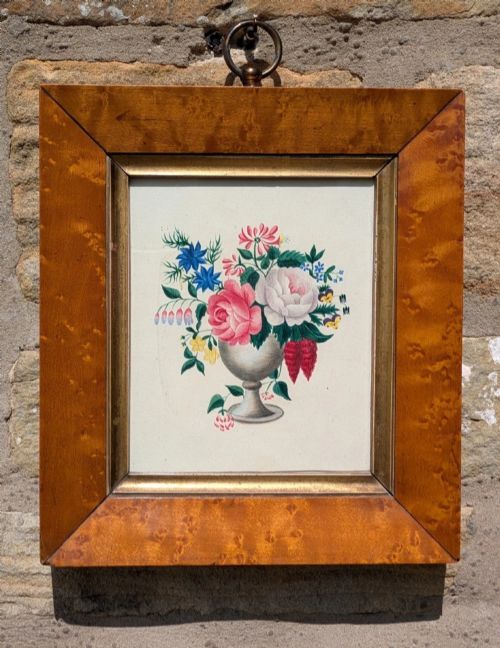
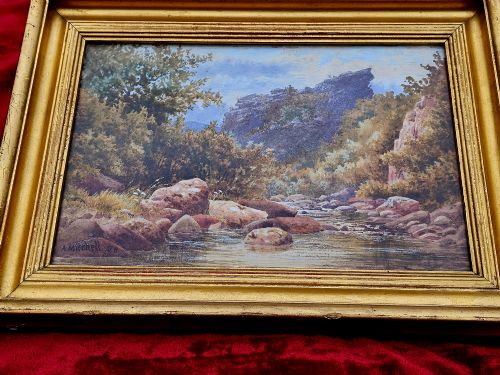
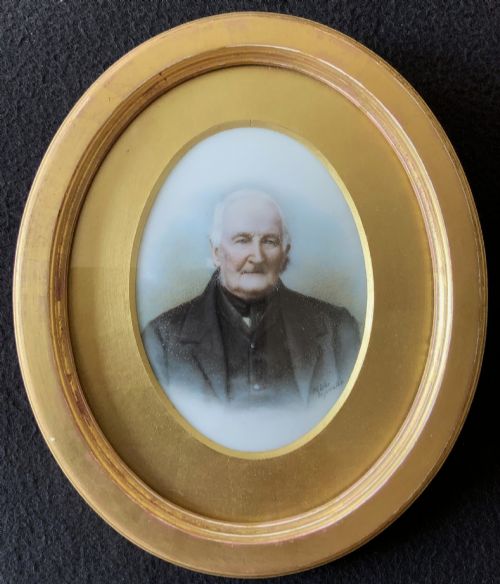
A gilded watercolour painting combines works executed on paper with framing that incorporates gold leaf or gilt wood. Buyers seeking this phrase encounter botanical studies, coastal scenes, and detailed portraits created across the nineteenth and early twentieth centuries.
English and European schools dominate the selection, accompanied by occasional American folk art and Mughal examples. Each piece relies on the interaction between the watercolour medium on paper and the protective glass and gilt frame.
Materials and construction
Artists executed these works on paper using watercolours, wash, and occasionally gouache. Frames were constructed from wood and finished with gold leaf or gilt treatment to complement the imagery.
Glazing protected the delicate pigments from atmospheric damage, while the wooden frames provided structural support and decorative emphasis. The combination of paper supports and gilt wood frames defines the physical structure of these pieces.
Gilded Watercolour Painting Retail Price Guide 2026
Typical asking prices for gilded watercolour painting among the pieces listed under this phrase on Sellingantiques today, from the lower quarter to the upper quarter. They describe what is for sale here now, not the wider market.
Several sheep, cows, and an imperial Mughal emperor share wall space with members of the British royal family.
Judging quality
The success of a watercolour relies on the precision of the brushwork and the preservation of the paper support. Fading and discolouration alter the visual balance intended by the artist.
Frame craftsmanship separates ordinary examples from finer works. Original frames with intact gilding and matching glass provide greater historical integrity than later replacements.
H Medlycott·Guido Bach·Robert Thorne Waite·Joseph H Barnes·Ernest Arthur Rowe·Frederick Tatham·Charles Henry Slater·David Cox Jnr·Thomas Bush Hardy
The Gilded Watercolour Painting Glossary
- Giltwood
- Wood that has been coated with gold leaf or a gold-coloured finish. This material forms the ornate borders surrounding the paper artworks.
- Gouache
- An opaque watercolour medium containing pigment mixed with water and a binding agent. It provides heavier coverage than standard transparent watercolour.
- Miniature painting
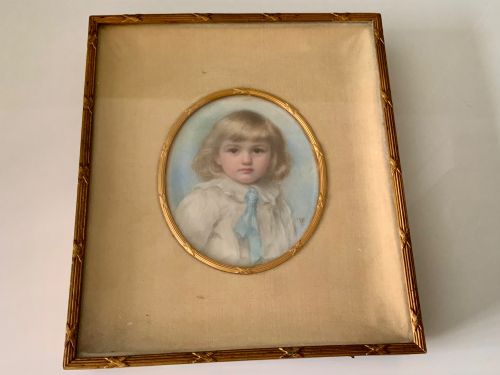
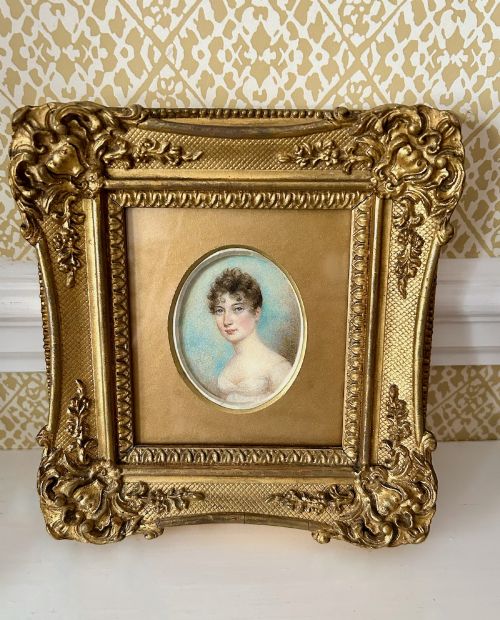
- A small-scale artwork, often a portrait executed with fine detail. These pieces frequently feature specialised mountings behind glass.
- Wash
- A thin, transparent layer of diluted watercolour paint spread evenly across the paper. It creates smooth background tones or skies in landscape compositions.
- Diptych
- A painting comprising two separate panels hinged or displayed as a pair. Artists utilised this format to present complementary subjects.
Gilded Watercolour Painting: Frequently Asked Questions
How should I hang a gilded watercolour painting?
Keep these works away from direct sunlight to prevent the watercolour pigments from fading over time. Environmental stability protects both the paper support and the gilt frame from moisture fluctuations.
Use secure picture hooks suited to the weight of the wood and glass. Professional framing backing helps seal the artwork against dust and atmospheric debris.
Are these watercolours always signed by the artist?
Signatures appear on many examples, often placed discreetly in a lower corner of the paper. Monograms or inscriptions sometimes provide clues to the creator's identity.
Unsigned works remain common, particularly among nineteenth-century school pieces and folk art portraits. Stylistic markers and period framing help contextualize these unsigned items.
What subjects appear most frequently in these paintings?
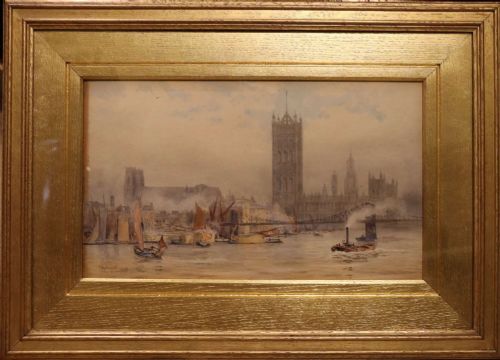
Landscapes and coastal views form a large portion of the available subjects, depicting scenes from Britain, Italy, and beyond. Architectural studies and pastoral settings also recur across the inventory.
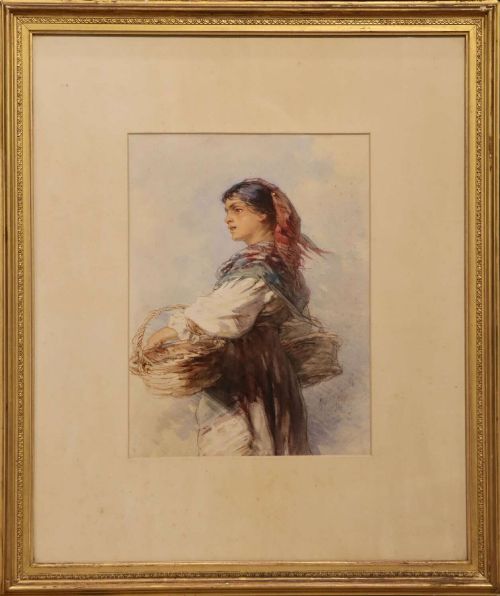
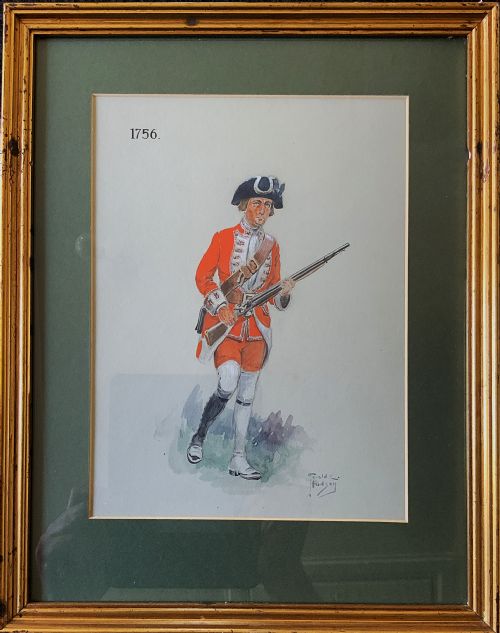
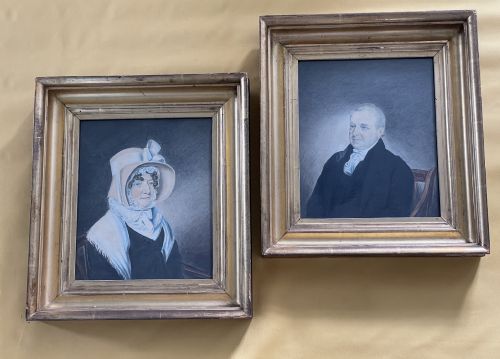
Portraiture represents another major category, ranging from intimate family miniatures to military studies. Botanical studies offer floral compositions executed with fine detail.
How can I identify the period of the frame?
Period frames exhibit construction methods and gilding techniques specific to their era of manufacture. Regency and Victorian frames often display distinct moulding patterns and corner ornaments.
Original frames show consistent signs of age matching the artwork contained within. Later replacements may feature mismatched proportions or modern fixings.