

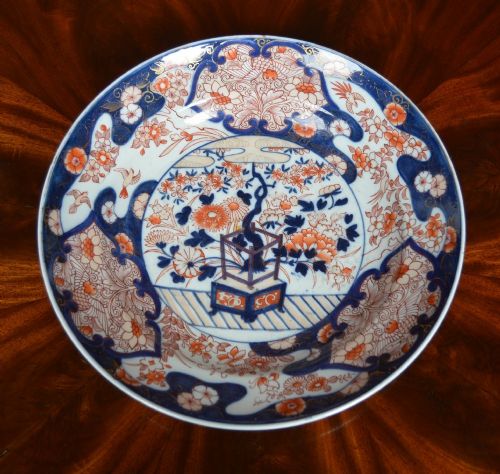
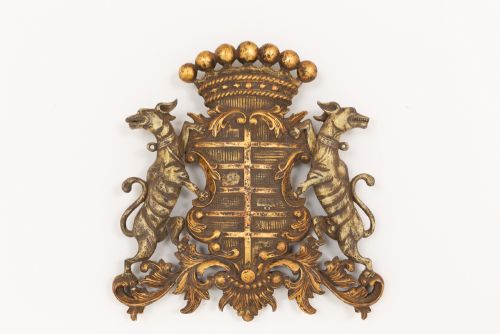
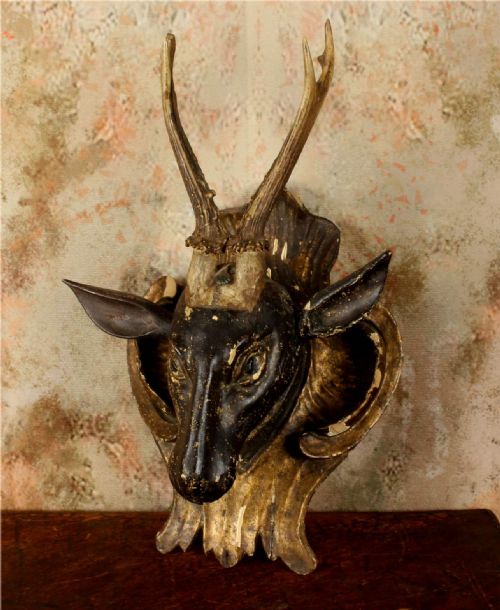
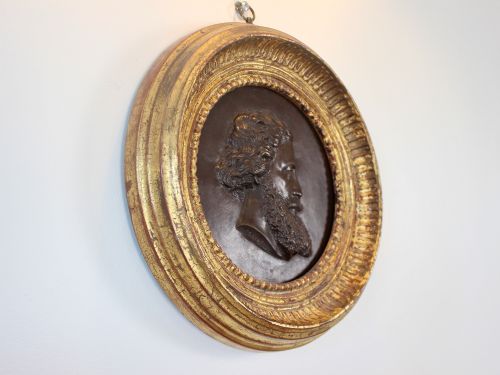


Gilded Wall Plaque
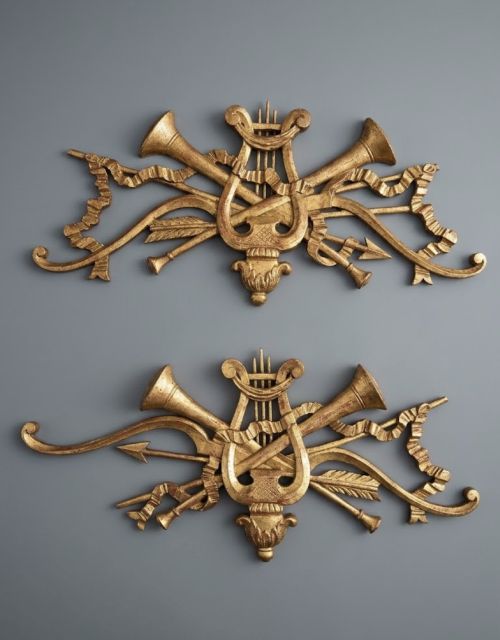
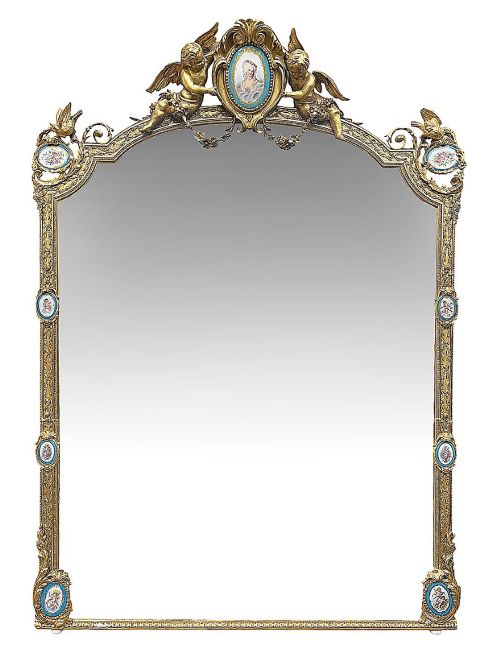
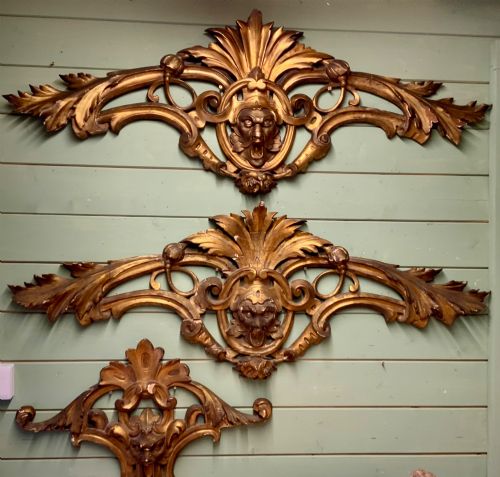
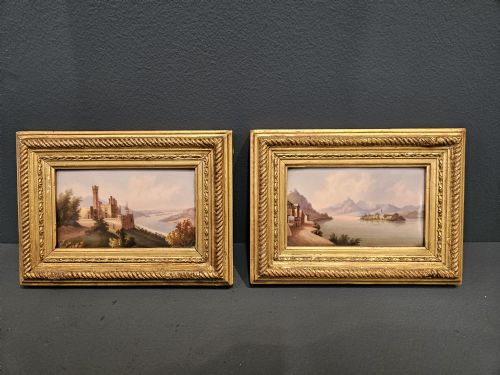
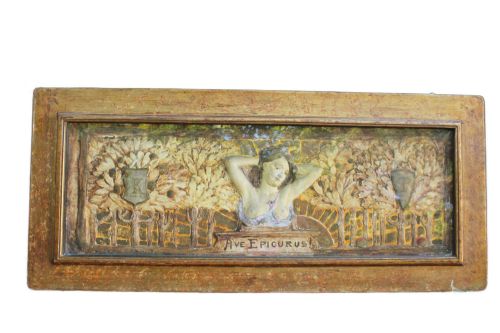
A gilded wall plaque brings reflective brilliance and intricate relief work to a room, offering rich textures of gold leaf, porcelain and carved wood.
Gilded Wall Plaque
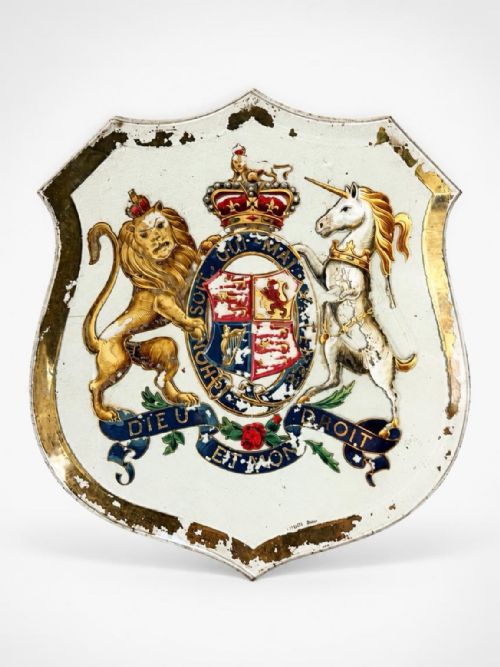
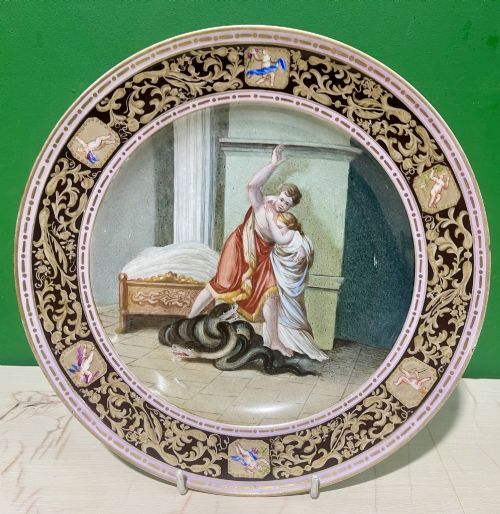
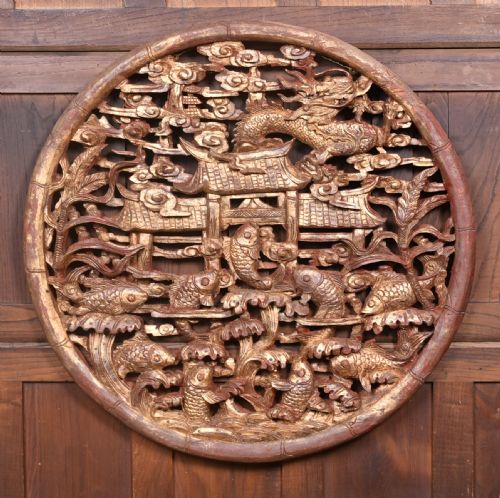
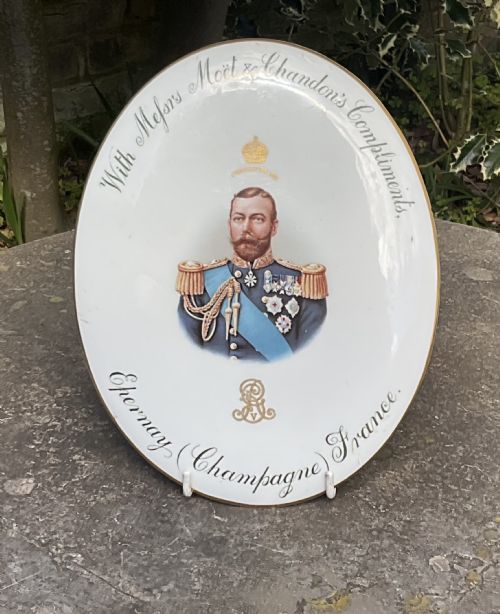
A gilded wall plaque spans diverse forms including hand painted porcelain, carved wooden panels, and heavy bronze reliefs intended for display on interior surfaces. These decorative objects draw upon historical styles such as Victorian, Neoclassical, and French Rococo, reflecting centuries of ornamental design.
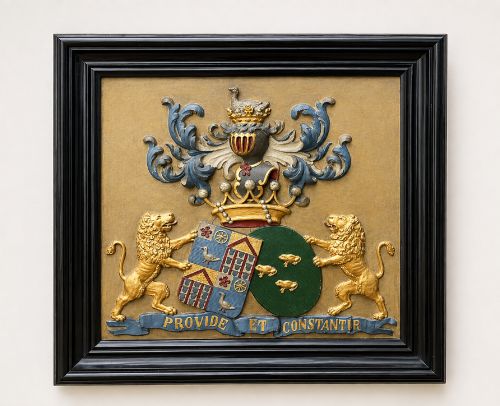
Collectors encounter pieces originating from various European and Asian traditions, including Vienna porcelain chargers, Dutch armorial carvings, and Chinese wooden panels. The selection brings together diverse materials from past centuries into a unified category of wall-mounted artistry.
How they were made
Materials like porcelain, gesso, and wood form the structural foundation of these pieces, often finished with applied gold leaf or paint. Artisans employed carving, moulding, and firing techniques to achieve detailed pictorial and sculptural surfaces.
Giltwood and bronze components rely on traditional casting and carving methods, while porcelain plaques incorporate delicate hand-painted enamel decoration fixed by kiln firing.
Gilded Wall Plaque Retail Price Guide 2026
Typical asking prices for gilded wall plaque among the pieces listed under this phrase on Sellingantiques today, from the lower quarter to the upper quarter. They describe what is for sale here now, not the wider market.
The inventory spans the 18th, 19th, and early 20th centuries, covering Victorian, Regency, and Neoclassical styles.
What varies in quality
The refinement of hand painting and the depth of surface carving separate standard examples from finer works. Master porcelain painters and skilled wood carvers achieved a level of anatomical and floral precision that elevates the visual impact of the piece.
The preservation of original gilding and the integrity of the underlying material dictate the enduring character of each plaque. Intact gold leaf and stable gesso layers indicate superior original construction and careful subsequent preservation.
Sevres·Icilio Federico Joni·Royal Vienna·Royal Worcester·KPM·Mintons
The Gilded Wall Plaque Glossary
- Giltwood
- Wood that has been coated with gold leaf or powder. This finish provides a reflective surface widely utilised in antique frames and decorative panels.
- Gesso
- A plaster mixture applied to wood surfaces as a base for painting or gilding. It creates a smooth ground that accepts fine detail work.
- Porcelain
- A ceramic material made by heating clay to high temperatures. It forms a hard, white body suitable for intricate hand-painted cabinet plates and wall plaques.
- Armorial
- Relating to heraldry and family coats of arms. These designs often appear carved or painted on historical wooden and ceramic panels.
- Enamel
- A glassy substance fused to metal or ceramic through firing. It produces vibrant, permanent colours on decorative plaques.
Gilded Wall Plaque: Frequently Asked Questions
How do I hang a heavy gilded wall plaque safely?
Heavy pieces require wall fixings anchored directly into structural studs or solid masonry to support the combined weight of wood, metal or porcelain.
Using appropriate brackets or concealed hanging wire distributed across multiple points prevents structural strain on the antique frame.
What is the difference between a cabinet plate and a wall plaque?
Cabinet plates were originally produced for display on specialised stands or within furniture rather than for permanent wall mounting. Wall plaques incorporate integrated hanging loops, frames, or flat backs designed specifically for vertical display.
Both forms utilise similar ceramic bodies and hand-painted decorative techniques.
How should I clean a antique gilded surface?
Dusting gently with a soft, dry brush removes surface particles without disturbing delicate gold leaf or aged gesso layers. Moisture and chemical cleaning solutions must be avoided to prevent permanent damage to the historic finish.
Professional conservation advice is recommended for heavily soiled pieces.
How do I identify the period of a porcelain plaque?
Backstamps, maker marks, and stylistic indicators such as Neoclassical or Victorian motifs help establish the manufacturing era. The quality of the enamel colours and the composition of the porcelain body provide further clues to dating.
Comparing known factory signatures assists in narrowing down the exact decade.