
Gilded Wall Bracket
A gilded wall bracket carries lamps, mirrors, or ornaments, bringing sculptural gilt surface and architectural projection to a room.
Gilded Wall Bracket
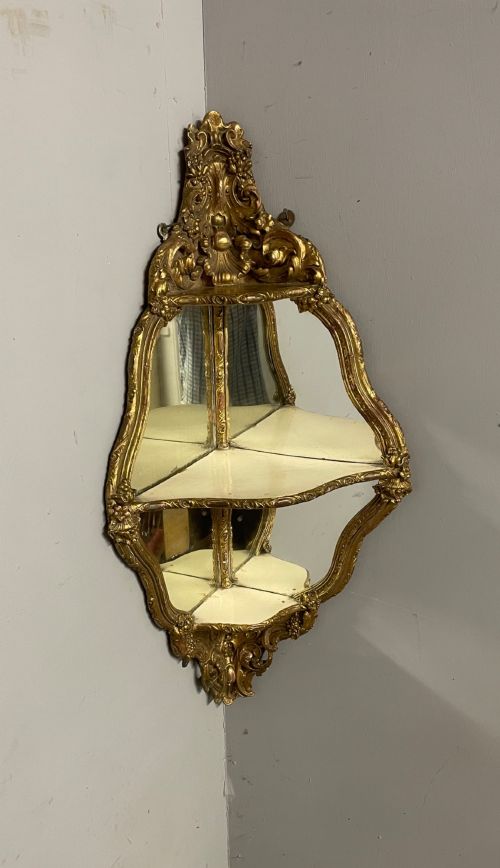
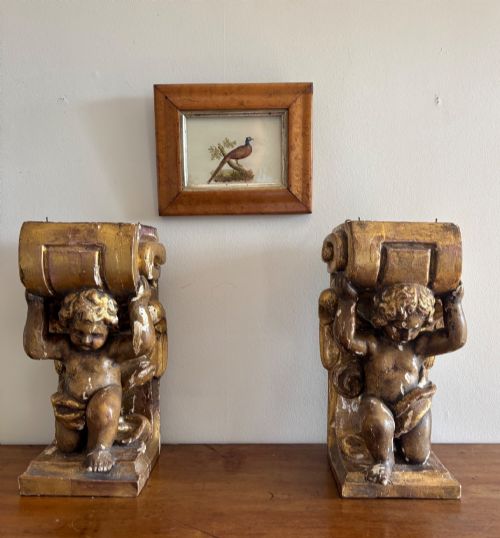
A gilded wall bracket forms a projecting architectural shelf or sconce designed to display porcelain, figures, or light fittings above eye level. The pieces available span the eighteenth century through to the mid-twentieth century, with a strong representation of nineteenth-century examples and early twentieth-century French and Italian workshop production.
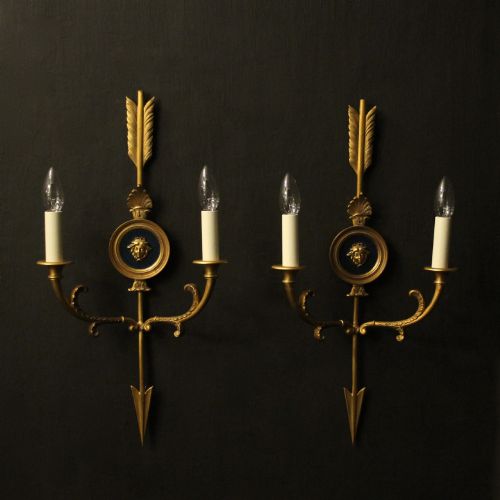
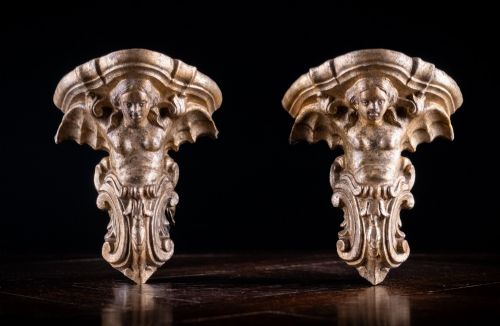
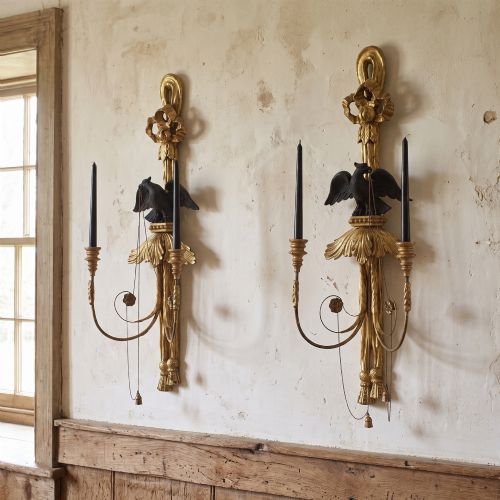
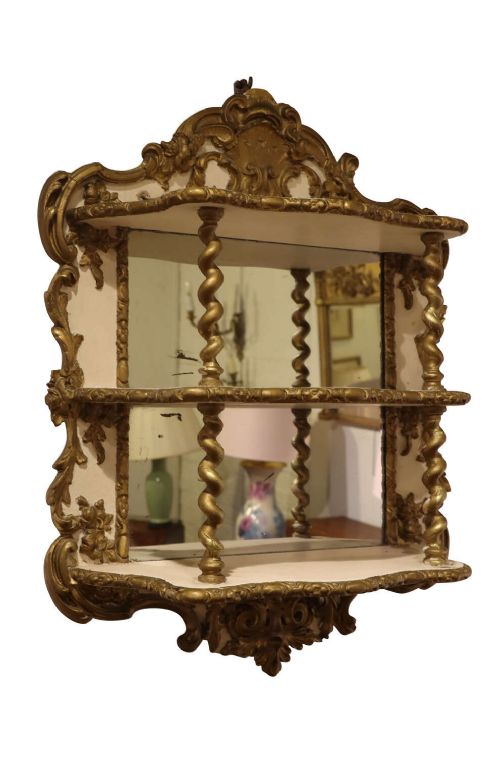
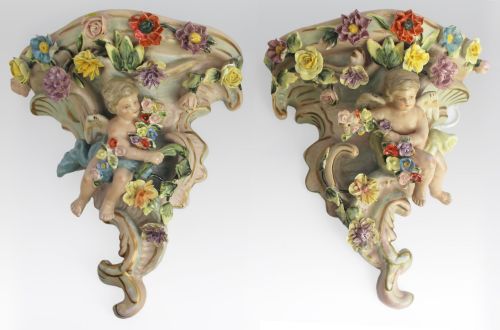
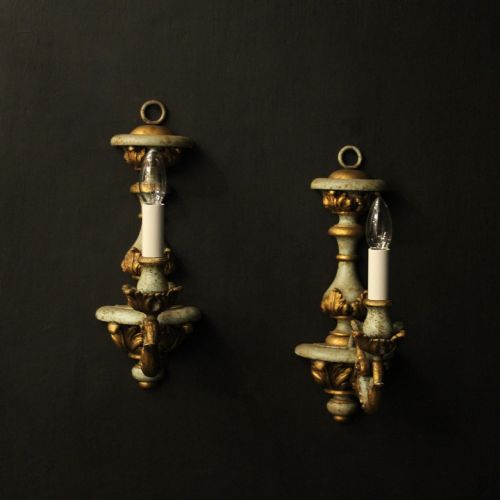
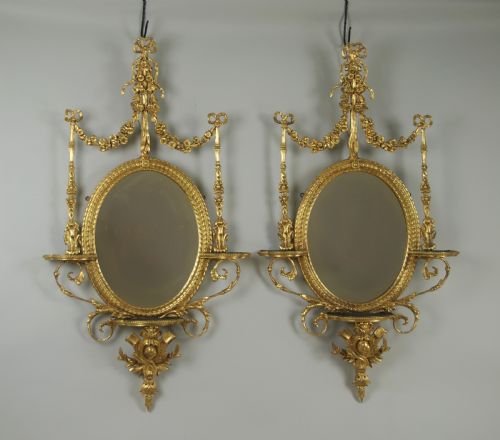
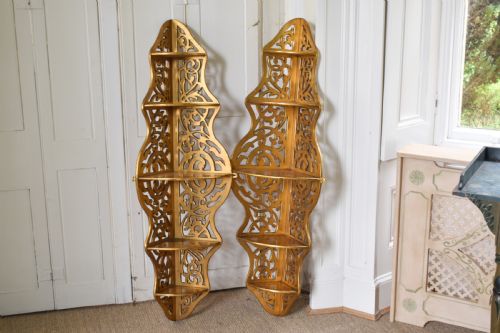
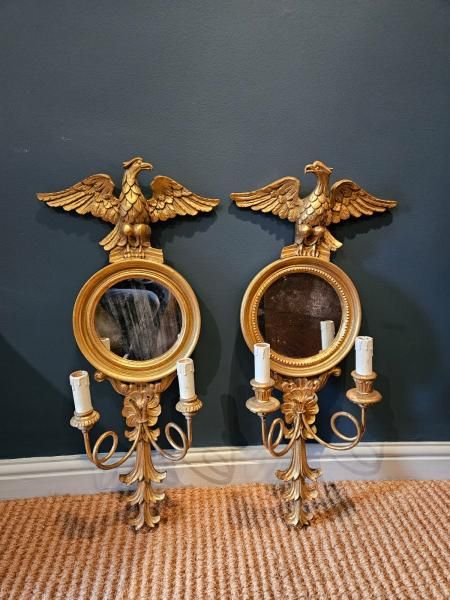
Buyers encounter single shelves, corner brackets, and paired sconces taking influence from French Rococo, Louis XVI, and Italian Neoclassical styles. Forms vary from simple carved wooden ledges to elaborate mirrored consoles and winged terracottas supporting candle arms.
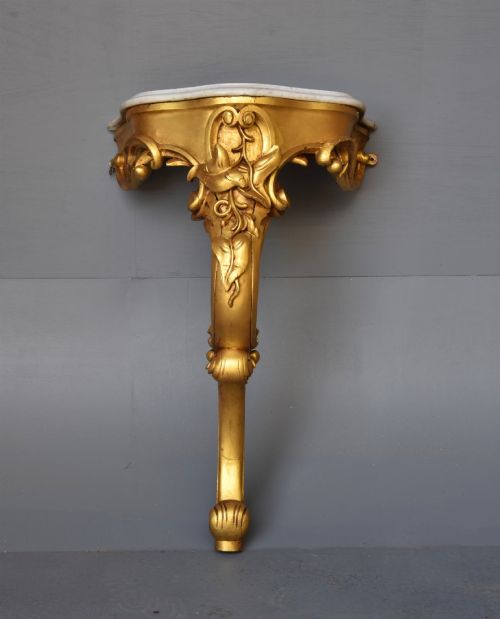
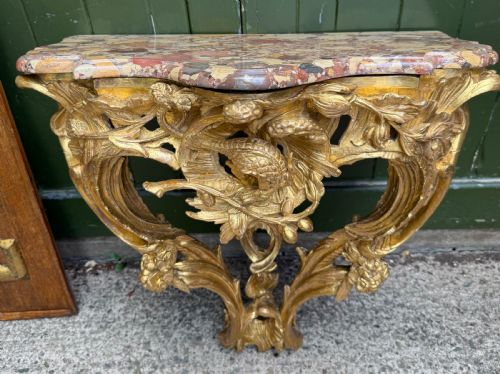
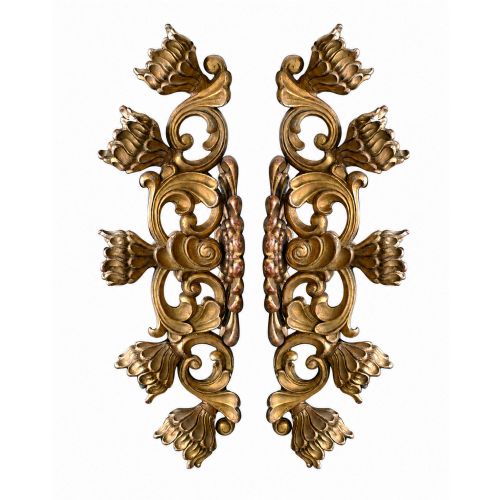
The material vocabulary centres on giltwood, gesso, carved wood, and cast bronze, frequently paired with marble tops or mirrored backs. Many items originate from French and Italian makers working in revivalist idioms across the Victorian and Edwardian decades.
Materials and construction
Carved wooden brackets rely on seasoned timber foundations shaped by hand before receiving layers of gesso to build up crisp relief detail. Giltwood and gold leaf applications require meticulous sizing and burnishing to achieve the characteristic reflective warmth seen on eighteenth and nineteenth-century pieces.
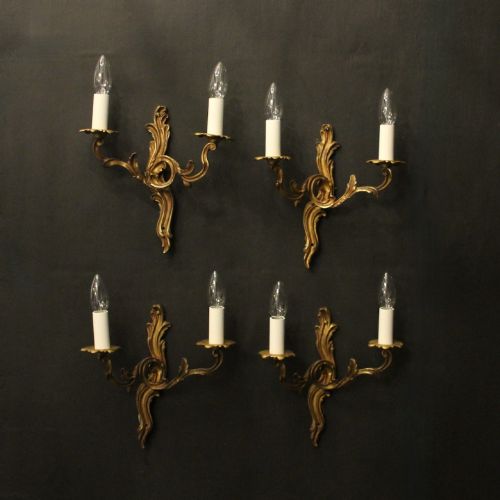
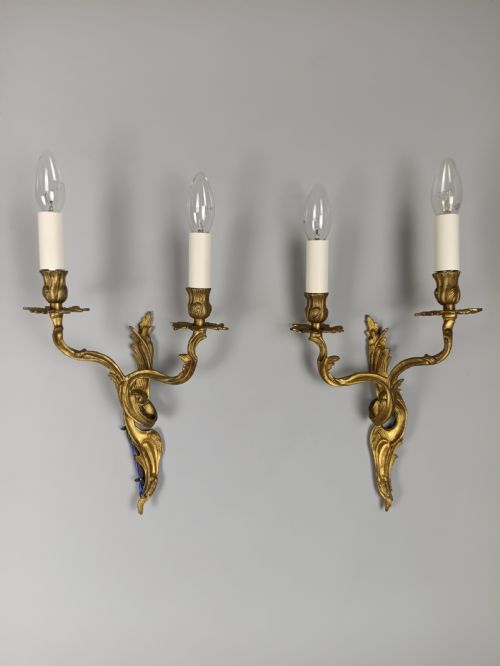
Cast metal examples utilise brass, bronze, and ormolu, often chased by hand after casting to sharpen the scrolling acanthus and floral motifs of the Rococo Revival style. Terracotta and plaster cores provide alternative sculptural bases for applied gilding on Victorian figural brackets and corbels.
Listings feature periods from the eighteenth century to the mid-twentieth century, utilising giltwood, gesso, carved wood, and gilded brass.
Evaluating the work
The depth and clarity of the hand-carved ornament distinguish finer wooden brackets from simpler moulded plaster or composite alternatives. Crisp undercut foliage and sharply defined scrollwork indicate a skilled hand at the bench rather than routine workshop production.
The integrity of the gilded surface matters greatly, with burnished gold leaf ageing gracefully through natural thinning compared to flat metallic paints. Original mounts, backplates, and structural joints retain the historical cohesion expected by discerning collectors.
The Gilded Wall Bracket Glossary
- Giltwood
- Timber carved and subsequently covered with thin sheets of gold leaf over a prepared gesso ground. This technique creates a luminous, warm metallic finish that responds well to traditional cleaning.
- Gesso
- A plaster mixture applied to carved wooden surfaces to provide a smooth, absorbent base for gilding. It allows craftsmen to model sharp decorative details before laying gold leaf.
- Ormolu
- Finely chased and gilt bronze used extensively for mounts, sconces, and decorative hardware. The process involves applying a mercury and gold amalgam to the metal base before firing.
- Girandole
- An ornamental bracket carrying multiple candle branches, frequently paired with a wall mirror. The reflective glass multiplies the candlelight within the interior space.
Gilded Wall Bracket: Frequently Asked Questions
How do I mount a heavy gilded bracket safely?
Wall brackets require secure fixing into solid masonry or direct wooden studs behind plasterboard to bear the weight of marble tops and cast bronze arms. Professional installation ensures the bracket remains level and stable under load.
Heavier items incorporating gilt bronze or marble demand appropriate wall plugs and heavy-duty screws suited to the specific wall construction of the room.
How should I clean antique giltwood surfaces?
Giltwood requires gentle dusting with a soft, dry ostrich feather brush to prevent abrasion of the delicate gold leaf layer. Moisture and chemical cleaning agents must be avoided entirely to protect the underlying gesso.
Professional conservators should handle any structural repairs or deeper cleaning to preserve the historical patina of the finish.
What distinguishes Rococo Revival from Louis XVI style?
Rococo Revival pieces showcase asymmetrical scrolls, naturalistic shell motifs, and exuberant C-scrolls derived from mid-eighteenth-century French design. The lines remain fluid and organic rather than strictly symmetrical.
Louis XVI style turns towards classical restraint, featuring straight lines, architectural symmetry, floral swags, and restrained urn or ribbon motifs.