



Gilded Standing Lamp
These gilded standing lamp options bring vertical presence and metallic warmth to a room, drawing the eye upward with carved and gilded surfaces.
Gilded Standing Lamp
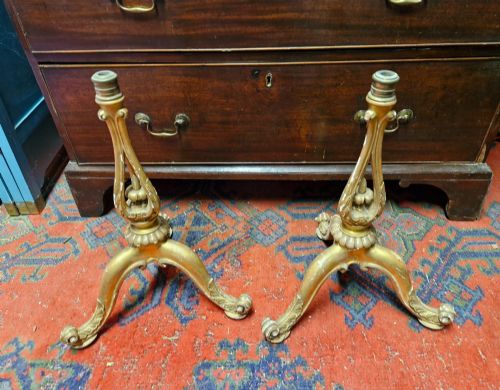
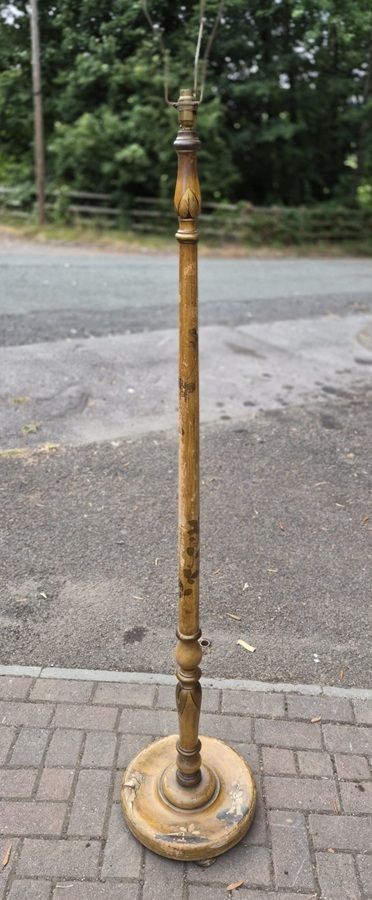
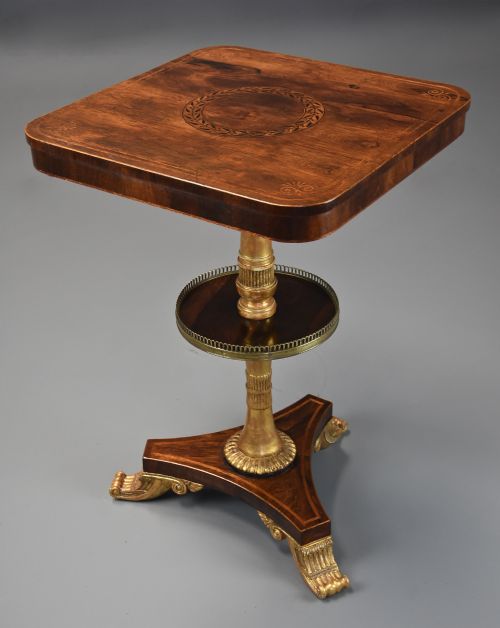
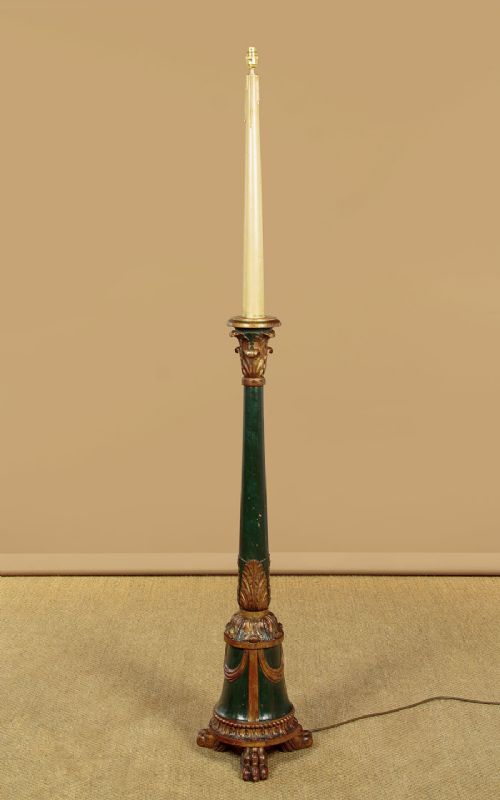
A gilded standing lamp provides elevated illumination using vertical shafts supported by tripod bases, circular pedestals, or figural columns. These pieces emerge from periods spanning the nineteenth century through the early twentieth century, incorporating revival aesthetics such as Regency, Louis XVI style, and Venetian Baroque.
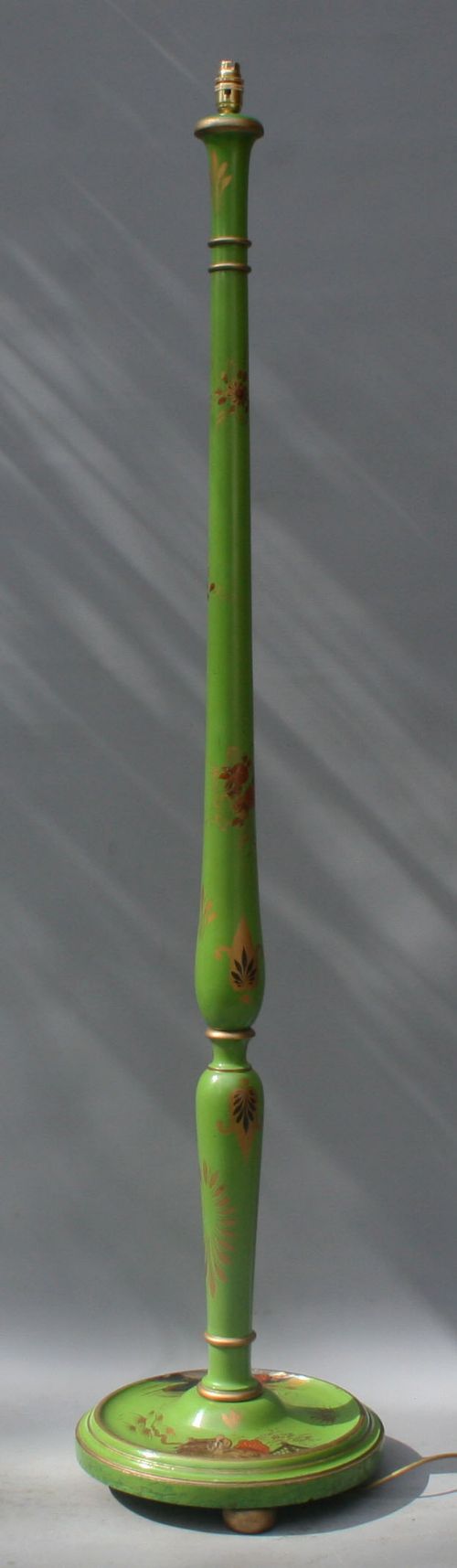
Buyers encounter floor standing lighting alongside standard lamps adapted from earlier oil or candle stands, often sharing design traits with occasional tables and torcheres. Italian, French, and English workshops dominate the origins of these items, showing influences from French Rococo and Edwardian Chinoiserie.
The selection ranges from carved giltwood standards to parcel gilt designs and lacquered finishes, reflecting both grand salon pieces and boudoir lighting. Standard lamps frequently appear alongside related side tables and lamp bases sharing similar gilded vocabularies.
Qualities That Separate the Range
The depth and handling of the carving dictate the distinction between standard production and exceptional studio pieces, particularly in Italian and French giltwood work. Crispness in the floral mouldings, figural definition, and the integrity of the original gesso and gold leaf layer separate superior examples from later or heavily restored items.
Subtlety in the application of parcel gilt and polychrome finishes determines the visual harmony of the piece, where excessive smoothing during restoration obscures hand-tooled details. The choice of secondary materials, from solid mahogany carcases to genuine marble or onyx inserts, reinforces the hierarchical division within period items.
Several Venetian figures on stands hold permanent poses, doubling as silent roommates who refuse to turn off the light.
The Gilded Standing Lamp Glossary
- Giltwood
- Timber that has been coated with gold leaf or gold dust over a prepared gesso ground. This technique creates a luminous metallic surface characteristic of decorative furniture and lighting from the eighteenth century onward.
- Gesso
- A plaster-like mixture applied to wood surfaces to provide a smooth base for gilding and painting. It allows carvers to achieve sharp relief details before the application of gold leaf.
- Torchere
- A tall ornamental stand originally designed to hold a torch or candle. In later periods, these forms were frequently adapted to carry electric lighting.
- Ormolu
- Finely chased and gilt bronze used for mounts and decorative hardware on furniture and lamps. The term derives from the French for ground gold.
- Parcel Gilt
- A finish where only specific portions of an object are gilded, leaving the underlying wood or paint exposed elsewhere. This highlights particular carved details and mouldings.
Gilded Standing Lamp: Frequently Asked Questions
What is a standard lamp?
A standard lamp is a tall floor-standing lighting fixture designed to illuminate a room from a vertical post. These pieces often feature weighted bases and decorative columns.
In historical contexts, standard lamps evolved from floor-standing candle holders and oil lamp stands into electric lighting fixtures during the late nineteenth and early twentieth centuries.
How do I identify French Rococo style?
French Rococo style displays asymmetrical scrollwork, C-scrolls, and organic plant motifs inspired by natural forms. These designs avoid strict symmetry in favour of flowing movement.
On lighting and small tables, this style appears through heavily carved floral mouldings and curving structural supports finished in giltwood.
What is Edwardian Chinoiserie?
Edwardian Chinoiserie refers to early twentieth-century British decorative arts that imitate Chinese artistic traditions. These objects typically feature black lacquered surfaces and hand-painted motifs.
Standard lamps in this style combine Asian-inspired decorative schemes with traditional European floor-standing furniture forms.
How were marble tops used on lamp tables?
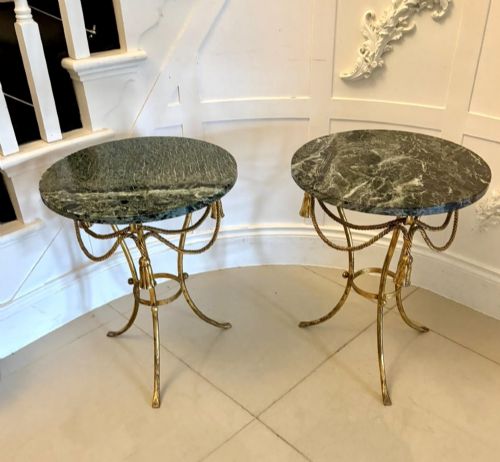
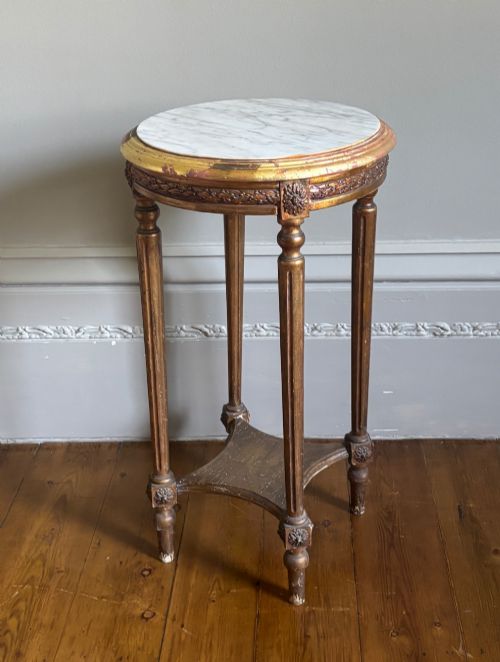
Marble and onyx tops provided durable, heat-resistant surfaces on occasional tables associated with lighting stands. These stone inserts added weight and stability to the base.
Workshop traditions from France and Italy frequently combined verde marble or onyx with gilded wood or brass frames during the nineteenth century.