

Gilded Sconce Pair
A gilded sconce pair brings warm, reflected candlelight and period elegance to any wall, making them a prized choice for traditional interiors.
Gilded Sconce Pair
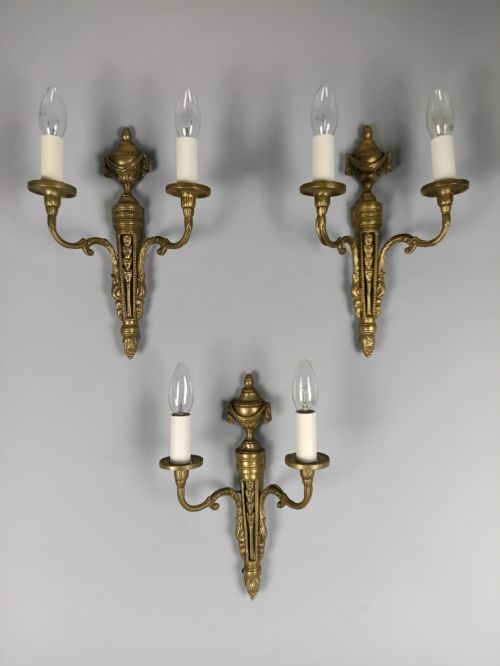
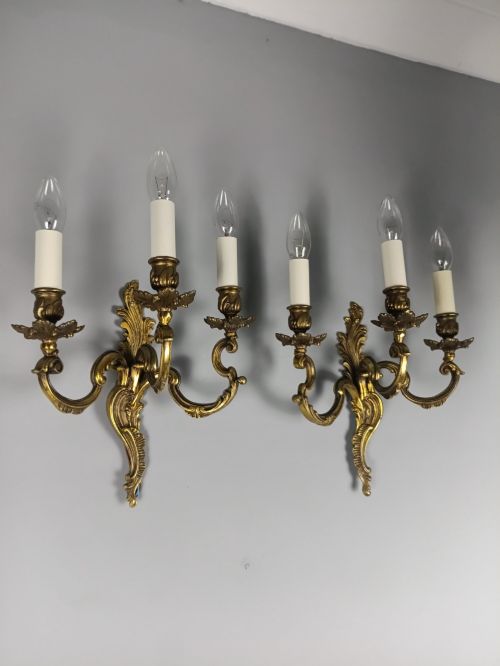
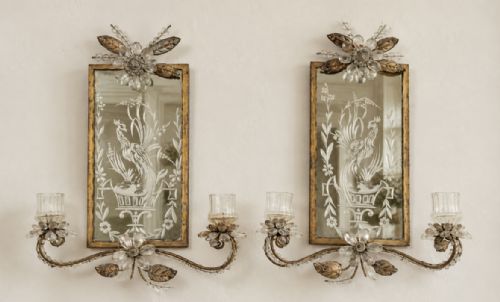
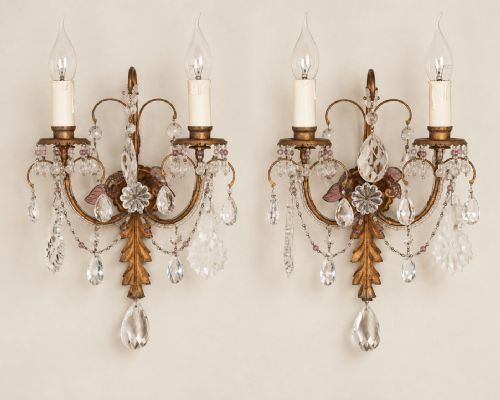
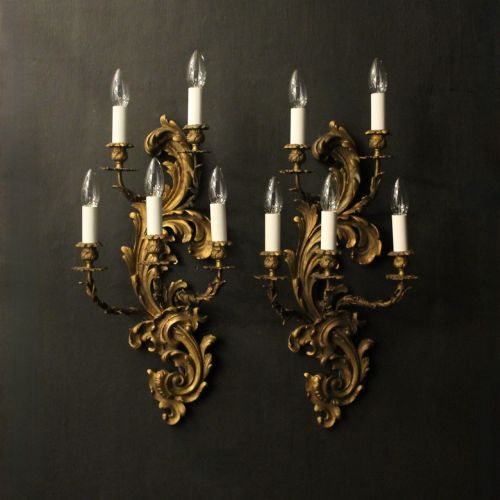
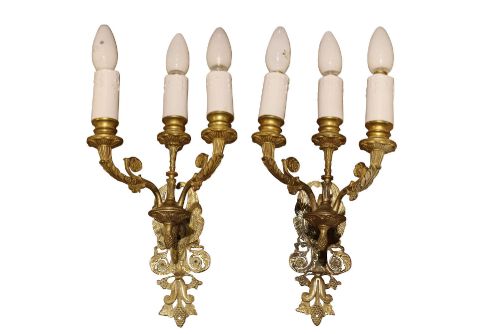
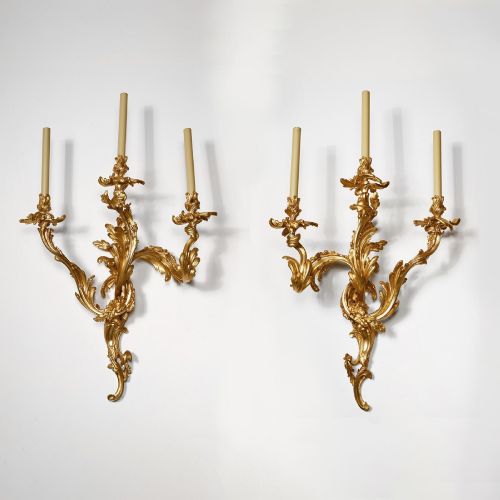
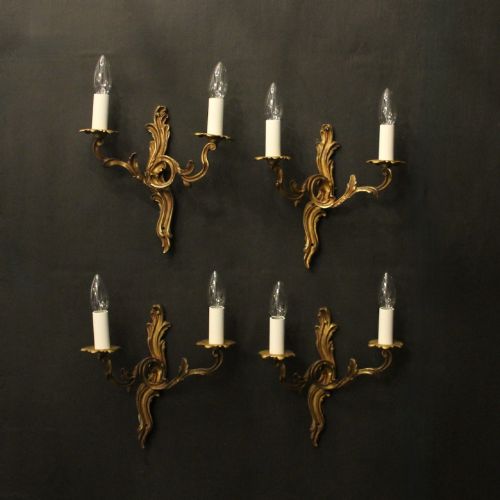
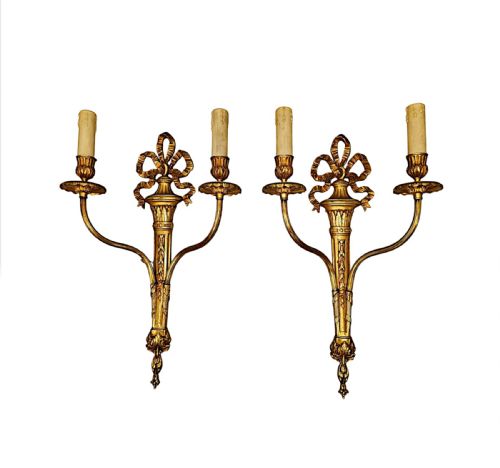
When searching for a gilded sconce pair, a buyer encounters matching pairs of wall-mounted light fittings designed to hold candles or electric bulbs. These fixtures serve as both functional illumination and decorative wall art, often taking the form of twin-arm, triple-arm, or single-arm brackets.
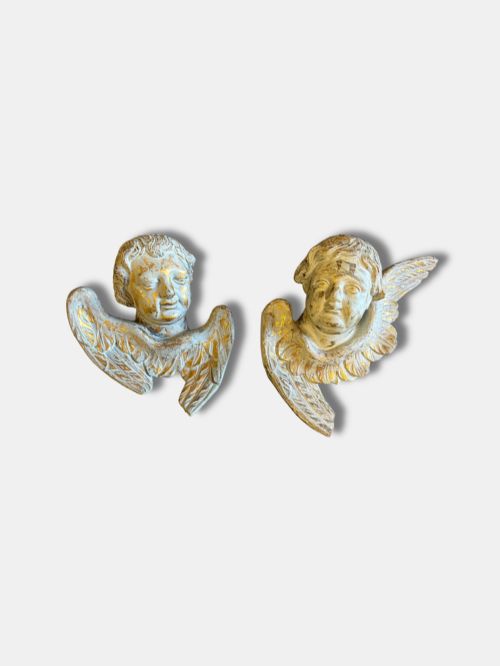
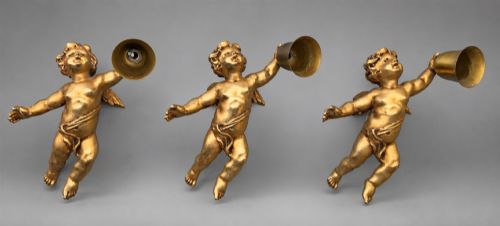
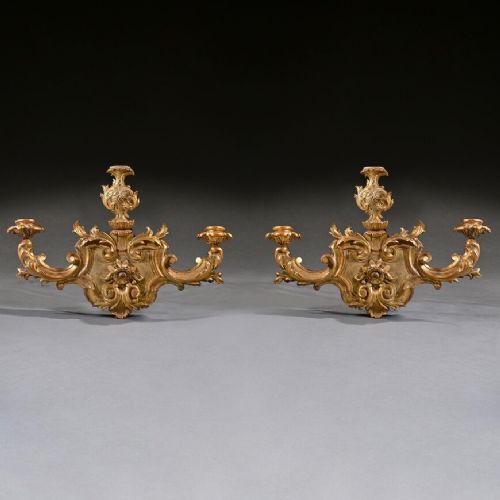
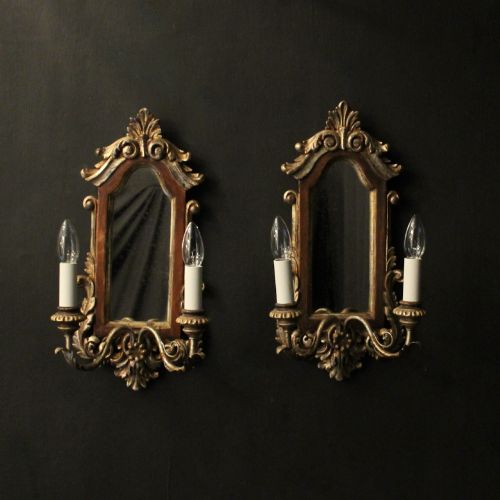
The selections span various origins and eras, with French examples from the 1920s and 1930s appearing frequently alongside 18th-century Venetian giltwood pieces and 19th-century designs. Forms range from simple ribbon motifs to elaborate Rococo Revival creations featuring cherubs, putti, and scrolling foliage.
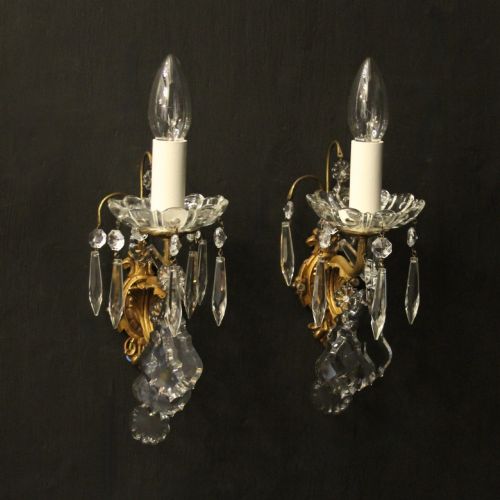
Many items incorporate reflective surfaces such as girandole mirrors or crystal drops to maximise the spread of light within a room. Buyers also find specialised brackets, half-lanterns, and wall appliques that reflect specific regional tastes like Italian Florentine carving or French chateau styling.
Materials and construction methods
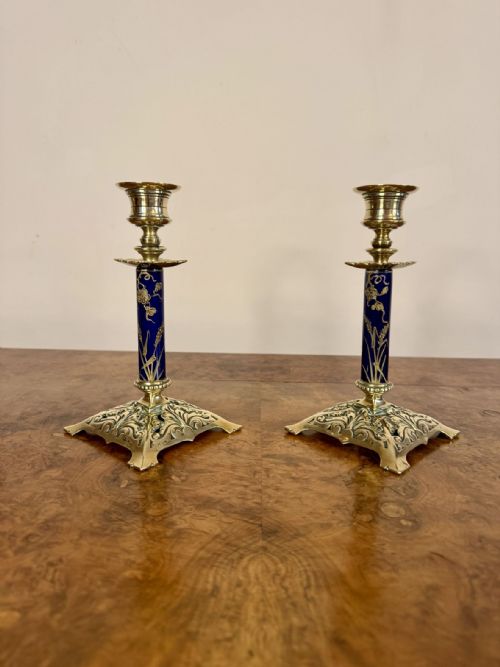
The construction of these pieces relies heavily on cast metals such as bronze, brass, and ormolu, which are frequently gilded to achieve a brilliant metallic sheen. Artisans also utilised timber for hand-carved giltwood items, applying gesso layers to prepare the wooden surfaces for fine leaf gilding.
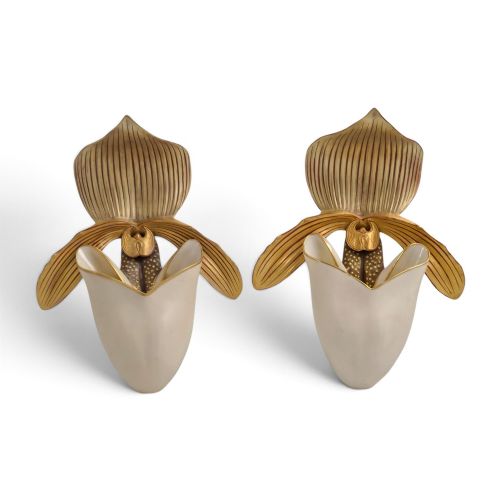
Decorative details often include applied porcelain elements, glass components, and crystal drops that catch and refract the illumination. Metal components are cast and chased with intricate floral and scroll patterns, reflecting the prevalent Neoclassical and Rococo Revival aesthetic movements of their respective periods.
Gilded Sconce Pair Retail Price Guide 2026
Typical asking prices for gilded sconce pair among the pieces listed under this phrase on Sellingantiques today, from the lower quarter to the upper quarter. They describe what is for sale here now, not the wider market.
Listings feature periods spanning from the 18th Century through the Victorian era up to the 1930s.
Distinctions in craftsmanship
The application of the gilding itself creates a division, with genuine gold leaf or high-grade ormolu ageing gracefully compared to flat, uniform modern paints or degraded finishes. The weight and structural rigidity of the backplates and arms also indicate the original standard of manufacture.
The Gilded Sconce Pair Glossary
- Giltwood
- Timber that has been coated with a thin layer of gold leaf over a prepared gesso ground. This technique creates a rich, warm metallic surface popular in 18th- and 19th-century frame and sconce production.
- Ormolu
- Finely chased and gilt bronze used extensively in French decorative arts. The term derives from the French for ground gold, describing the mercury gilding process historically utilised.
- Girandole
- A branched wall light or sconce, frequently incorporating a mirror backplate to multiply the candle illumination. Venetian and Florentine makers produced notable examples of this form.
- Putti
- Depictions of chubby, winged male infants, often styled as cherubs in Rococo Revival lighting designs. They frequently appear supporting the candle arms or clambering among scrolling foliage.
- Appliqué
- A decorative wall-mounted light fixture or sconce designed to fit flat against the surface. The term is commonly used interchangeably with wall lights in French pieces.
Gilded Sconce Pair: Frequently Asked Questions
How were these wall lights used?
These fixtures were traditionally mounted in pairs flanking mirrors, fireplaces, or doorways to provide ambient illumination in reception rooms and hallways.
The reflective properties of the gilt surfaces and attached mirrors helped to bounce candle flames around darker spaces before the advent of electricity.
How do I date an antique sconce?
Dating relies on examining the casting techniques, fastening screws, and stylistic markers such as the asymmetry of Rococo Revival or the strict symmetry of Neoclassical design.
Materials like hand-carved giltwood often point to 18th-century or earlier origins, whereas mass-produced brass fittings frequently align with the 1920s and 1930s.
Can these sconces be wired for electricity?
Most antique metal and wood wall lights can be professionally adapted for modern electrical wiring without compromising the outer decorative appearance.
Installers typically run discreet wiring through the existing hollow arms or backplates to preserve the historical fabric of the piece.
What is the difference between brass and ormolu?
Ormolu consists of cast bronze that has been gilded, possessing a deep, specific lustre associated with high-end French decorative arts.
Brass is a harder alloy of copper and zinc that is generally brighter in tone and was often utilised for sturdier, everyday utility lighting.