




Gilded Pot Pourri Vase
A gilded pot pourri vase brings together delicate ceramic forms and rich metallic highlights, offering both decorative presence and traditional fragrance.
Gilded Pot Pourri Vase
A gilded pot pourri vase serves as an ornamental vessel designed to hold dried aromatic plant materials while adding a decorative focal point to a room. When searching for a gilded pot pourri vase, buyers encounter various forms including jars, urns, and pedestal vases with pierced covers.
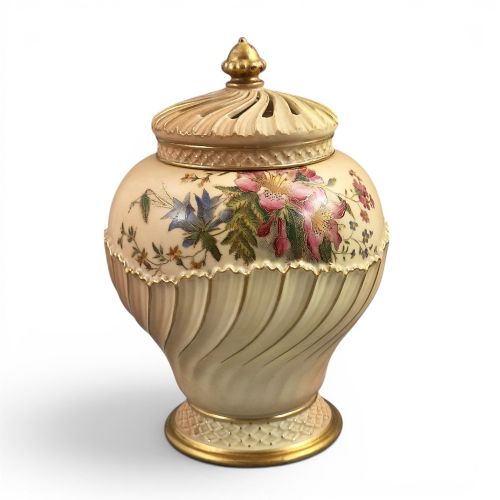
The pieces on this page span the Edwardian period through to the mid twentieth century, featuring styles such as traditional English porcelain. Most examples take the form of covered jars and urns designed to release scent through perforated lids.
How they were made
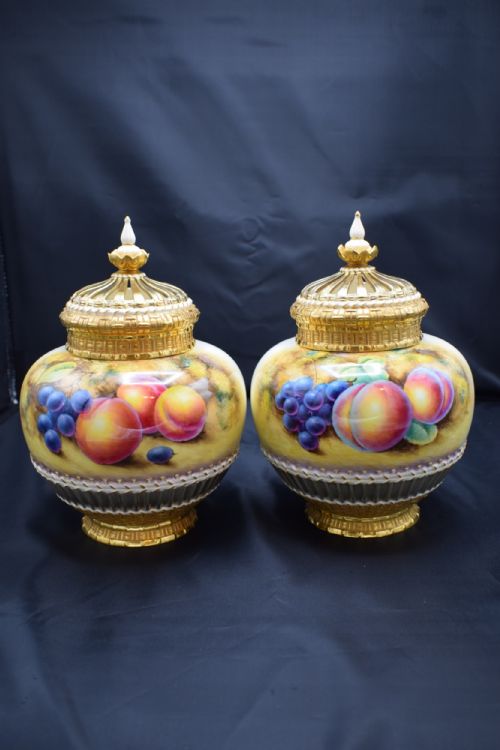
These vessels utilise porcelain, bone china, and ceramic as their primary body materials, shaped into ovoid jars, vases, and urns. Artisans applied gold leaf, gilt, and gilding to accentuate rims, handles, and pierced covers.
Many surfaces feature hand-painted decoration including fruit, birds, and floral motifs finished with enamel details. Pierced crown tops and inner covers were constructed to allow the release of fragrance while containing the dried pot pourri within.
Periods represented range from Edwardian blush ivory pieces to mid twentieth-century painted fruit designs.
What varies in quality
Quality in these vessels rests upon the skill of the painting and the crispness of the porcelain moulding. Hand-painted fruit or avian scenes executed by named artists elevate a piece significantly above standard floral decoration.
The preservation of the original gilding and the intact nature of the pierced crown covers dictate the desirability of the object. Weight, proportion, and the complexity of the ceramic form also separate standard production items from finer studio examples.
Royal Worcester
The Gilded Pot Pourri Vase Glossary
- Blush ivory
- A soft, creamy ceramic ground pioneered by late nineteenth and early twentieth century porcelain manufacturers to mimic the warmth of human skin. It often serves as the canvas for delicate floral painting and gilt highlights.
- Crown cover
- A pierced or perforated lid designed to fit the top of a pot pourri jar. This allows scented air to circulate from the vessel while keeping the dried contents contained inside.
- Gilding
- The application of gold leaf or gold paint to ceramic surfaces to create metallic highlights. It is frequently applied to rims, handles, and decorative borders.
- Pot pourri
- A mixture of dried petals and spices placed in a decorative container to perfume a room. The practice dates back centuries and required specialised vessels with ventilated lids.
- Ovoid
- An egg-shaped ceramic form frequently utilised for traditional pot pourri jars and vases. This curved profile provides ample interior volume for botanical mixtures.
Gilded Pot Pourri Vase: Frequently Asked Questions
How do you use a vintage pot pourri vase?
Place dried aromatic plant materials, petals, and spices inside the ceramic body and secure the pierced cover on top. The perforations in the lid allow the natural fragrance to diffuse gradually into the surrounding room.
Ensure the interior remains dry to protect the porcelain and the original gilding from moisture damage over time.
How do I clean a gilded ceramic vase?
Dust the surface gently with a soft, dry cloth to remove surface particles without disturbing the delicate metallic finish. Avoid using water, abrasive cloths, or chemical cleaners, as these can easily damage the delicate gilding and hand-painted enamel details.
Take particular care around pierced crown covers and painted motifs, which require gentle handling during routine maintenance.
How do I identify Edwardian porcelain?
Edwardian pieces often feature softer blush ivory grounds, naturalistic floral painting, and refined gilt accents typical of early twentieth-century English ceramic production. Makers' marks on the underside can provide precise production dates and factory attribution.
Compare the style of the painted decoration and the weight of the ceramic body with documented examples from the same period to confirm authenticity.
Are these vases suitable for fresh flowers?
Most pot pourri vases and jars are designed specifically to hold dry botanical mixtures rather than water and fresh stems. Using them for fresh flowers can introduce moisture to unglazed interior areas or compromise older ceramic bodies.
Stick to dry aromatic fillings to preserve the structural integrity and historical character of the vessel.