




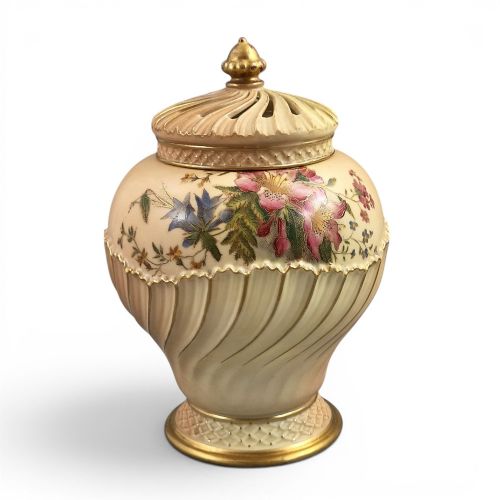
Gilded Porcelain Pot
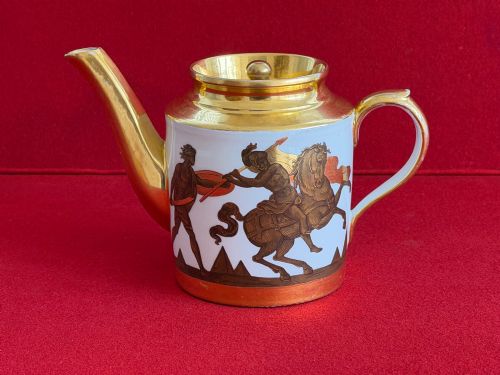
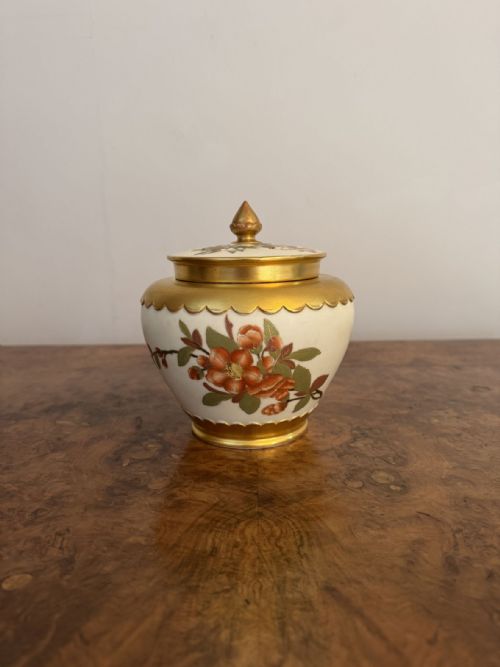
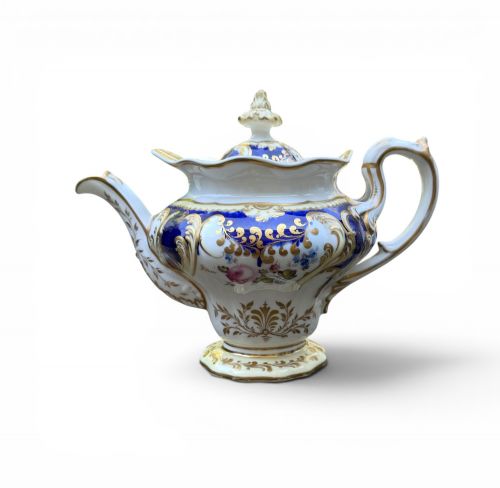
A gilded porcelain pot brings together lustrous metallic application and refined ceramic forms, offering a decorative vessel for tea, sugar, or aromatics.
Gilded Porcelain Pot
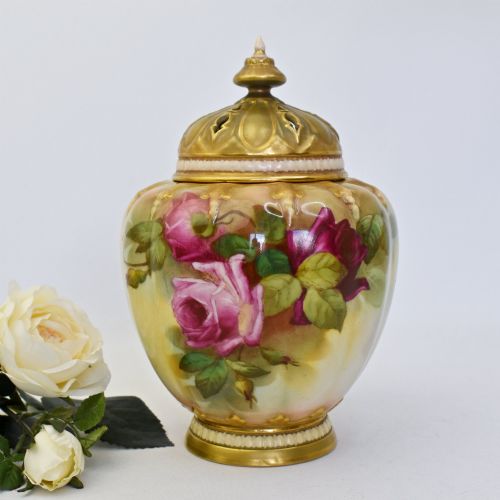
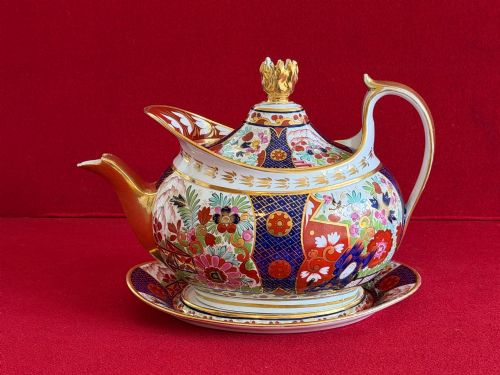
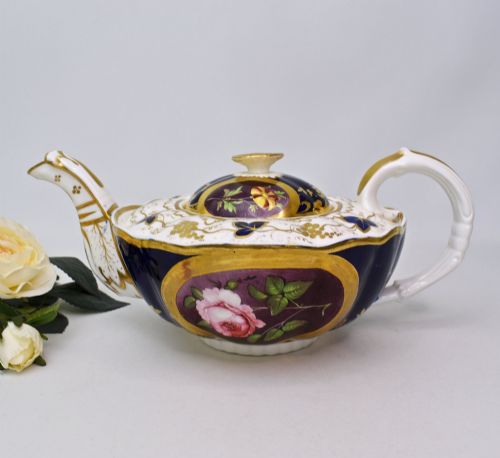
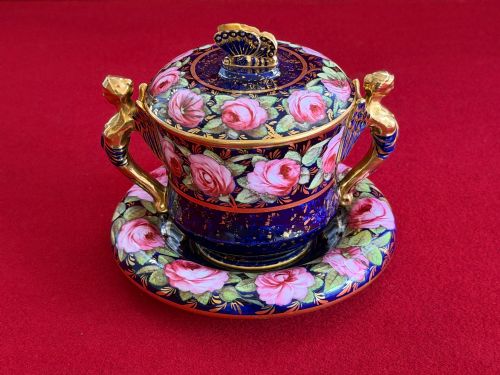
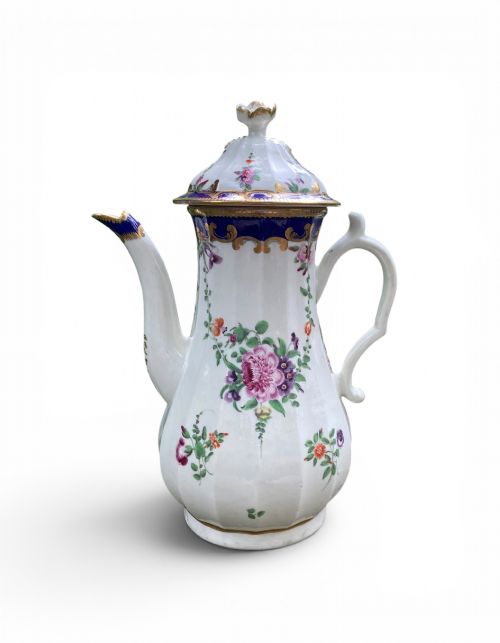
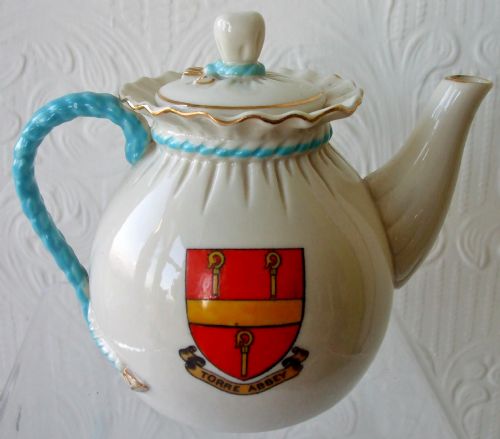
A buyer seeking a gilded porcelain pot encounters vessels spanning the eighteenth century to the mid-twentieth century, with notable representation from Georgian and Victorian makers. The selection encompasses functional and decorative forms, including teapots, coffee pots, sugar bowls, chocolate cups, and lidded pot-pourri jars.
English factories such as Worcester, Spode, and Coalport provide numerous examples from the Georgian and Regency eras, alongside later output from Royal Worcester. Continental and Japanese productions, including Satsuma and Imari pieces, extend the range into diverse aesthetic traditions.
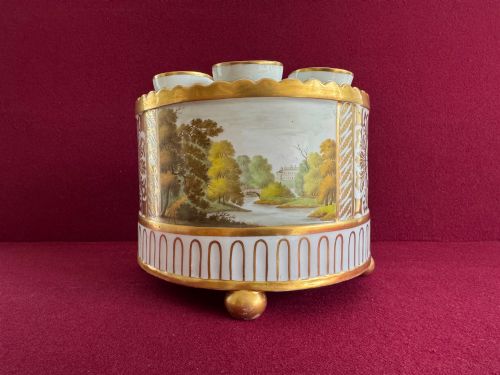
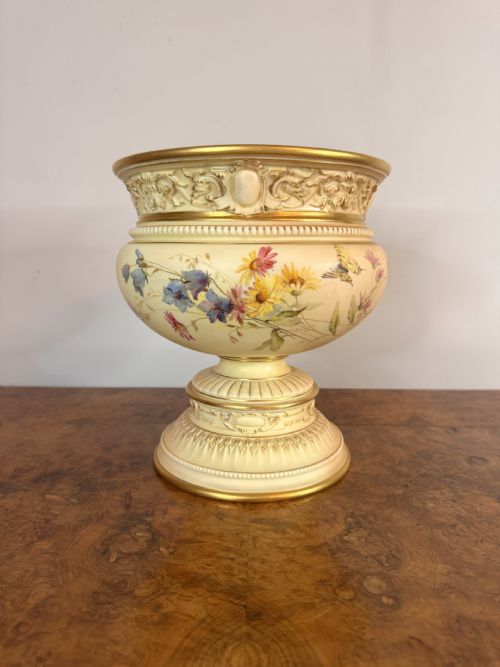
The objects take various shapes, from small lidded boxes and pomanders to large jardinières and cache pots. Each vessel displays the characteristic union of ceramic bodies with gold leaf, gilt detailing, or enamel work.
Assessing quality in ceramic and metal
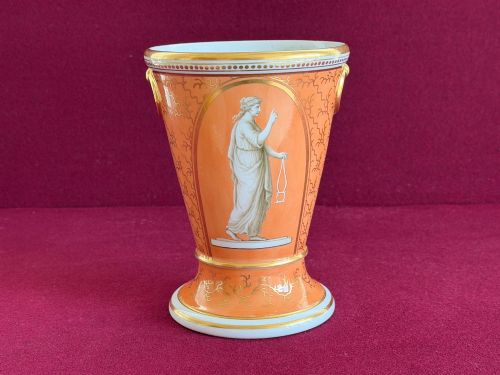
The standard of a gilded porcelain pot rests upon the precision of the hand-painting and the crispness of the porcelain moulding. Finely executed botanical or figural panels by named artists indicate superior studio work compared to standard transfer-printed or plain gilded borders.
The integration of the gilding with the underlying ceramic glaze demonstrates the skill of the decorator and the factory. Well-preserved metallic highlights that retain their original burnish and depth distinguish the finer examples from heavily worn pieces.
Gilded Porcelain Pot Retail Price Guide 2026
Typical asking prices for gilded porcelain pot among the pieces listed under this phrase on Sellingantiques today, from the lower quarter to the upper quarter. They describe what is for sale here now, not the wider market.
Several pot-pourri jars feature pierced covers designed specifically to let out the scent of dried rose petals.
John Rose Coalport·Flight and Barr·Royal Worcester·W.H. Goss·Royal Doulton
The Gilded Porcelain Pot Glossary
- Gilding
- The application of gold leaf or powdered gold to the surface of porcelain. This technique creates reflective metallic highlights on rims, handles, and painted panels.
- Sucrier
- A small covered sugar bowl designed for tea service use. These vessels frequently feature matching covers and elaborate gilt handles.
- Jardinière
- A large decorative pot intended to hold plants or flowers. They appear in porcelain and earthenware with painted and gilded surfaces.
- Pot-pourri
- A jar or vase with a pierced cover designed to diffuse dried scents. These vessels often incorporate elaborate hand-painted decoration.
- Imari
- A style of Japanese porcelain decorated in underglaze blue, iron red, and gold. Pieces from this tradition often feature dense patterns and samurai motifs.
Gilded Porcelain Pot: Frequently Asked Questions
What is a gilded porcelain pot?
A gilded porcelain pot is a ceramic vessel embellished with gold leaf or metallic gilt, encompassing items such as teapots, sugar bowls, and pot-pourri jars.
These pieces range from small Georgian tablewares to large Victorian jardinières, combining functional utility with decorative metalwork.
How were these pots used?
Many examples served practical functions in dining and tea service, holding tea, coffee, chocolate, or sugar.
Other forms, such as pot-pourri jars and cache pots, were designed specifically to hold aromatics or house plants within domestic interiors.
How do I identify the period?
Dating relies upon factory marks, stylistic indicators such as Regency or Art Deco forms, and the specific composition of the ceramic body.
Examinations of the painting style and gilding techniques also help place a vessel within Georgian, Victorian, or later twentieth-century eras.