
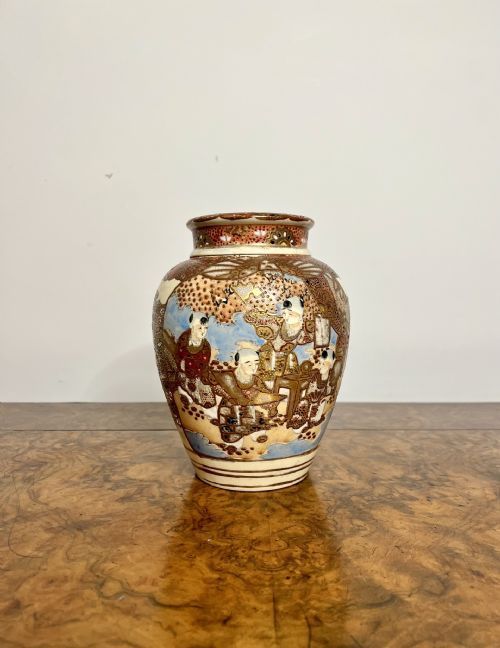
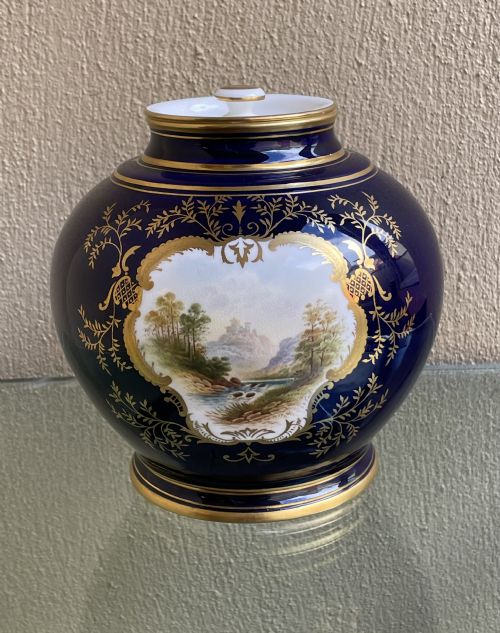


Gilded Porcelain Ginger Jars
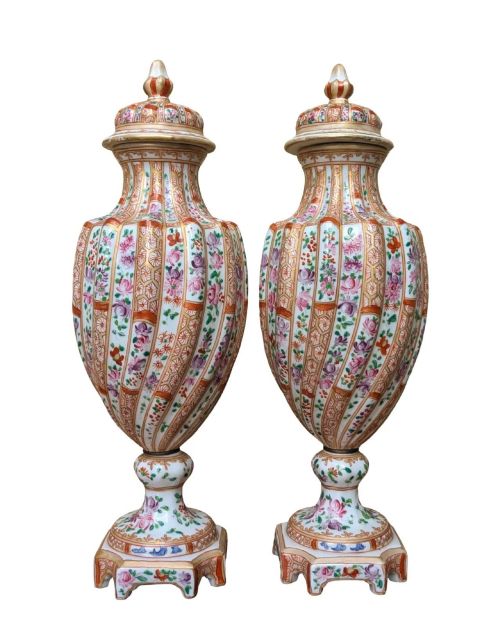
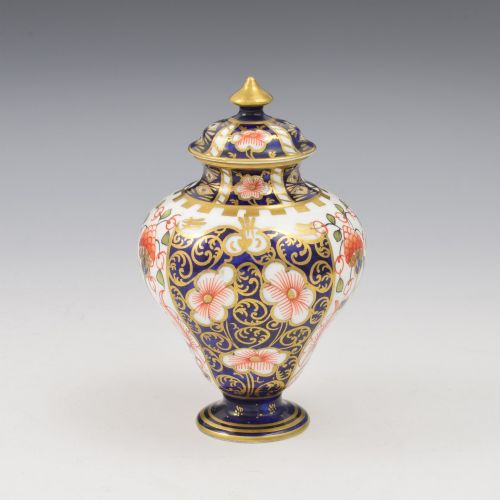
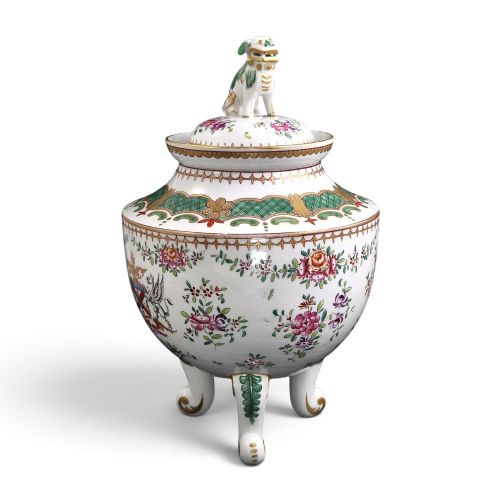
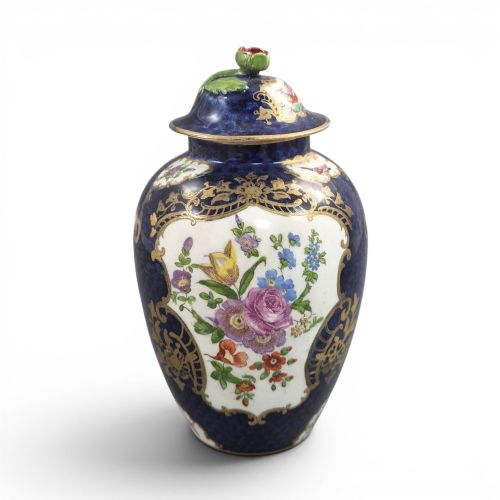
These gilded porcelain ginger jars bring together nineteenth-century ceramic forms, hand-painted details and gold leaf finish.
Gilded Porcelain Ginger Jars
When you search for gilded porcelain ginger jars, you encounter covered vessels produced across the nineteenth and twentieth centuries in European and Japanese workshops. The selection on this page centres on ginger jars, lidded vases and tea caddies shaped from ceramic, porcelain and earthenware.
Makers in Europe and Japan adopted traditional forms, applying enamel paint and gold leaf over porcelain bodies. Examples range from small miniature pieces to large decorative jars intended for display.
The styles span Japanese Imari, Satsuma, Chinoiserie and Victorian manufacturing periods. Many incorporate covers, providing complete vessels suited for decorative placement on tables and sideboards.
How They Were Made
Potters shaped porcelain, earthenware and ceramic bodies before applying detailed enamel pigments by hand. Artisans incorporated gold leaf and gilding to accentuate patterns, borders and figurative motifs across the surface.
Selected pieces feature supplementary materials such as wood mounts, fabric elements or ormolu fittings. Firing techniques varied between European factories and Asian kilns, determining the final glaze and ceramic density.
Several artists signed their painted fruit and landscape jars, ensuring individual painters are remembered alongside the historic factories.
What Varies in Quality
Quality rests in the precision of the hand-painted enamel work and the crispness of the gilding. Finer pieces demonstrate meticulous brushwork on complex scenes, whereas simpler examples rely on standard transfer prints.
The integrity of the matching cover heavily influences the standing of a jar. Intact original lids that fit securely without replacement parts elevate the piece above those paired with later or mismatched covers.
Royal Crown Derby·Samson Paris·Booths Silicon China·Coalport·Tokyo Taizan·Royal Vienna·Wolfsohn Dresden·Royal Winton·Royal Worcester·Carlton Ware
The Gilded Porcelain Ginger Jars Glossary
- Imari
- A traditional style of Japanese porcelain decorated in underglaze blue, iron red, and gold. It originated in the town of Arita and heavily influenced European manufactories.
- Satsuma
- A type of Japanese pottery with a pale, ivory-coloured, crackle glaze. It is typically decorated with intricate enamel patterns and heavy gilding.
- Chinoiserie
- A European artistic style reflecting Chinese motifs and techniques. Artisans applied these designs to porcelain, furniture and textiles throughout the eighteenth and nineteenth centuries.
- Ormolu
- Gilded bronze mounts applied to ceramics and furniture. French makers frequently utilised these metal fittings to elevate decorative vases.
- Enamel
- Opaque or translucent glass fused to a ceramic or metal surface by firing. It provides the vibrant colours seen on painted porcelain ginger jars.
Gilded Porcelain Ginger Jars: Frequently Asked Questions
What were ginger jars originally used for?
Merchants in China initially used these robust ceramic vessels to transport spices, oils and ginger across trade routes. The wide mouths and fitted lids kept contents secure during transit.
Over time, European households adopted the emptied jars for interior decoration. They transitioned from utilitarian storage containers to ornamental mantelpiece and sideboard displays.
How do I identify Japanese Satsuma ware?
Satsuma ceramics are recognised by their characteristic creamy earthenware body covered in a fine network of crackled glaze. Artisans decorated these surfaces with detailed polychrome enamels and raised gold leaf.
Pieces often feature traditional Japanese figures, landscapes or floral motifs. Many examples carry painted artist or workshop signatures on the underside.
Are these jars waterproof?
Most antique porcelain and ceramic ginger jars hold water successfully due to their glazed interiors. However, older earthenware bodies can sometimes be porous.
It is advisable to check the interior glaze before using them as flower vases. Using a small internal container protects the historic ceramic from moisture damage.
How do I date a lidded ceramic jar?
Dating relies on examining the factory marks, glaze characteristics and artistic style. Base stamps, pattern numbers and painted signatures often point to specific manufacturing eras.
Comparing the painting technique and gold application against known period pieces helps narrow down the decade of production. Stylistic influences, such as Art Deco or Victorian motifs, provide further chronological context.