
Gilded Porcelain Floral Vase
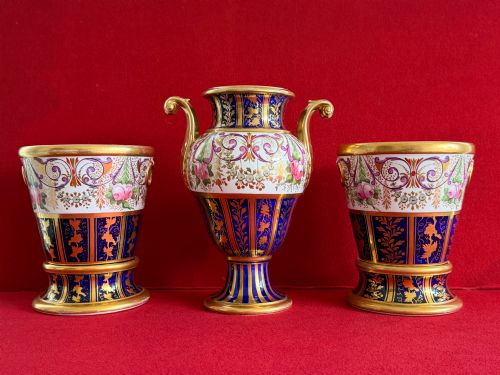
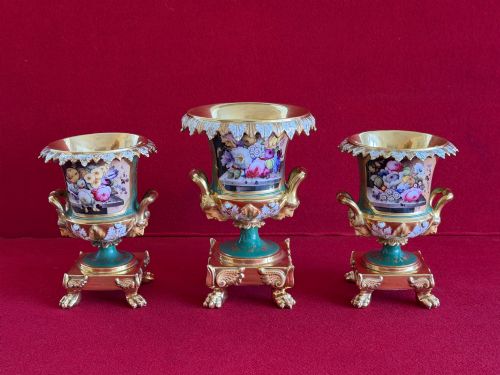
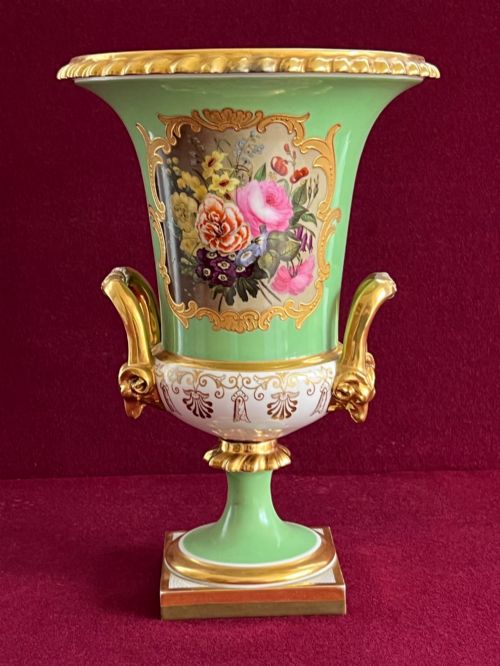
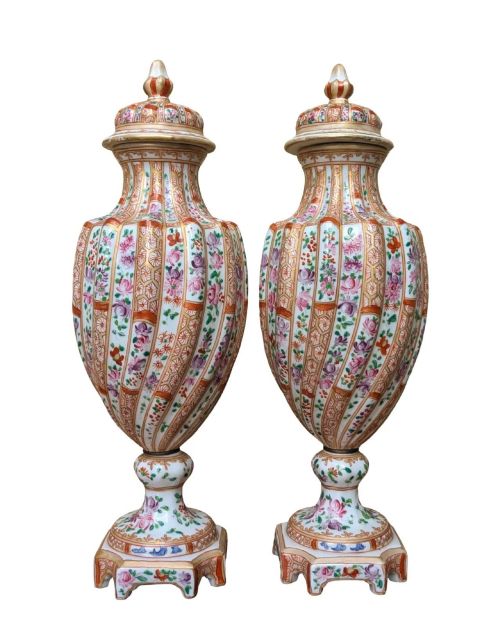
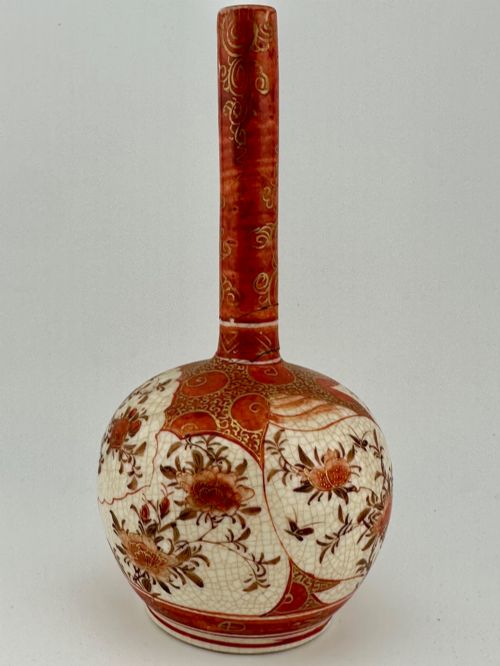
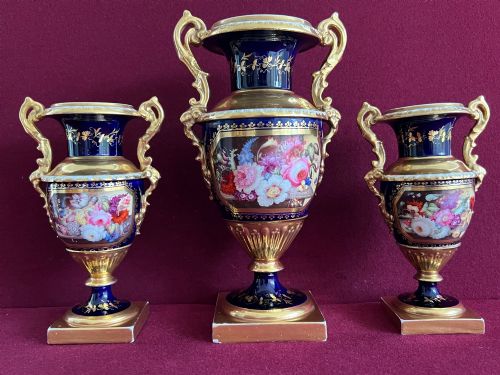
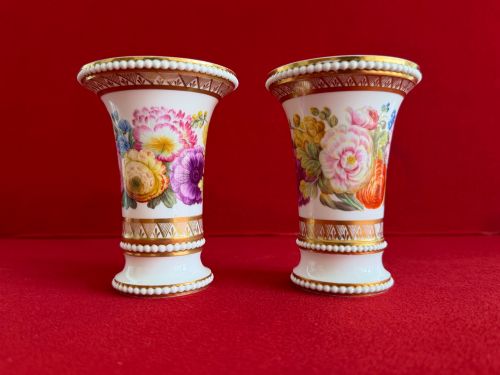
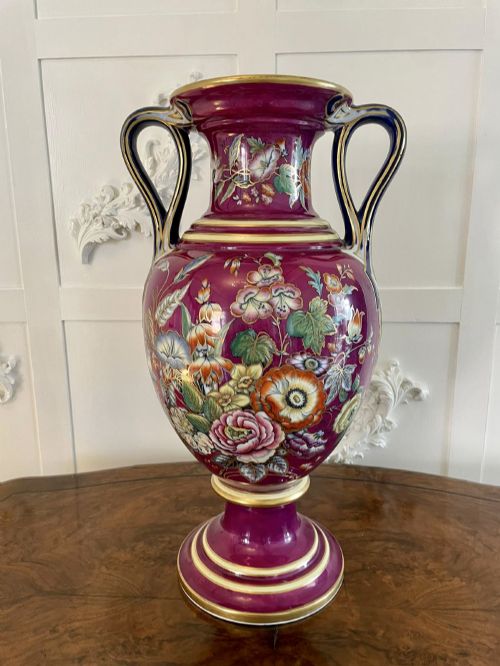
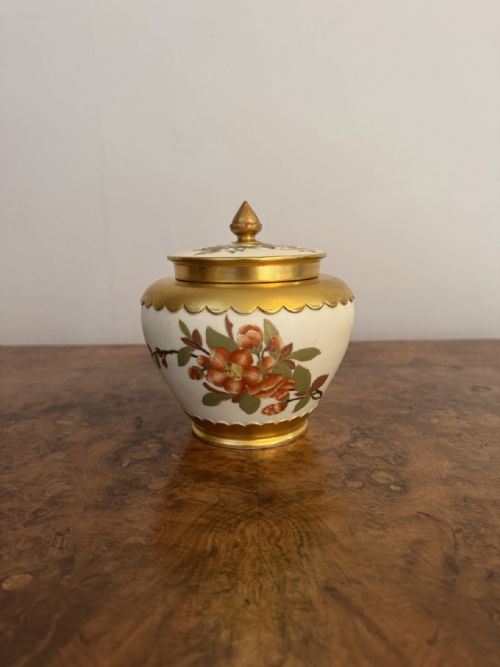
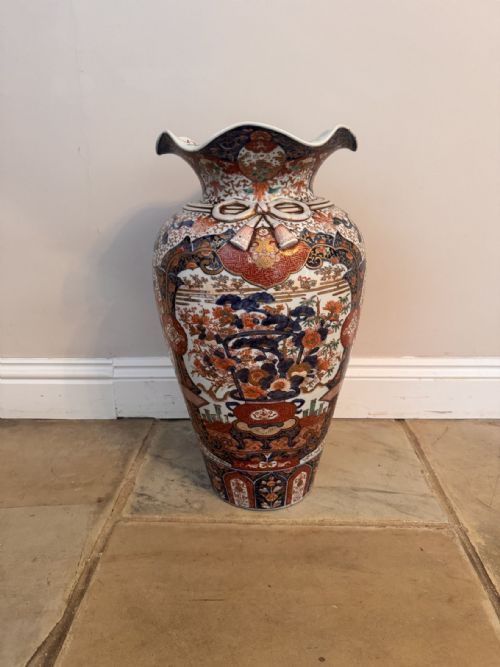
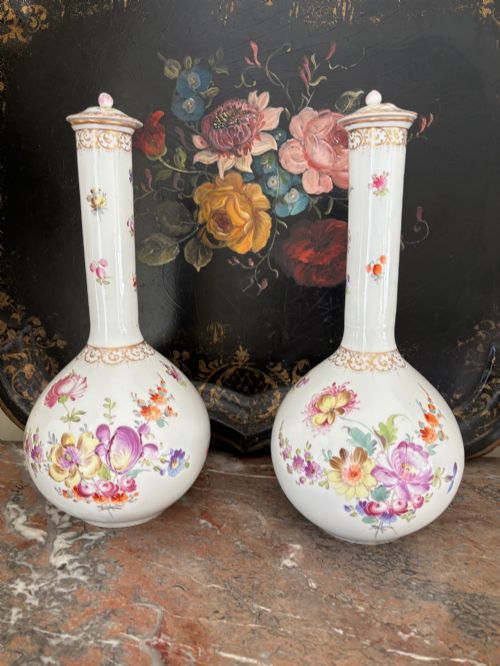
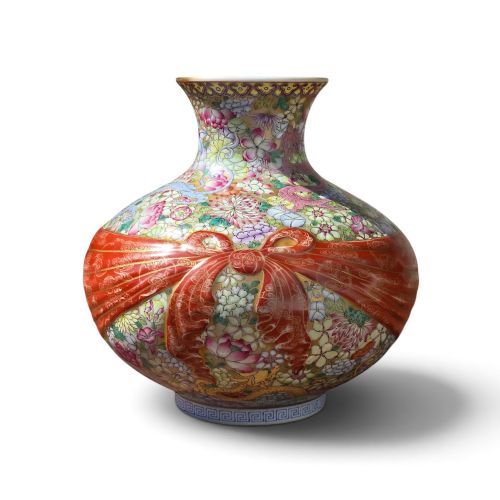
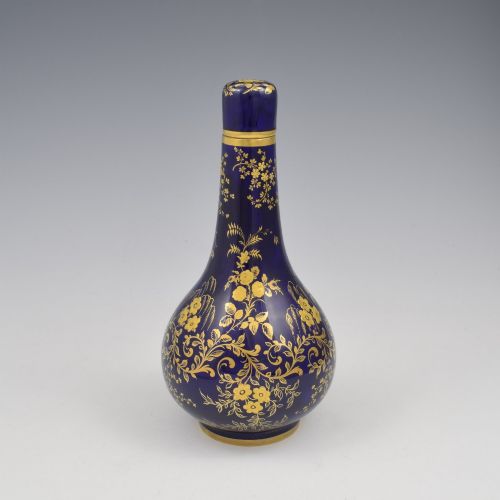
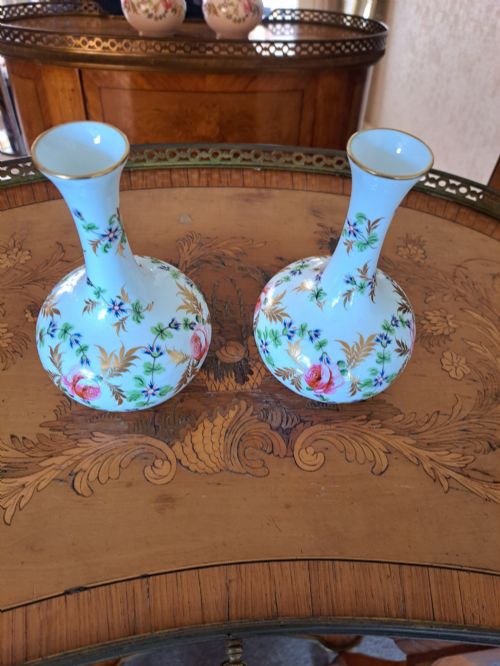
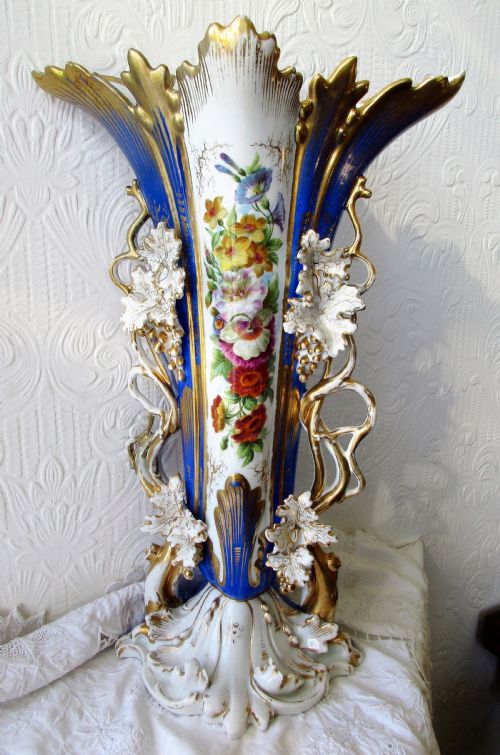
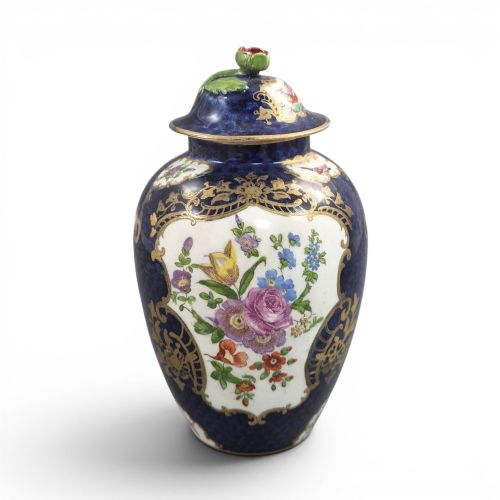
You are looking at a gilded porcelain floral vase, a decorative ceramic vessel finished with metallic leaf or paint and botanical motifs designed to command a room.
Gilded Porcelain Floral Vase
A gilded porcelain floral vase brings together three distinct elements: a ceramic body, hand-painted botanical motifs, and metallic surface enrichment. The examples gathered here span English factories, continental European manufactories, and Japanese export workshops.
The forms range from bulbous lidded potpourri jars and twin-handled campana urns to slender bud vases and monumental floor-standing pieces. Victorian English makers sit alongside Meissen, French porcelain houses, and Satsuma or Imari imports.
Dated pieces reach from the early nineteenth century through the Edwardian era, showing how taste shifted from neoclassical urns to organic blush ivory and densely patterned export wares.
Materials and Construction
Potters shaped these bodies from hard-paste or soft-paste porcelain, earthenware, and bone china, often throwing them on a wheel or pressing them into moulds before firing at high temperatures.
Workers applied hand-painted enamel colours and glaze layers, incorporating floral sprays, birds, or intricate panels before adding gold leaf, liquid gold, or burnished gilding to rims, handles, and borders.
Some Victorian potpourri jars were designed solely to mask the smell of coal smoke and damp hearths.
Judging Quality
The distinction between ordinary production and top-tier work rests on the crispness of the hand-painted brushwork and the depth of the gilding. Superior pieces show precise botanical detailing rather than mechanical transfer printing.
Subtlety in the glaze and the weight of the ceramic body also separate fine manufactories from simpler regional kilns, where potting can be heavy and the gold dull.
Royal Worcester·Crown Derby·Spode·Samson of Paris·Meissen·Sitzendorf
The Gilded Porcelain Floral Vase Glossary
- Campana urn
- A bell-shaped vessel with a flaring rim and pedestal foot, popular in neoclassical table and mantel garnitures.
- Blush ivory
- A matte cream-coloured ceramic glaze developed by Royal Worcester to mimic the soft tone of real ivory, frequently paired with gilt floral painting.
- Potpourri jar
- A covered ceramic vessel pierced or perforated to release the scent of dried flowers and spices held within.
- Imari
- A Japanese export porcelain style defined by a palette of underglaze blue, iron red, and abundant gold highlights.
- Gilding
- The application of gold leaf or powdered gold paint to ceramic surfaces to accentuate handles, rims, and decorative panels.
Gilded Porcelain Floral Vase: Frequently Asked Questions
What is a gilded porcelain floral vase?
It is a ceramic vessel decorated with painted flowers and accented with gold leaf or metallic paint, intended primarily for ornamental display rather than heavy everyday use.
These pieces served as mantel ornaments, centrepieces, and garniture components in wealthy interiors from the Georgian period through the early twentieth century.
How do I clean these antique vases?
Dust them gently with a soft, dry brush and avoid submerging them in water, especially if the gilding or enamel decoration is hand-painted on top of the glaze.
Moisture can penetrate tiny crazing lines in older ceramic bodies and lift delicate gold leaf or overglaze paints.
How can I tell English from foreign porcelain?
English factories often utilised bone china or soft-paste bodies with distinct paste characteristics and factory marks, while continental and Japanese makers employed hard-paste porcelain or earthenware.
Examining the base for factory ciphers, impressed numbers, or painted pattern codes will usually point directly to the maker's origin.
Were these vases used for real flowers?
Many larger urns and decorative jars were purely ornamental focal points, while smaller bud vases and flower holders were built to accommodate fresh stems.
Objects featuring delicate internal gilding or paper-thin porcelain walls were treated with great care to prevent water staining.