


Gilt Handle China Vase
A gilt handle china vase combines porcelain with gilded metal or leaf work, offering collectors a striking Victorian or Edwardian centrepiece.
Gilt Handle China Vase
A gilt handle china vase brings together porcelain and fine metallic decoration across the nineteenth and twentieth centuries. Buyers searching for a gilt handle china vase encounter works from periods such as the Victorian and Edwardian eras, spanning from eighteen sixty through to nineteen twenty.
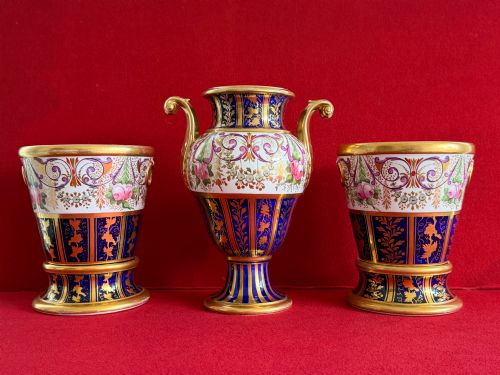
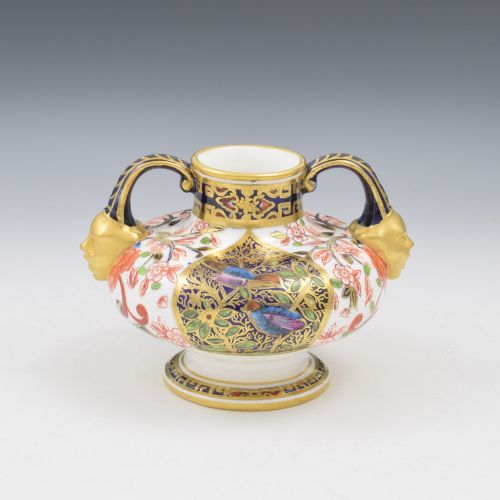
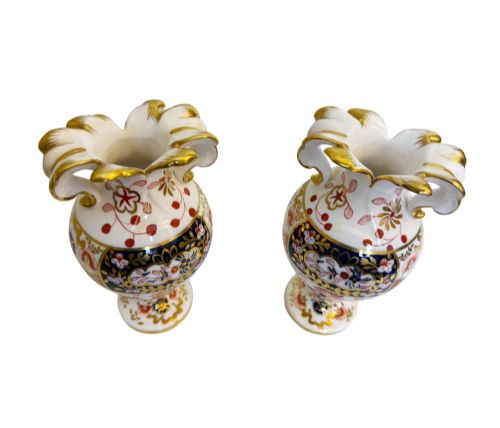
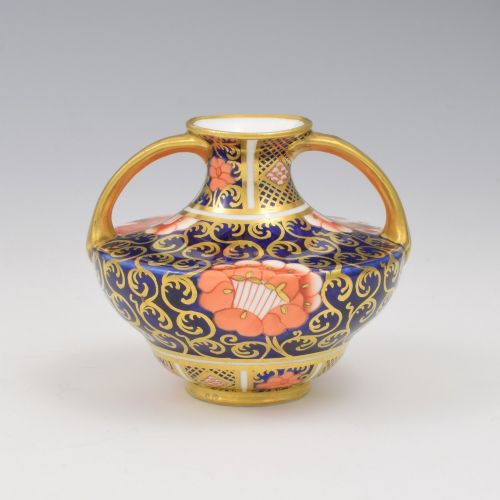
The selections on this page include twin handled vases, decorative urns, and miniature vessels. Makers represented include Spode, Royal Crown Derby, Royal Worcester, Royal Doulton, and Mason's Ironstone.
Forms range from covered vases and potpourri vessels to loving cups and blush ivory pieces. Many examples feature hand painted decoration by notable artists alongside traditional imari patterns.
How they were made
Potters utilised fine bone china and standard porcelain bodies, shaping them into handled vessels and urns through casting and throwing techniques. Artisans then applied enamel colours and gold leaf or gilding by hand before firing.
Decoration often involved intricate hand painted scenes, botanical studies, or animal subjects signed by factory artists. Gilt handles and mounts were meticulously applied to complement the porcelain bodies.
Listings feature porcelain, bone china, and ironstone decorated with gold leaf, enamel, and gilding across the nineteenth and twentieth centuries.
What varies in quality
Quality rests upon the fineness of the porcelain body and the precision of the hand painted details. Pieces bearing the signatures of established factory artists command greater attention.
The crispness of the gilding and the preservation of the enamel work distinguish finer examples from standard production pieces. Pairs and matched sets also differ significantly from single vessels.
Spode·Royal Crown Derby·Royal Worcester·Royal Doulton
The Gilt Handle China Vase Glossary
- Bone china
- A type of soft paste porcelain containing bone ash which produces a strong and milky white body. It allows for delicate vessel walls.
- Gilding
- The application of gold leaf or gold dust to the handles and rims of ceramic objects. This technique enhances decorative contrast.
- Imari
- A pattern style originating in Japan featuring rich blues and iron red highlights. British factories adapted this palette extensively.
- Blush ivory
- A matte cream coloured ceramic ground developed by Royal Worcester. It often provides a subtle background for floral decoration.
Gilt Handle China Vase: Frequently Asked Questions
How do I date a gilt handle china vase?
Dating relies upon factory backstamps, ceramic bodies, and stylistic markers recorded across the nineteenth and twentieth centuries. Victorian and Edwardian pieces show distinct shifts in painting styles and handle forms.
Examining the type of porcelain, such as bone china or ironstone, provides further clues regarding the production era and workshop origin.
Are painted signatures important?
Signed pieces by known artists like Walter Powell or Harry Davis indicate higher artistic ambition from major potteries. These marked works often reflect individual hand painting rather than standard transfer printing.
Collector interest tends to concentrate on vessels bearing verifiable signatures from prominent factory decorators.
How should I clean my porcelain vase?
Dust porcelain gently with a soft dry cloth to protect delicate enamel and gold leaf decorations. Avoid immersing gilded or hand painted vessels in water or using harsh chemical cleaners.
Keeping pieces away from direct sunlight helps preserve the vibrancy of the hand painted pigments over time.
What is blush ivory?
Blush ivory refers to a soft tinted ceramic finish pioneered during the late nineteenth century. It creates a warm matte background that complements floral and pastoral painting.
This finish appears frequently on pieces from the Edwardian period and earlier decades.