

Gilded Porcelain Decorative Urn
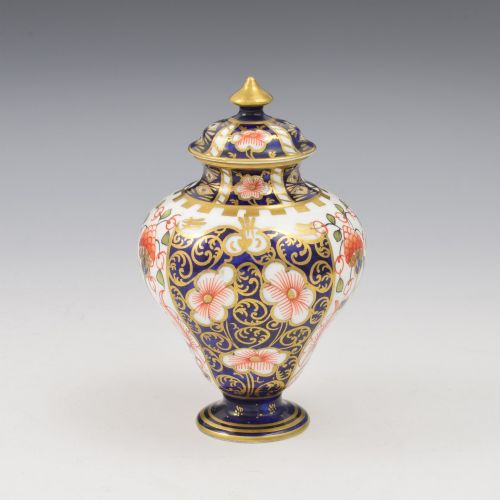
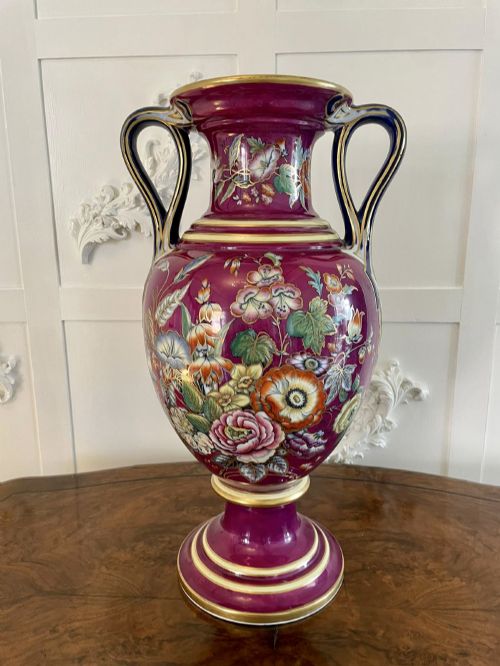
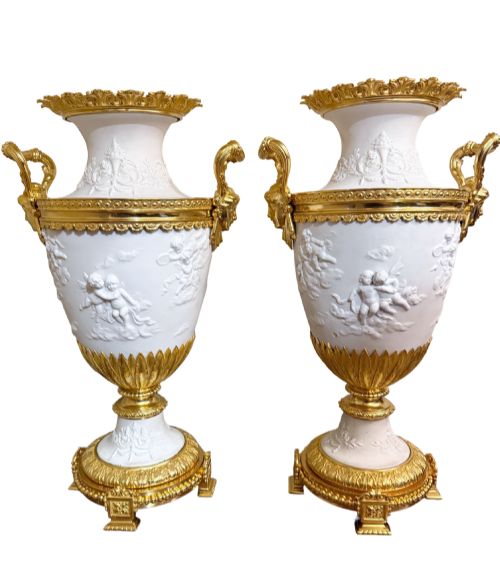
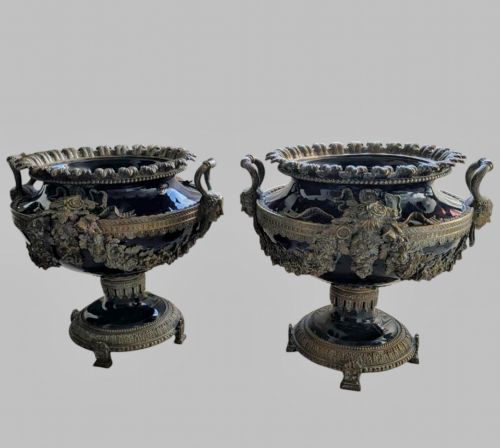
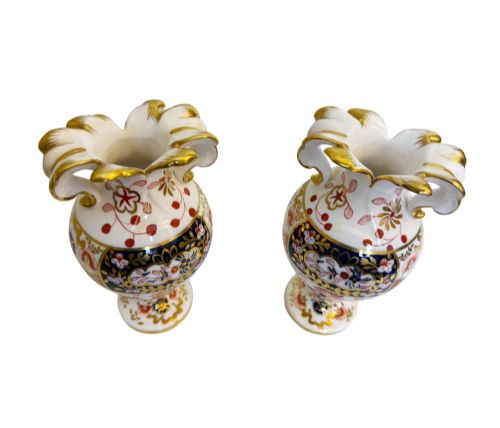
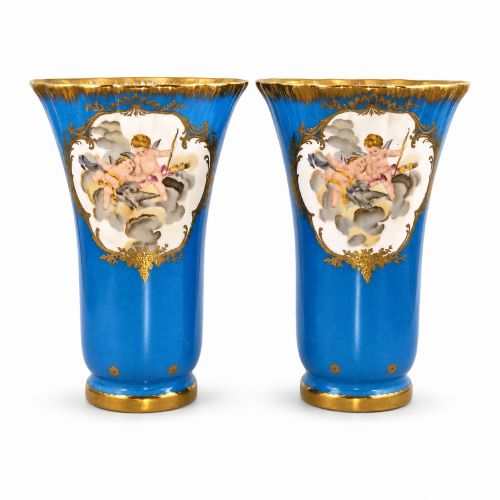
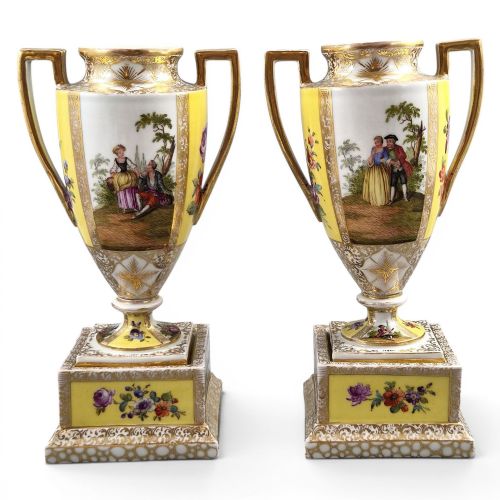
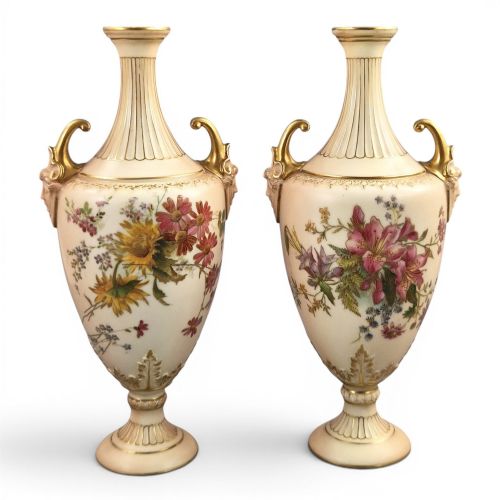
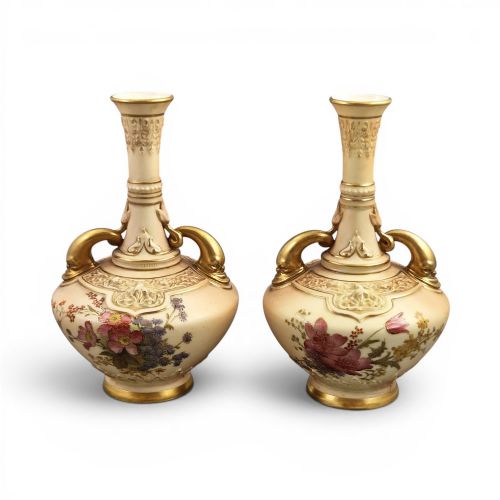
These gilded porcelain decorative urn pieces combine ceramic bodies with gold leaf applications across diverse nineteenth and twentieth century periods.
Gilded Porcelain Decorative Urn
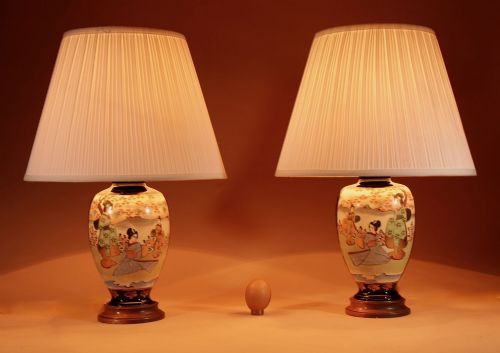
A gilded porcelain decorative urn serves primarily as an ornamental vessel, combining ceramic body work with metallic surface embellishments. Pieces matching this description span multiple forms including vases, campana urns, jardinieres, and table lamps.
The selection on this page draws heavily from nineteenth century production alongside early twentieth century examples, incorporating British, French, German, Austrian, and Japanese manufacturing origins.
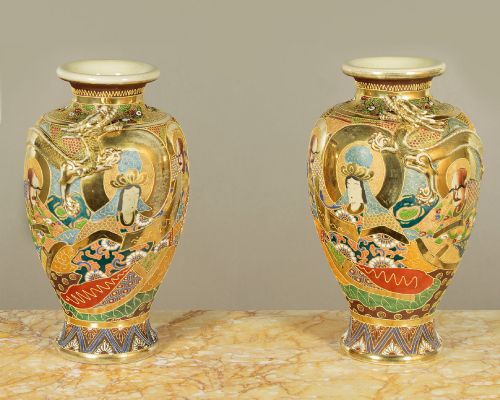
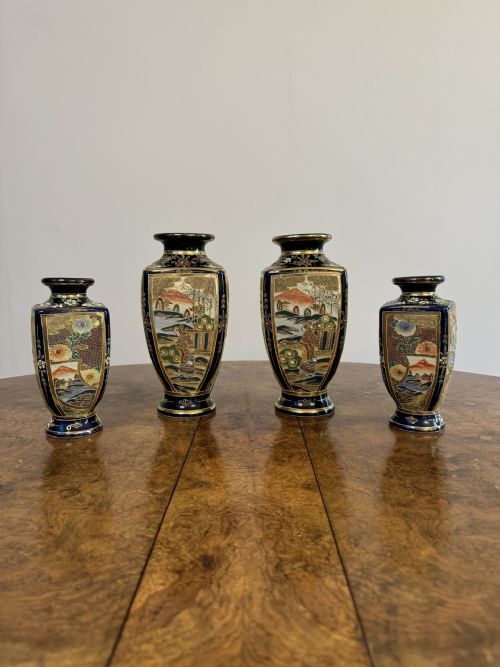
Makers and factories represented range from English porcelain works like Royal Worcester and Coalport to continental producers and Japanese Satsuma workshops.
How they were made
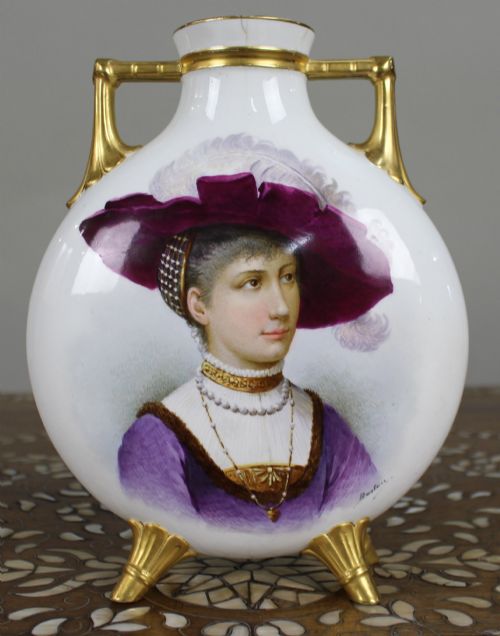
Bodies are formed from porcelain, earthenware, or ceramic, often shaped into campana urns, twin-handled vases, or moon flasks before receiving initial firing and glaze layers.
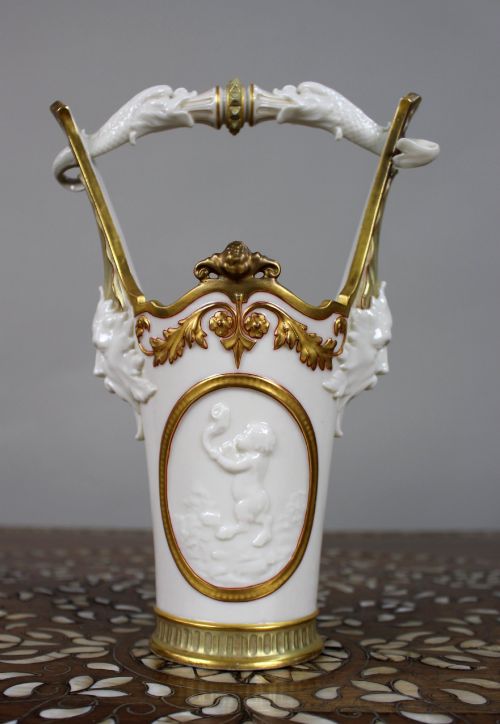
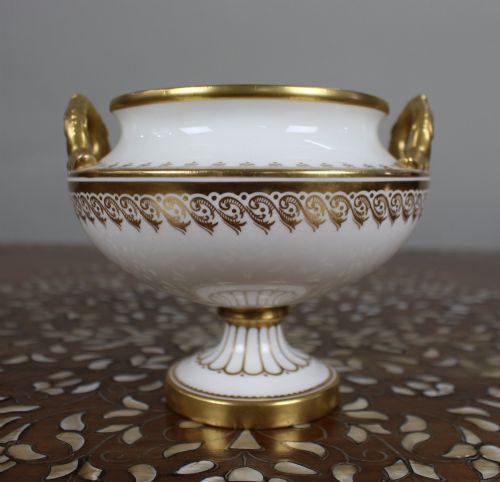
Decoration relies on hand painting, enamel work, and the application of gold leaf or gilt to highlight handles, rims, and pictorial panels.
Several pieces feature improbable twin dolphin handles that look ready to swim right off the mantelpiece.
What varies in quality
The precision of hand-painted detail and the crispness of the gilt or gold leaf application distinguish finer studio and factory output from standard production.
Form complexity, such as modeled handles in the form of dolphins or figural elements, alongside signed artisan work, elevates the standing of an individual piece.
Royal Crown Derby·Royal Worcester·Coalport·Spode·Kinkozan
The Gilded Porcelain Decorative Urn Glossary
- Gilt
- A thin layer of gold applied to the surface of porcelain or ceramic. It provides the characteristic metallic gleam found on handles and rims.
- Satsuma
- A type of earthenware originating from Japan, typically characterised by a crackle glaze and elaborate polychrome and gilt decoration. It appears frequently in late nineteenth and early twentieth century examples.
- Jardinier
- A large ornamental pot or stand intended for holding plants or floral arrangements. These ceramic pieces often feature matching pedestals or twin handles.
Gilded Porcelain Decorative Urn: Frequently Asked Questions
How do I display a gilded porcelain decorative urn?
These vessels suit prominent placement on mantelpieces, sideboards, or dedicated display tables where adequate lighting catches the metallic surface details. Ensure they sit on stable surfaces away from high traffic areas.
Pairing matching pairs symmetrically creates a formal arrangement, while individual pieces act as strong focal points within a room.
Were these urns used for flowers?
Many forms were intended strictly as ornamental objects rather than functional containers for water and cut stems. Some variations, such as jardinieres, were specifically designed to hold plants.
Checking the interior for water staining or unglazed surfaces helps determine if a piece was meant for holding contents.
How do I clean a gilded porcelain decorative urn?
Dust the surface gently using a soft, dry brush or a microfiber cloth to prevent abrasion to the enamel and gold leaf layers. Avoid commercial cleaning liquids or abrasive sponges.
Moisture can harm delicate gilt and hand-painted pigments, so dry maintenance remains the safest approach for antique ceramic surfaces.
How do I tell nineteenth century pieces apart from later ones?
Nineteenth century examples often display specific factory backstamps, hand-painted pattern numbers, and heavier potting characteristic of Victorian or Georgian manufacturing methods. Stylistic cues like Rococo Revival or Neoclassical motifs also point to earlier dates.
Twentieth century pieces frequently incorporate Art Deco styling or Showa period Japanese signatures, reflecting shifts in taste and production techniques.