

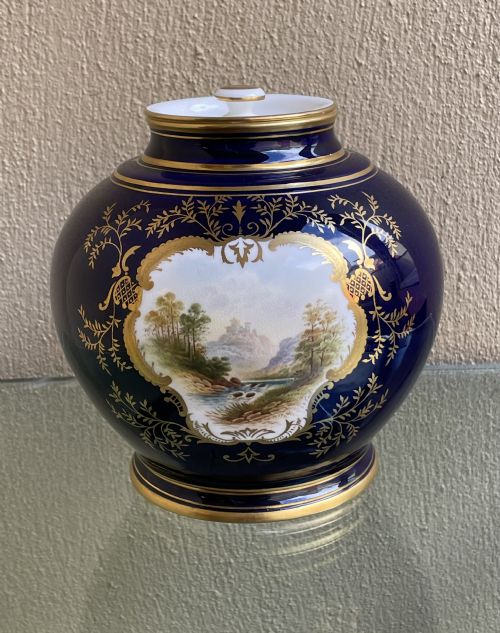


Gilded Porcelain Cover Jar
When you seek a gilded porcelain cover jar, you uncover lidded vessels uniting ceramic craftsmanship with gold leaf embellishment.
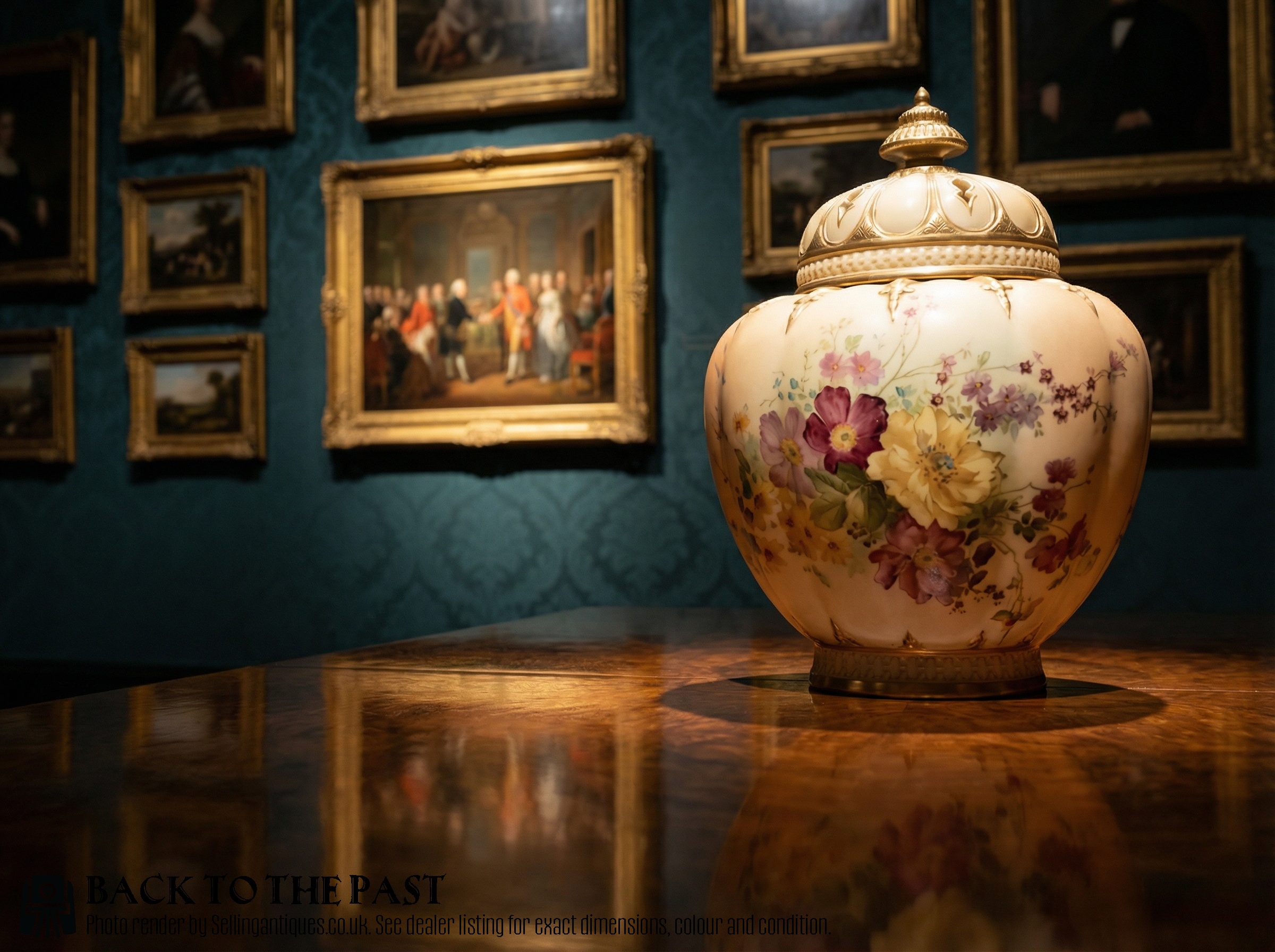
Gilded Porcelain Cover Jar
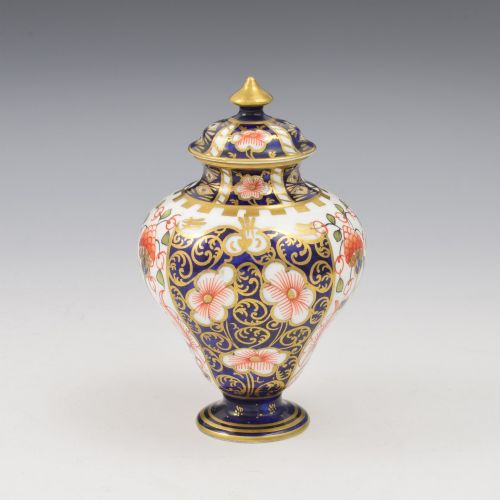
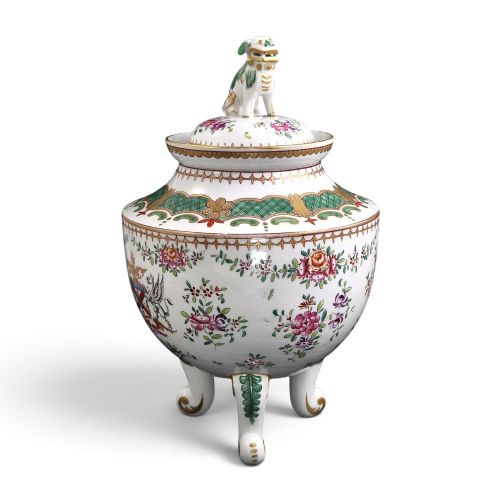
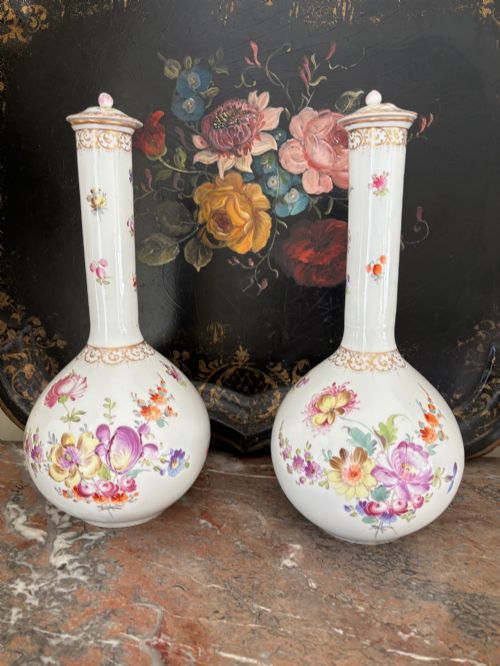
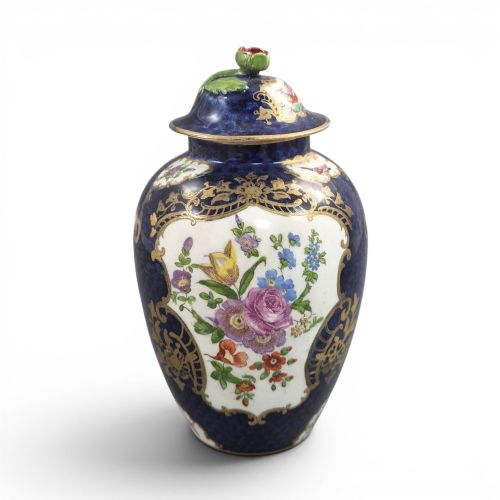
A gilded porcelain cover jar combines a ceramic body with a fitted lid, often taking the form of bulbous vases, ginger jars, and urns. These pieces span the eighteenth, nineteenth, and twentieth centuries, originating from English potteries, continental factories, and Japanese kilns.
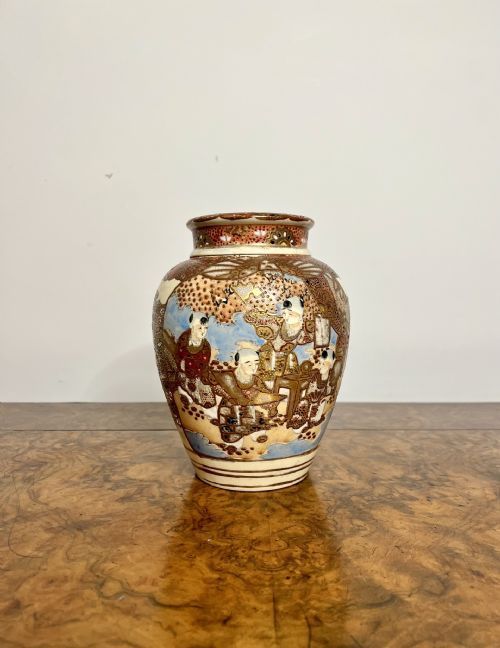
You meet a variety of styles on this page, ranging from Victorian and Edwardian British designs to Japanese Satsuma and Imari wares, alongside Neoclassical and Rococo Revival forms. English makers such as Royal Worcester, Royal Crown Derby, and Coalport appear frequently alongside continental houses like Samson Paris and Dresden potteries.
How They Were Made
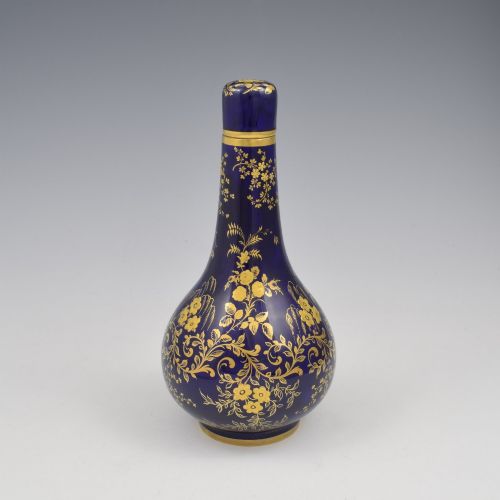
Potters shaped these vessels using porcelain, hard-paste porcelain, earthenware, and ceramic before applying hand-painted decoration such as floral scenes, exotic birds, and figures. Artisans then integrated gilding, gold leaf, and enamel work onto the surface, often over coloured grounds like scale blue.
Firing techniques varied from traditional European kilns to Japanese methods seen in Satsuma and Imari pieces. Lids and covers were potted to match the precise contours of each vase or jar, ensuring a flush fit.
Listings feature porcelain, earthenware, and hard-paste ceramic bodies decorated with enamel and gold leaf.
What Varies in Quality
The precision of the hand-painted decoration separates standard production from superior examples. Skilled artists executed intricate botanical studies, landscapes, and armorial details with refined brushwork.
The application and preservation of the gilding and gold leaf also define the tier of the piece. Crisp, thick gilding that retains its burnished lustre indicates higher workshop standards during production.
Royal Crown Derby·Samson Paris·Sitzendorf·Derby Porcelain·Royal Worcester·Coalport·Fielding s Crown Devon·Spode·Yamashu·Mason s·Royal Vienna·Helena Wolfsohn Dresden·Meissen·Royal Winton·Berlin·Augustas Rex
The Gilded Porcelain Cover Jar Glossary
- Gilding
- The application of gold leaf or gold powder to the surface of porcelain. This decorative technique highlights rims, handles, and painted panels.
- Hard-Paste Porcelain
- A dense, durable ceramic material fired at high temperatures. It forms the robust body of many continental and oriental vessels.
- Pot-Pourri
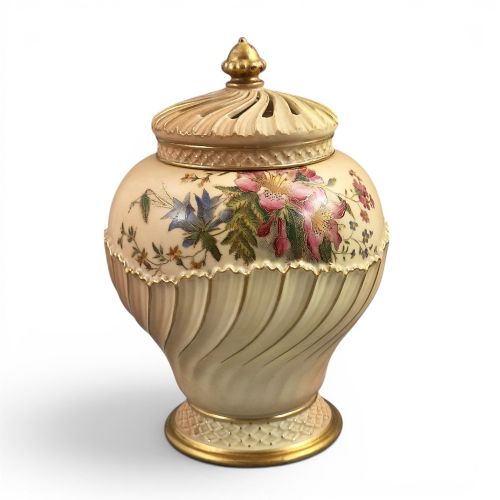
- A jar or vase featuring a pierced lid designed to diffuse scent from dried flower petals. Royal Worcester produced notable examples of this form.
- Imari
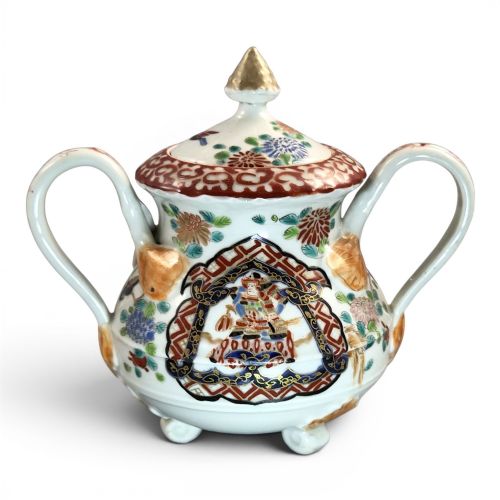
- A traditional Japanese style of ceramic decoration characterised by iron red, cobalt blue, and gold. European factories frequently copied these distinct patterns.
- Sucrier
- A small covered sugar bowl used for dining table service. These pieces share construction methods with larger lidded jars.
Gilded Porcelain Cover Jar: Frequently Asked Questions
What is a gilded porcelain cover jar?
These items are ceramic vessels featuring a matching lid and surface decoration finished with gold leaf or gilding. They were produced in various forms including ginger jars, urns, and pot-pourri containers.
Originating from diverse traditions such as English porcelain works, French factories, and Japanese kilns, they served both decorative display purposes and functional storage roles.
How were these lidded jars used historically?
Many of these vessels held dry goods, tea, or scented pot-pourri mixtures within domestic interiors. Large urns and vases stood on mantelpieces and side tables as decorative ornaments.
Their lids kept contents protected while displaying hand-painted artistic scenes to visitors in formal reception rooms.
How do I care for antique porcelain with gold leaf?
Dust these pieces gently using a soft, dry brush to protect the delicate enamel and gold leaf decorations. Avoid chemical cleaners and water immersion, which can damage historic painted surfaces.
Display the vessels away from direct sunlight and areas prone to heavy temperature fluctuations to preserve the ceramic body and gilding.