


Gilded Plant Column
A gilded plant column lifts your botanical displays with classical polish, bringing unmistakable warmth and architectural height to any room.
Gilded Plant Column
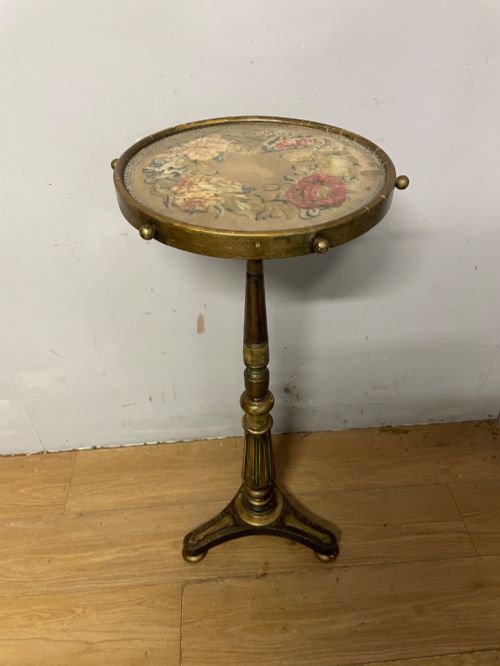
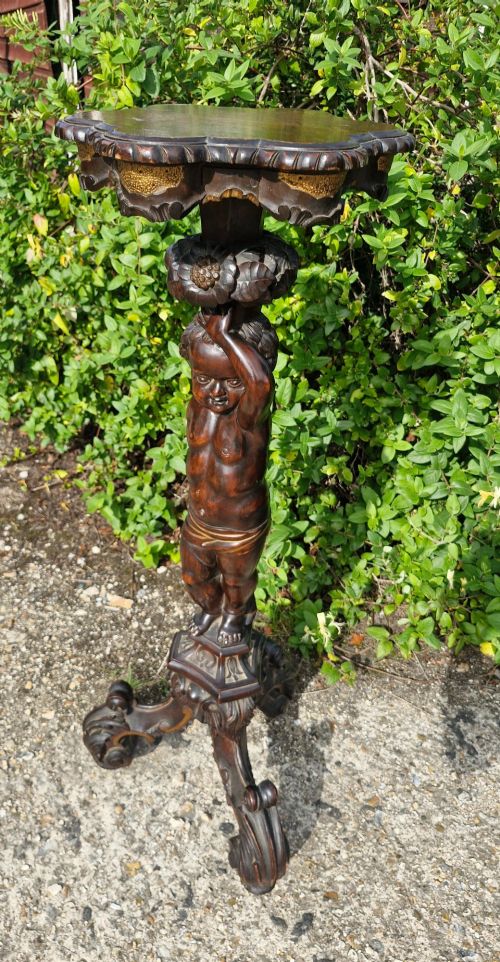
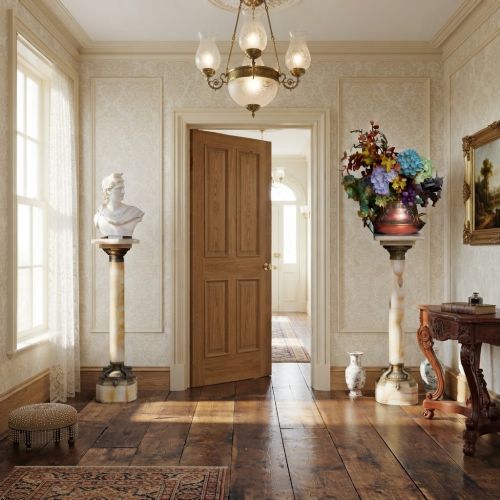
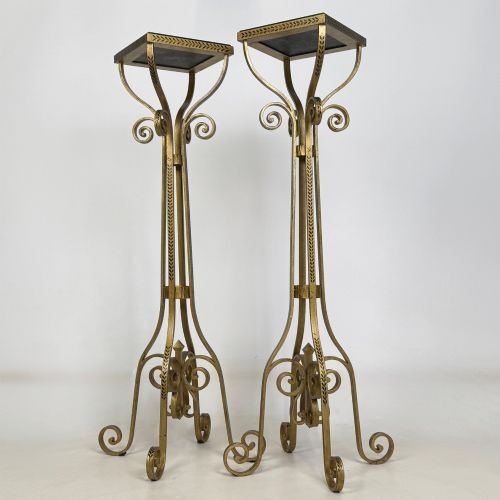
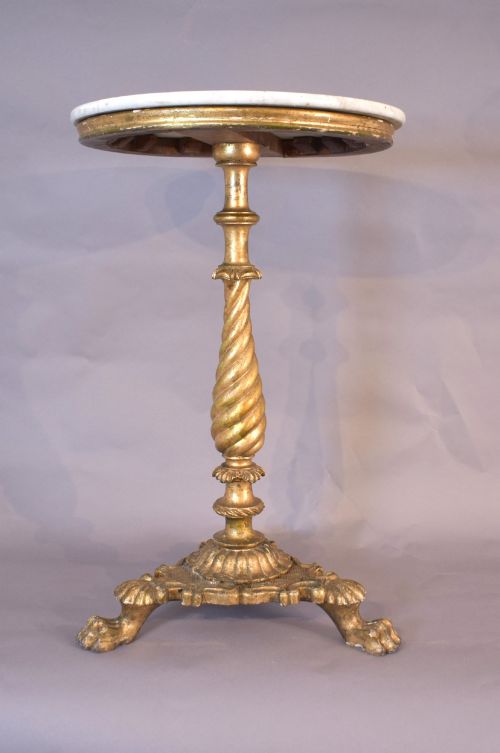
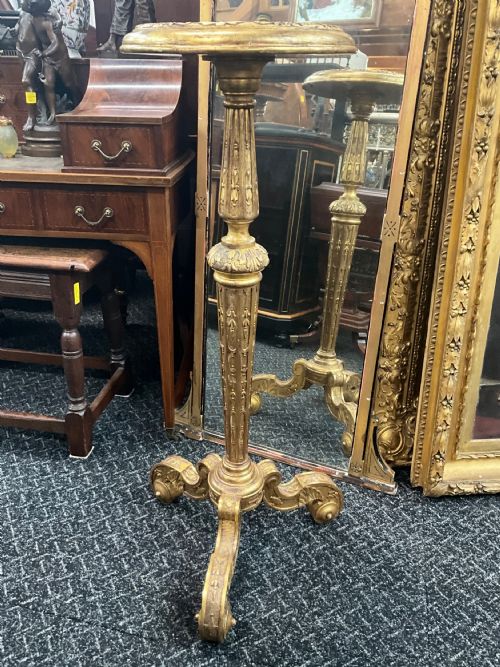
A gilded plant column serves as an elevated platform for urns, jardinieres and botanical specimens, combining structural height with ornamental surface work. When exploring a gilded plant column, you will encounter diverse forms including slender torchieres, sturdy pedestals and occasional plant stands.
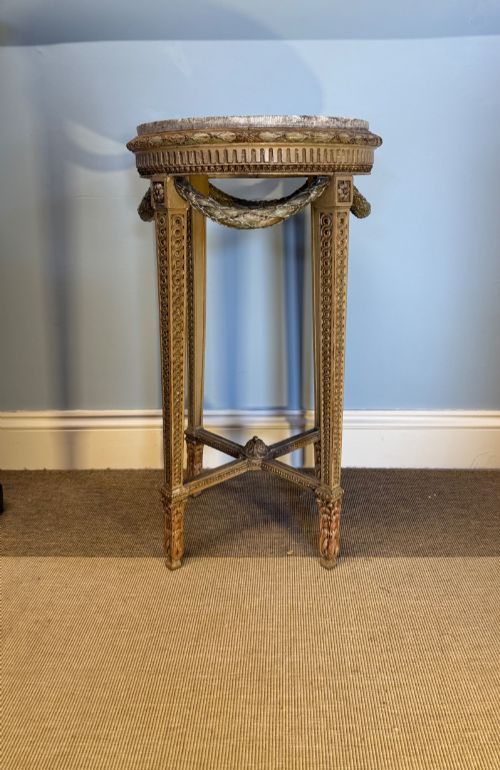
The selections span distinct periods ranging from Regency and Victorian eras through to the early twentieth century. Common stylistic expressions lean heavily towards French Rococo Revival, Louis XVI style and Venetian aesthetics.
Makers and workshops constructed these pieces primarily as focal points for drawing rooms, halls and conservatories. The resulting objects merge practical support with decorative presence through shimmering gold finishes and classical motifs.
Materials and construction methods
Craftsmen shaped these structures using carved wood, gesso and giltwood, applying gold leaf to create luminous metallic surfaces. Many examples incorporate substantial tops of marble or onyx to provide a cool, stable contrast to the warm gilding below.
Detailing often includes applied ormolu collars, decorative flower mouldings and painted finishes that imitate finer stones. Skilled joinery secures the columns and tripods, balancing slender vertical profiles with heavy stone surfaces.
The documented forms include tripod tables, torchere columns, side tables and jardinere stands reflecting French and Italian design influences.
Judging quality and execution
Superior examples display crisp hand-carved detail in the wood and gesso, whereas lesser pieces rely on softer moulded ornament. The quality of the gilding itself dictates the visual depth, with genuine gold leaf retaining a richer patina than modern metallic paint.
Stability remains paramount in tall supports; finer items distribute weight evenly through robust tripod bases or heavy stone plinths. The integration of genuine marble or onyx tops rather than substitute materials separates the finest columns from standard production.
The Gilded Plant Column Glossary
- Giltwood
- Wood that has been treated with a thin layer of gold leaf or powder. This finish provides a durable metallic sheen while protecting the carved timber beneath.
- Ormolu
- Cast brass that has been gilded with mercury or gold amalgam, producing a rich golden finish. It frequently appears as decorative mounts and collars on nineteenth-century pieces.
- Torchere
- A tall, slender stand designed to hold a light or a decorative object. They often feature elevated platforms supported by carved columns or tripods.
- Gesso
- A plaster mixture applied to wood surfaces as a base for paint or gold leaf. Skilled artisans carve intricate details directly into this layered ground.
- Plinth
- The heavy flat base or lower block that supports a column or pedestal. It ensures stability for tall vertical display stands.
Gilded Plant Column: Frequently Asked Questions
How do I care for antique gilded surfaces?
Dust these pieces regularly with a very soft, dry brush to prevent dirt accumulation without disturbing the delicate gold leaf. Avoid liquid cleaners, damp cloths and chemical sprays entirely.
Keep gilded furniture away from direct sunlight and excessive humidity to prevent the underlying gesso from cracking or lifting over time.
Can these columns support heavy plants?
Most antique columns with marble or onyx tops easily accommodate heavy ceramic pots and established plants. The heavy stone tops distribute weight effectively down through the central shaft.
Lighter wooden-topped stands require more caution, so check the internal stability and base width before placing excessively heavy specimens on top.
How do I date a nineteenth-century pedestal?
Examine the wood types, construction joints and the composition of the gesso or decorative mouldings. Nineteenth-century pieces frequently display specific revival styles such as Louis XVI or Victorian Classical.
Look closely at the wear patterns on the base and the method of gilding, which often reveal the manufacturing techniques characteristic of the period.