


Gilded Panel Painting
A gilded panel painting brings together rich metallic leaf and fine brushwork on wood or canvas.
Gilded Panel Painting
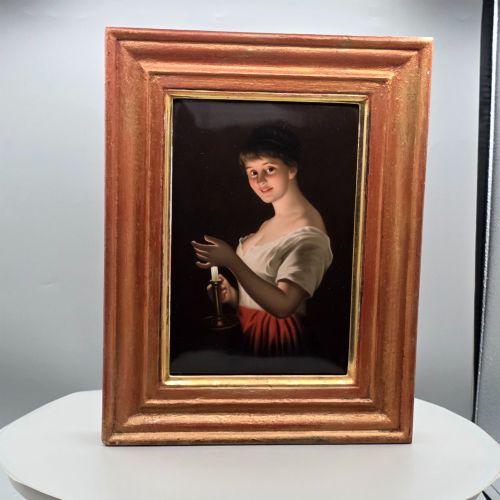
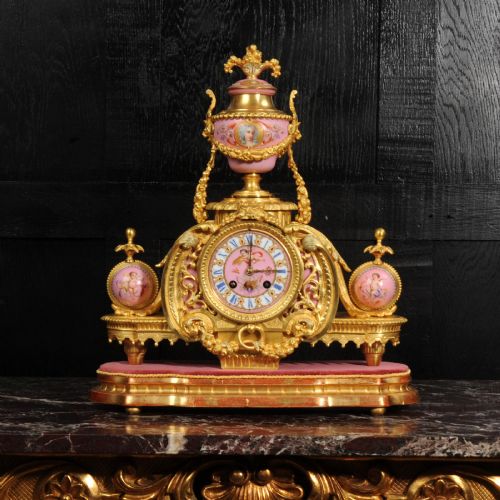
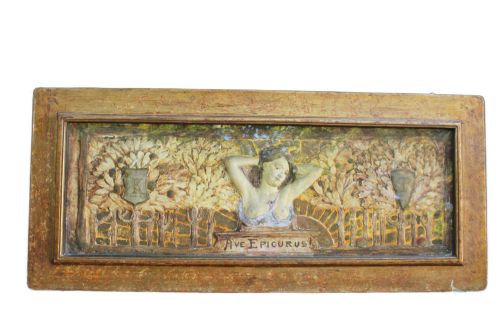
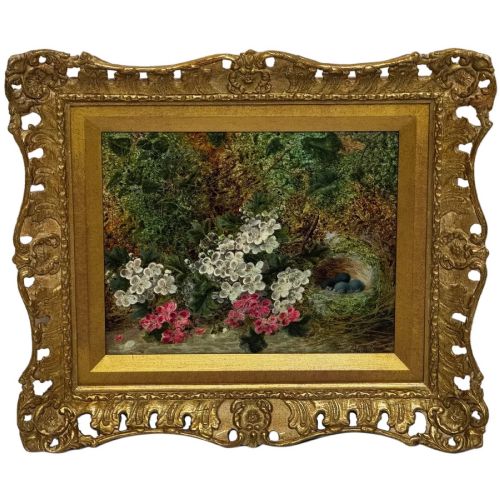
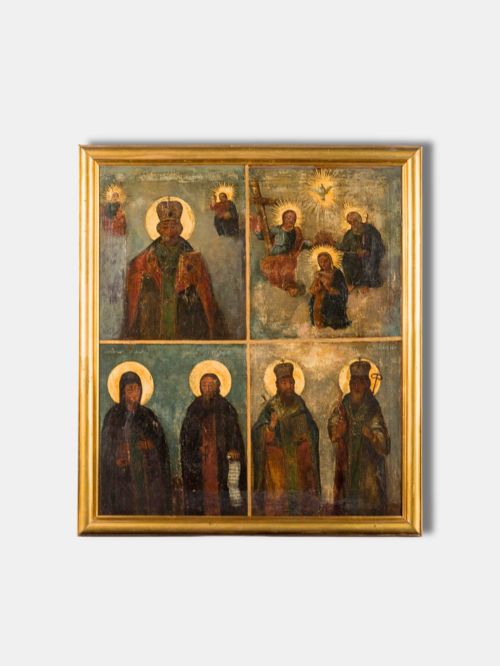
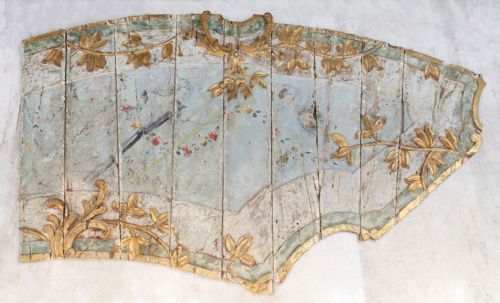
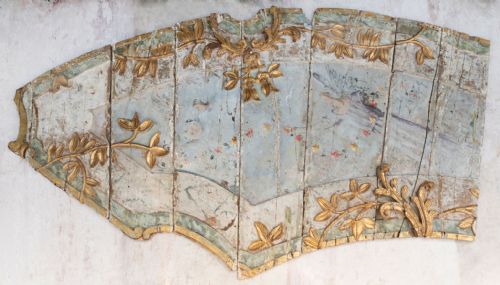
When you search for a gilded panel painting, you encounter works spanning from the seventeenth century through to the twentieth century. These pieces encompass oil paintings on wood, religious icons with gold leaf, and decorative panels incorporated into furniture or trumeau mirrors.
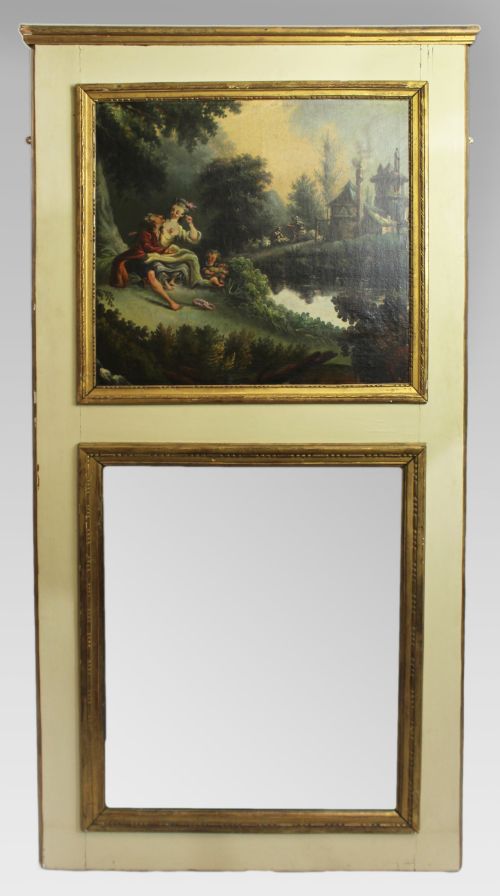
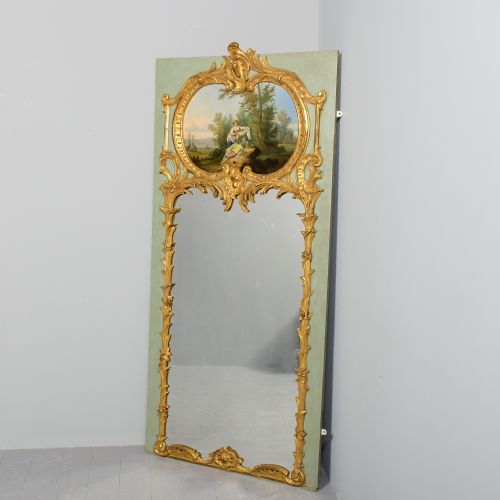
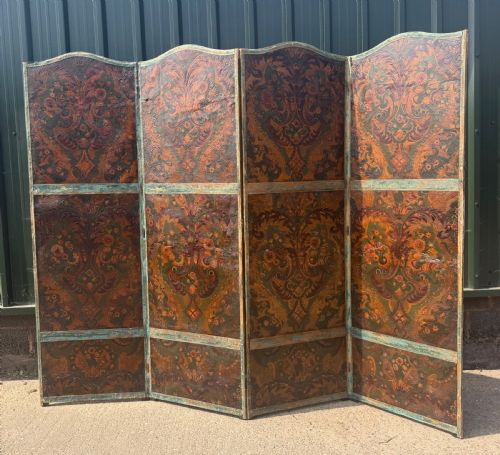
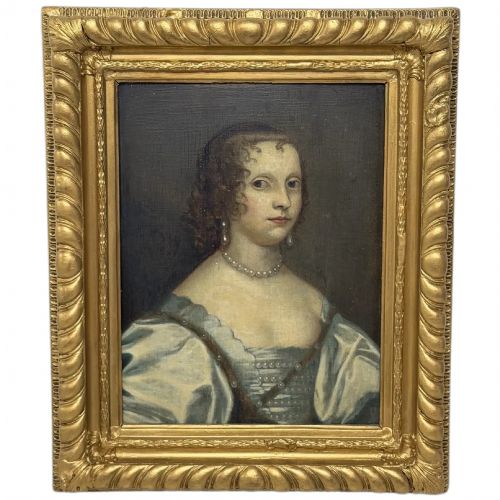
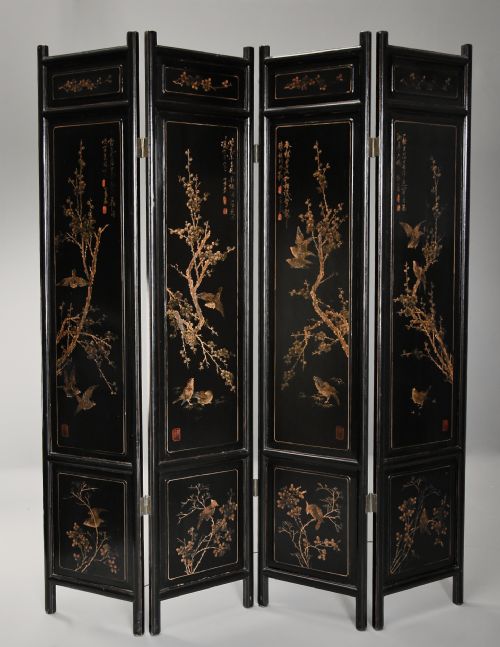
The selection ranges from early portraits on oak panels to nineteenth-century French trumeau mirrors featuring pastoral scenes and decorative folding screens. Many examples integrate paint, gold leaf, and gesso upon wooden supports.
You are most likely to meet nineteenth-century French trumeau mirrors, decorative wall panels, and oil paintings on wood panels among these listings. These items reflect periods including the Regency, Victorian era, and Renaissance Revival.
How They Were Made
Artisans applied thin layers of gesso onto wooden panels or canvas before laying down sheets of gold leaf to create a reflective metallic ground. Oil paint, tempera, or polychrome decoration was then applied over or beside the gilding.
Support structures varied from sturdy oak and general wood panels to canvas and glass, depending on whether the artwork functioned as a standalone painting or an architectural mirror insert.
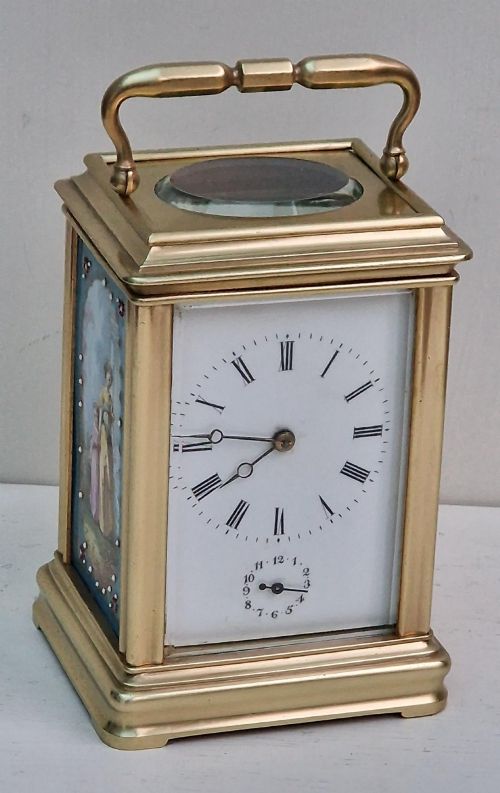
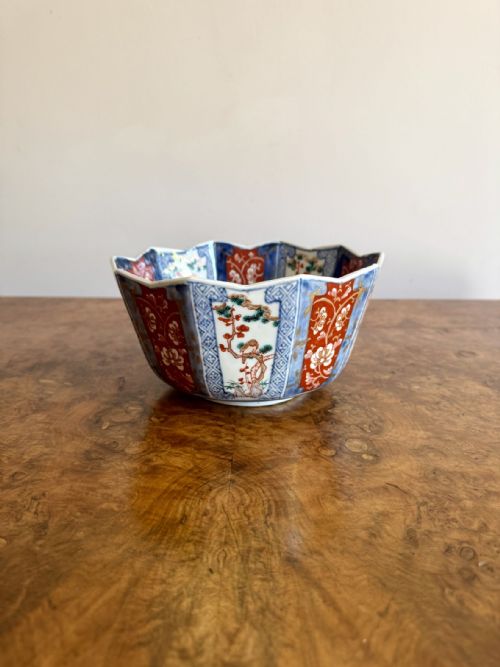
Giltwood frames, hand-painted ceramic plaques, and reverse glass painting techniques were utilised by makers to enhance the decorative impact of the primary panel.
Cats, birds, and market scenes share wall space with stern saints, proving ancestors loved pets just as much as we do.
What Varies In Quality
The refinement of the brushwork and the delicacy of the gilding separate the finer works from standard decorative pieces. Master painters achieved subtlety in facial expressions and natural light that lesser hands missed.
The preservation of the original gold leaf and the stability of the underlying wood panel determine the integrity of a piece. Original surfaces untouched by heavy restoration retain greater character.
The joinery of the surrounding frame or cabinet and the quality of the materials, such as genuine oak panels versus softer woods, dictate the overall standard of the object.
Achille Brocot·Oliver Clare·Icilio Federico Joni·James Kyd·Samson
The Gilded Panel Painting Glossary
- Trumeau
- A decorative wall mirror or panel designed to fit into the space between windows. It frequently incorporates an oil painting or gilded motif in the upper section.
- Gesso
- A plaster mixture applied to wood or canvas to prepare a smooth surface for gilding and painting. It provides the foundation for gold leaf application.
- Icon
- A religious work of art, typically painted on wood panels using tempera and gold leaf. These devotional pieces often follow traditional Byzantine or Russian Orthodox styles.
- Vernis Martin
- A type of simulated Japanese lacquer developed in France during the eighteenth century. Artisans used it to decorate furniture panels and display cabinets.
- Eglomisé
- A technique where cold painting and gilding are applied to the rear face of glass. This produces a mirrored effect with intricate metallic designs.
Gilded Panel Painting: Frequently Asked Questions
What is a trumeau mirror?
A trumeau mirror is an architectural wall mirror featuring a painted or carved panel set above the glass plate. These pieces originated in grand European interiors to reflect light between windows.
They often incorporate pastoral oil paintings or gilded mouldings that match the neoclassical style of the room.
How should I clean a gilded panel?
Gilded surfaces require gentle dusting with a soft, dry brush to prevent damage to the delicate metallic leaf. Moisture can lift old gesso and gold leaf from the wood substrate.
Avoid chemical cleaners or abrasive cloths entirely when maintaining these historical painted panels.
Are these panels painted on wood?
Many panels consist of oil paint or tempera applied directly to prepared wood supports such as oak. Artists favoured wooden panels for their rigidity and smooth painting surfaces.
Other examples utilise canvas, glass, or ceramic plaques framed within giltwood or lacquered structures.
Where were religious icons made?
Traditional religious icons were primarily produced in Russian Orthodox workshops using tempera and gold leaf on wooden boards. These devotional objects followed strict canonical rules for iconography and composition.
They served a central role in domestic prayer corners and religious ceremonies.