


Gilded Japanese Ceramic Figure
A gilded japanese ceramic figure brings painted figures, deities and auspicious beings into domestic spaces through earthenware and porcelain.
Gilded Japanese Ceramic Figure
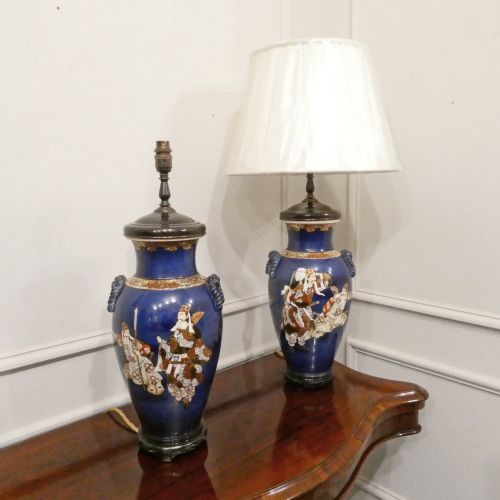
A gilded japanese ceramic figure takes the form of deities, Buddhist figures, monks and cultural icons modelled in earthenware and porcelain. These pieces appear alongside related sculptural forms including okimono, animal models and decorative vessels.
The most common examples on this page date from the nineteenth and early twentieth centuries, spanning the late Edo, Meiji and Taisho periods. Makers utilise traditional ceramic bodies finished with enamel, glaze and gold leaf.
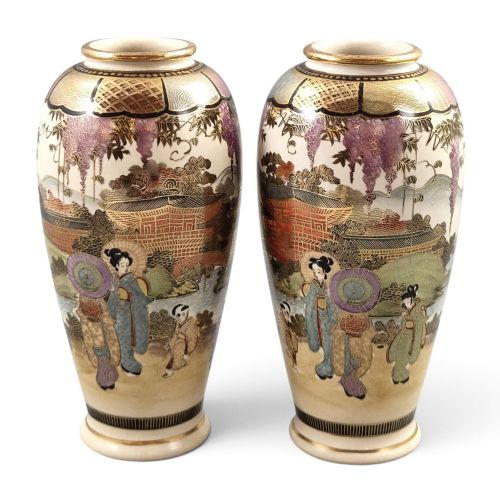
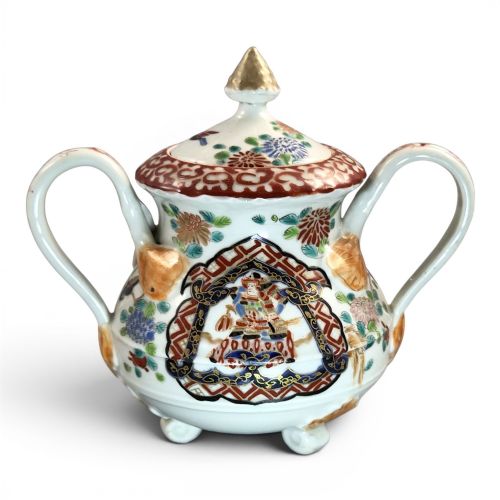
Representations range from single standing deities such as Kannon or Jurojin to complex sculptural groups involving multiple figures. Each piece reflects the ceramic traditions associated with Satsuma and Kutani production.
Materials and Construction
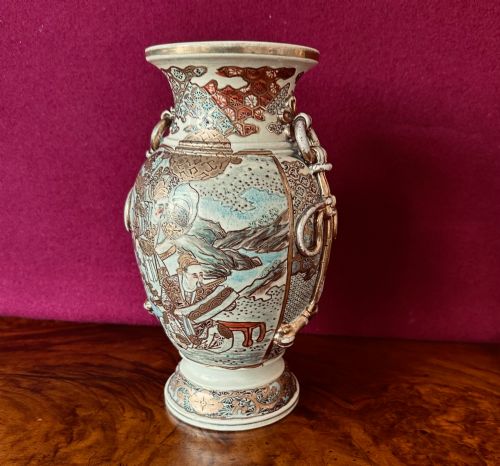
Potters shape the core body from earthenware or porcelain before applying a base glaze and fired enamel colours. Artisans then layer gold leaf and gilt details across the surface to highlight robes, haloes and decorative motifs.
Techniques such as moriage build up raised slip decoration beneath the gilding to create tactile surface relief. Wood stands or components occasionally accompany the ceramic figures to complete the piece.
Surviving figures include benevolent deities of longevity sharing shelf space with fierce temple lions and scholarly monks.
Assessing Quality and Execution
The precision of the brushwork and the refinement of the modelling separate ordinary output from finer studio work. Skilled modellers define facial expressions and hand gestures with clarity, whilst careful enamel placement avoids muddied tones.
The application of gold leaf and the crispness of raised moriage details indicate the level of care taken during the final stages of production. Larger sculptural forms and signed examples demonstrate greater ambition in both scale and execution.
Shozan Satsuma·Fukagawa·Kizan·Tokyo Taizan
The Gilded Japanese Ceramic Figure Glossary
- Satsuma
- A type of Japanese earthenware featuring a fine crackle glaze typically decorated with polychrome enamels and extensive gilding. It originated in the Satsuma Province and later expanded to workshops in Kyoto and Tokyo.
- Kutani
- A style of Japanese porcelain and pottery known for bold enamel palettes and intricate design work. Production centres in Ishikawa Prefecture produced figures, vases and tableware.
- Okimono
- A small Japanese decorative sculpture designed for display on a shelf or in a tokonoma alcove. These figures portray deities, historical personages, animals and scenes from daily life.
- Moriage
- A ceramic technique where slip is piped onto the surface in dots or lines to create raised relief patterns before firing and gilding. This method adds a tactile dimension to vases and figurines.
- Kannon
- The Japanese representation of Guanyin, the Buddhist goddess of mercy and compassion. Figures depict her standing or seated, often accompanied by attendants or symbols of enlightenment.
Gilded Japanese Ceramic Figure: Frequently Asked Questions
How do I display these figures?
Place figures on stable flat surfaces away from direct sunlight and high moisture areas to protect the enamel and gilding.
Allow adequate space around larger pieces so the modelling and surface detail remain clearly visible.
Were these figures made for export?
Many nineteenth and early twentieth-century ceramics were produced for international export markets following the opening of Japanese trade routes.
Workshops adapted traditional themes to appeal to European and American collectors while retaining classical Japanese iconography.
How do I distinguish Satsuma from Kutani?
Satsuma pieces typically utilise a cream-coloured earthenware body covered in a fine network of crackled glaze beneath enamel and gold.
Kutani items are generally formed from white porcelain or denser pottery decorated with distinct green, red, yellow and gold palettes.
How should I clean my ceramic figure?
Dust the surface gently with a soft, dry artist brush or microfiber cloth to remove loose particles without disturbing the gilding.
Avoid liquid cleaners, water immersion or chemical solvents which can damage vulnerable enamels and gold leaf.