


Meiji Ceramic Statue
A meiji ceramic statue brings the complex mythology and refined figurative arts of nineteenth-century Japan directly into your interior.
Meiji Ceramic Statue
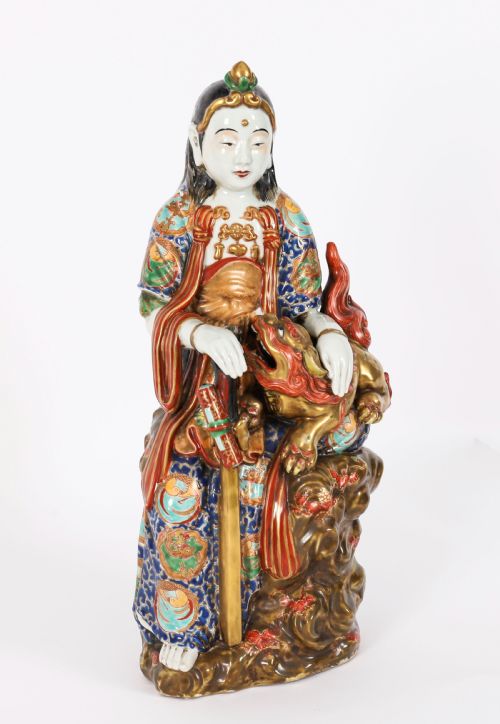
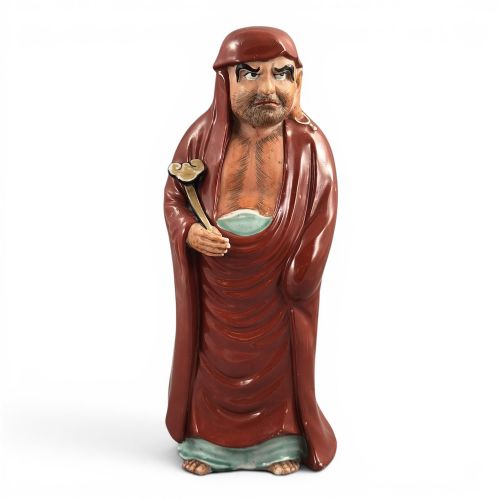
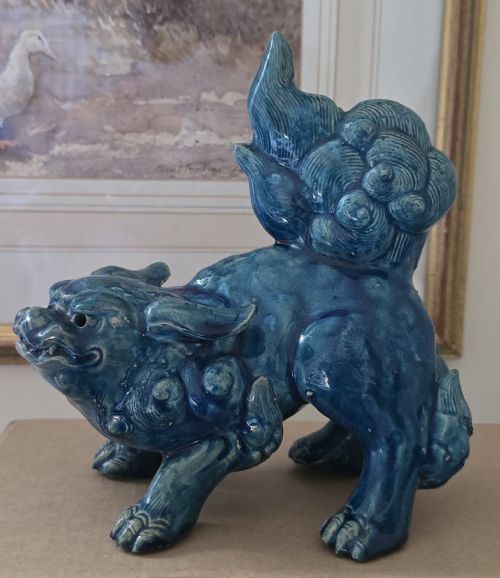
A meiji ceramic statue captures the rich sculptural traditions produced during a transformative era in Japanese history, spanning the nineteenth and early twentieth centuries. When searching for this phrase, buyers encounter a diverse selection of decorative figurines, Okimono, and sculptural representations of deities, animals, and historical figures. The versions most commonly met on this page include Kutani porcelain deities, Satsuma earthenware immortals, and glazed ceramic guardian lions.
The subjects range widely from Buddhist figures such as Kannon and Guanyin to secular subjects like Bijin and geisha girl figures. Many pieces depict mythological beings, including Daruma, Hotei, and Shishi lion dogs rendered in dynamic postures. These works bridge the gap between traditional Edo craftsmanship and the expansive decorative arts of the late Meiji period.
Materials and methods
Makers utilised a range of ceramic bodies, predominantly porcelain and earthenware, shaped into complex figural forms through skilled moulding and hand-modelling techniques. These structures were then finished with detailed glazes, enamels, and highlights of gold leaf.
Surface ornamentation often involved polychrome enamel painting, moriage relief work, and specialised turquoise or Imperial Satsuma crackle glazes. Kilns such as those at Kutani and Mikawachi applied distinctive regional palettes and firing methods that defined the final appearance of each sculpture.
The available selection includes diverse animal forms such as recumbent horses and guardian lion dogs alongside traditional human figures.
Assessing the execution
Quality in a meiji ceramic statue rests upon the crispness of the modelling and the precision of the hand-painted enamels. Finer examples display meticulous attention to facial expressions, drapery folds, and the delicate application of gold leaf and moriage details.
The sophistication of the glaze work also dictates the standing of a piece, with controlled colour application and well-defined kiln outputs separating masterworks from commercial wares. The presence of recognised workshop origins or identifiable artist signatures further elevates the standing of an individual sculpture.
Makuzu Kozan II·Mikawachi Kilns
The Meiji Ceramic Statue Glossary
- Okimono
- A Japanese ornamental statue or sculpture designed for display on a shelf or in a tokonoma alcove.
- Moriage
- A decorative ceramic technique using piped clay slip to create raised, textured patterns beneath the glaze.
- Shishi
- A traditional guardian lion or dog figure derived from Chinese Buddhist symbolism, frequently shown protecting sacred objects.
- Bijin
- A traditional depiction of a beautiful woman, commonly rendered in traditional dress within Japanese ceramic arts.
- Kutani
- A historic style of Japanese porcelain characterised by vibrant polychrome enamel palettes and extensive use of iron red and gold.
Meiji Ceramic Statue: Frequently Asked Questions
What is an okimono figure?
An okimono is a decorative Japanese sculpture intended for interior display rather than use in formal tea ceremonies or religious rituals.
These pieces were produced in various ceramic bodies to portray animals, deities, and daily life during the nineteenth century.
How do I identify a Meiji period piece?
Meiji period ceramics are typically identified by their specific combination of nineteenth-century stylistic traits, traditional Japanese subject matter, and regional glaze signatures.
Evidence on this page shows works incorporating Kutani porcelain, Satsuma earthenwares, and detailed polychrome enamel decoration dating from roughly eighteen-forty onward.
Where were these statues displayed?
In traditional Japanese interiors, such figures were placed within a tokonoma display alcove or used as prominent decorative ornaments in domestic spaces.
Western collectors during the late nineteenth and early twentieth centuries subsequently displayed them on mantelpieces and cabinets.
What are guardian lion dogs?
Guardian lion dogs, known as Shishi or Karashishi, are mythical beasts derived from Buddhist tradition that symbolize protection and prosperity.
Ceramic sculptors frequently rendered them with powerful stances, curly manes, and playful interactions with balls or cubs.