
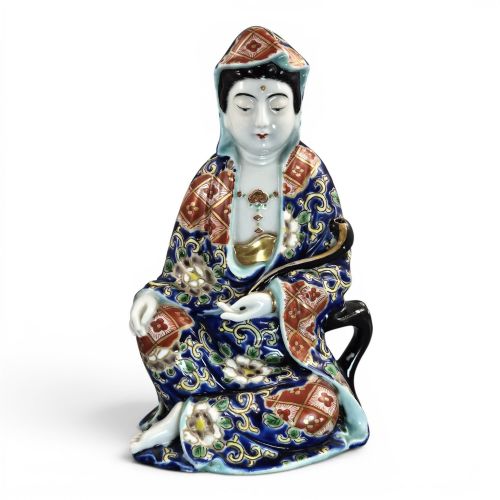


Polychrome Japanese Porcelain Figurine
These polychrome japanese porcelain figurine examples capture centuries of ceramic artistry, offering collectors intricate hand-painted deities, animals, and cultural figures.
Polychrome Japanese Porcelain Figurine
When you search for a polychrome japanese porcelain figurine, you encounter sculptural works representing traditional deities, courtesans, monks, and animals. The selection spans centuries of ceramic tradition, featuring historical pieces from the Edo period alongside Meiji and Taisho examples.
You meet various specific forms in the listings, including Satsuma okimono, Arita figures, and Kutani sculptures. These pieces often depict revered figures such as Jurojin, Daikoku, Hotei, and Jigoku Dayū with distinct cultural iconography.
The objects vary widely in scale and subject matter, ranging from monumental elephant okimono to detailed depictions of monks with attendants. Each piece reflects the specific aesthetic concerns of its manufacturing period, from 18th-century creations to Edwardian interpretations.
Materials and construction
The construction relies on fine ceramic bodies, predominantly porcelain and earthenware, shaped into complex figural compositions. Artisans shaped these clay bases by hand or mould before applying comprehensive decorative treatments.
Makers utilised polychrome enamels alongside gold leaf, gilt, and intricate glaze work to bring surface details to life. Relief techniques such as moriage added tactile dimension to the painted robes and symbolic elements.
Monks, gods of longevity, and dancing courtesans share shelf space with delightfully rotund ceramic elephants.
Assessing quality and execution
The complexity of the modelling dictates the ambition of the piece, particularly in large okimono and multi-figure compositions. Signed works by recognised makers demonstrate a higher level of sculptural refinement in the clay body.
Makuzu Kozan II·Kizan
The Polychrome Japanese Porcelain Figurine Glossary
- Okimono
- A Japanese term for a decorative object or sculpture intended for display in an alcove or on a shelf. These standalone figures often depict deities, historical personages, or animals with narrative detail.
- Moriage
- A ceramic technique involving the application of slip in raised dots or lines to create textured surface decoration. This technique frequently appears in Kutani and Satsuma wares to accentuate textile patterns.
- Satsuma
- A type of Japanese pottery with a pale, ivory-coloured cracked glaze that serves as a canvas for elaborate enamel and gilt painting. Production flourished during the Meiji period for both domestic and export markets.
- Imari
- A traditional style of Japanese porcelain characterised by a palette of underglaze blue, iron red, gold, and supplementary colours. The aesthetic originated in Arita and became widely influential in Western collections.
Polychrome Japanese Porcelain Figurine: Frequently Asked Questions
What is an okimono?
An okimono is a standalone decorative sculpture designed for interior display in traditional Japanese settings. These pieces portray mythological figures, everyday characters, or animals with considerable artistic detail.
Unlike utilitarian vessels, they exist purely for contemplation and aesthetic appreciation. Their subjects often carry symbolic meanings rooted in folklore, Buddhism, or Shinto traditions.
How do I identify Satsuma ware?
Satsuma ware is characterised by its distinctive crackle-glazed earthenware body, which provides a textured ground for detailed enamel painting. Most pieces feature generous amounts of gilding alongside complex polychrome scenes.
Many examples from the Meiji period carry maker or studio signatures on the base. The palette typically relies on earthy tones offset by bright highlights in gold leaf.
What is the Meiji period?
The Meiji period spans from 1868 to 1912, marking an era of rapid modernisation and artistic output in Japan. Craftsmen produced exceptional ceramics and metalwork tailored for international export.
Figurines from this era often display immense technical precision and ambitious scale. The period remains a focal point for collectors of decorative Japanese arts.
How should I clean these figurines?
Maintenance requires gentle dusting with a soft, dry brush to protect delicate enamel and gold leaf applications. Avoid using liquid cleaners or abrasive cloths, which can damage the fragile surface gilding.
Keep pieces away from direct sunlight and areas of high humidity to preserve the integrity of the glaze and pigments. Careful handling prevents chipping on protruding elements like robes and accessories.