


Meiji Period Porcelain Statue
A meiji period porcelain statue brings the storied figural arts of Japan into the home, capturing deities, animals and figures with remarkable detail.
Meiji Period Porcelain Statue
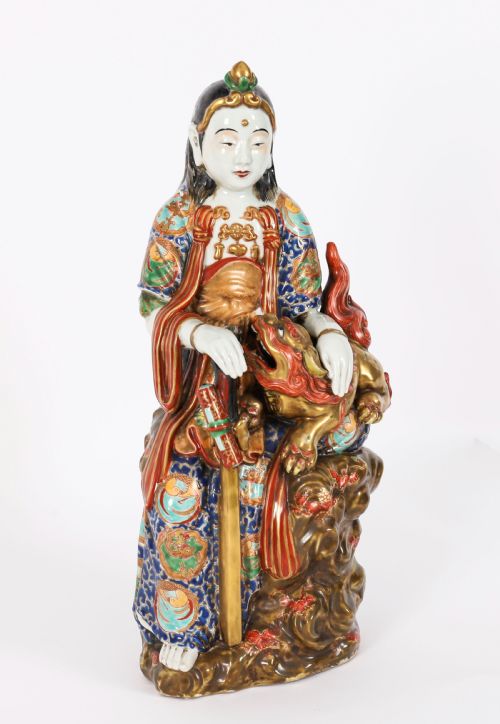
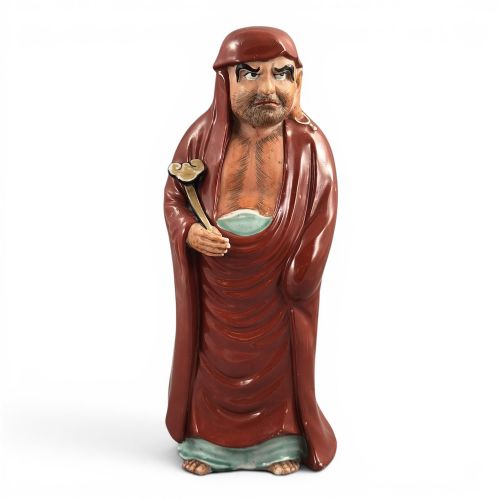
A meiji period porcelain statue encompasses figures and sculptures made during the late nineteenth and early twentieth centuries. These pieces portray traditional deities, Buddhist figures, revered figures like Daruma and Hotei, and natural subjects such as mandarin ducks and guardian lion dogs.
The selections encountered here frequently span styles including Kutani, Satsuma, Hirado, and Imari. Sculptures range from large okimono intended for display to intricate porcelain figurines depicting mythological and historical subjects.
Materials and methods
Makers utilised porcelain and earthenware bodies, often shaping figures through meticulous modelling at regional kilns such as those at Mikawachi. Surface decoration relies on polychrome enamel, cobalt underglaze, and delicate applications of gold leaf and moriage relief work.
Glazing techniques provide the finished pieces with varying sheens, from smooth translucent coats to rich coloured enamel layers. Firing processes demanded precise temperature control to achieve the stable vitrification seen in these sculptures.
The inventory includes figures created across the nineteenth and early twentieth centuries, spanning the late Edo to the Taisho periods.
Assessing quality
Quality rests in the crispness of the modelling and the finesse of the facial expressions on human and animal subjects. Sculptures demonstrating superior control over cobalt underglaze or detailed polychrome enamel work stand apart.
The precision of the Moriage relief work and the subtlety of the gilding application indicate the skill of the original workshop. Heavier or larger figures require advanced technical mastery during the kiln firing to prevent distortion.
Makuzu Kozan II
The Meiji Period Porcelain Statue Glossary
- Okimono
- A Japanese ornamental statue or figurine designed for display on a shelf or in a tokonoma alcove. These sculptures often depict deities, historical personalities, or animals.
- Kutani
- A style of Japanese coloured porcelain characterised by robust palettes and detailed overglaze enamel painting. Figures in this tradition frequently incorporate rich reds and greens alongside gold leaf.
- Moriage
- A decorative technique in Japanese ceramics where slip is piped onto the surface to create raised designs before glazing and firing. This adds a tactile, three-dimensional element to the porcelain statue.
- Bijin
- A traditional Japanese representation of a beautiful woman, often depicted in elaborate historical attire. These figures appear frequently in late nineteenth-century ceramic art.
- Karashishi
- A mythical guardian lion or dog symbolising protection and strength in East Asian tradition. Sculptors frequently render these creatures with dynamic postures and textured manes.
Meiji Period Porcelain Statue: Frequently Asked Questions
What is an okimono?
An okimono is a decorative object designed specifically for interior display rather than functional use. These pieces became prominent during the late nineteenth century as Japanese craftsmanship reached international markets.
Collectors prize them for their sculptural presence and narrative detail, often representing legendary figures, deities, or fauna.
How do I identify Kutani ware?
Kutani porcelain is readily recognised by its bold palette, which frequently relies on rich iron-reds, greens, purples, and blues. Many pieces incorporate intricate gilding over the glaze to highlight patterns and garments.
Figures from this tradition display a characteristic density and a strong emphasis on decorative surface storytelling.
Where were these statues made?
These sculptures originate from various regional kilns across Japan, including the Mikawachi kilns associated with Hirado porcelain. Different pottery centres developed distinct regional styles, glazing techniques, and colour preferences.
Local clays and kiln traditions heavily influenced the final appearance of each ceramic figure.
How should I display my sculpture?
Place your figure on a stable, flat surface away from direct sunlight and areas subject to sudden temperature fluctuations. Adequate lighting helps reveal the subtle details of the glaze and any gold leaf applications.
Ensure the display area allows the piece to be viewed from multiple angles, particularly for okimono modelled in the round.