





Gilded Glass Stopper
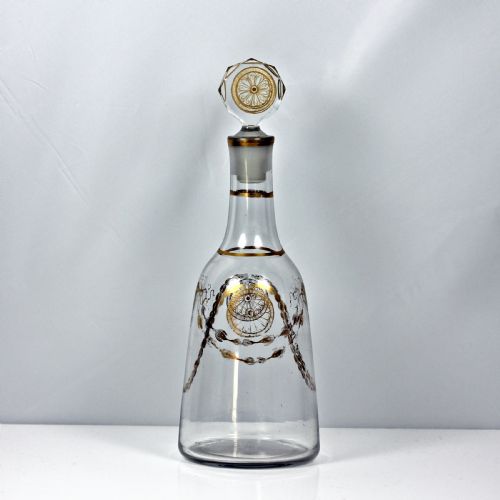
A gilded glass stopper finishes a decanter or jar with bright metallic detail, offering a flash of period luxury on the shelf.
Gilded Glass Stopper
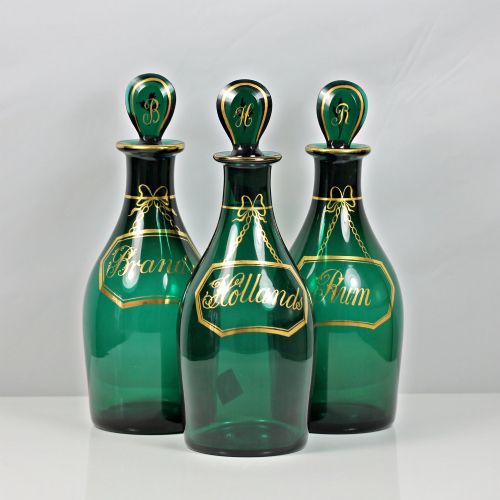
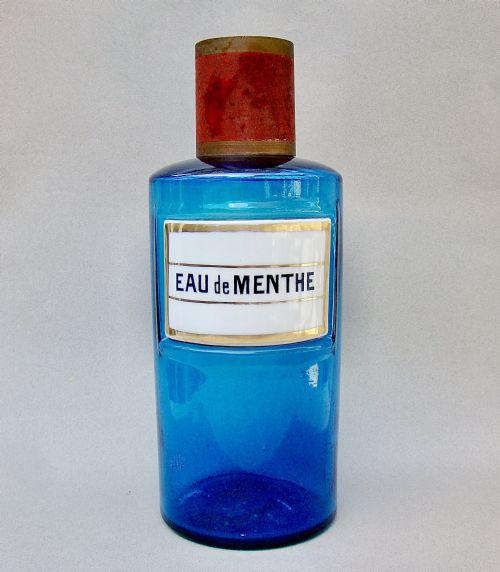
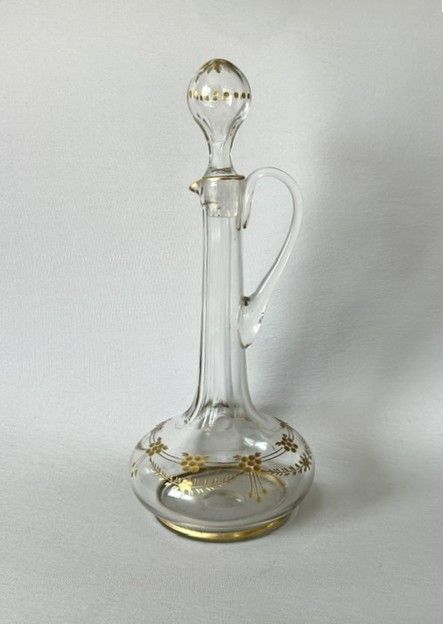
A gilded glass stopper completes glass vessels such as decanters, apothecary jars, and ewers across Georgian, Victorian, and later periods. These small closures turn functional bottles into display pieces for the table or cabinet.
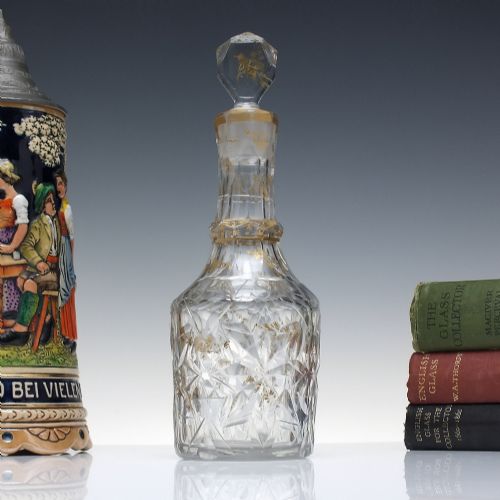
The versions most commonly met on this page emerge from English and European workshops, spanning clear, cobalt, ruby, and lead crystal glass. They appear both paired with their original decanters and as standalone elements like finials.
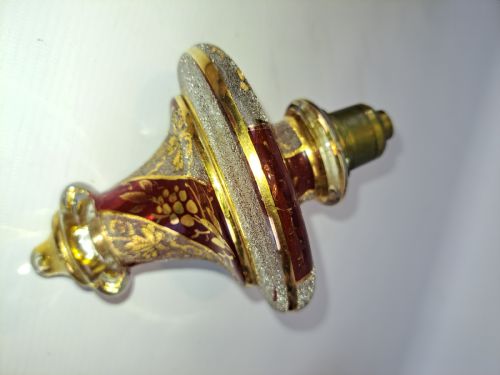
Makers applied gilding and enamel to enhance simple glass forms, creating contrasts between transparent material and gold leaf or gold gilt. This decorative treatment marks out pieces intended for formal dining rooms and apothecary displays alike.
How they were made
Artisans shaped lead crystal and clear glass through cutting and blowing techniques before applying gold leaf or gold gilt details by hand. Etched and enamelled decorations frequently accompanied the gilding to build up complex surface patterns.
Coloured glass variations, including cobalt and ruby examples, required precise mineral additions to the molten batch prior to shaping and surface painting. Workshops then fixed the gold and enamel layers through firing.
Gilded Glass Stopper Retail Price Guide 2026
Typical asking prices for gilded glass stopper among the pieces listed under this phrase on Sellingantiques today, from the lower quarter to the upper quarter. They describe what is for sale here now, not the wider market.
What varies in quality
The crispness of the glass cutting and the precision of the hand-painted gilding distinguish finer examples from standard production pieces. Stronger objects display secure gold adhesion and balanced proportions that fit the neck of the vessel precisely.
Artistic execution in the enamelling and etching adds depth to the better items, showing careful control of the brush and wheel. The choice of base glass, such as heavy lead crystal or rich coloured glass, also elevates the visual weight of the piece.
The Gilded Glass Stopper Glossary
- Gilding
- The application of gold leaf or gold gilt to a non-metallic surface to create a decorative metallic finish. This technique highlights raised facets and etched lines on glass stoppers.
- Lead crystal glass
- A heavy, clear glass containing metallic oxide that increases brilliance and weight. It provides a durable base for cutting and subsequent gilding.
- Decanter
- A vessel designed for holding and serving wine or spirits, usually fitted with a matching stopper. These bottles sit on the dining table or sideboard.
- Apothecary jar
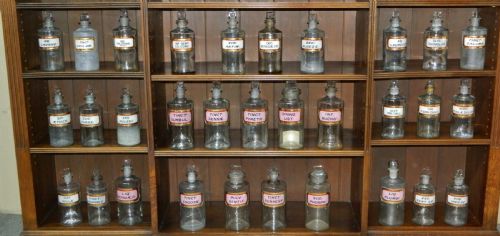
- A lidded or stoppered container originally used in pharmacies to hold dry or liquid medicines. Many surviving examples feature glass bodies with painted or gilded labels.
- Ewer
- A large jug with a wide spout and a handle, often paired with a matching stopper or cover. They served practical and decorative functions in period interiors.
Gilded Glass Stopper: Frequently Asked Questions
What is a gilded glass stopper?
A gilded glass stopper is a decorative glass closure adorned with gold leaf or gold gilt, designed to seal bottles and decanters. They serve as both practical plugs and ornamental details.
These items appear in various forms, from simple geometric shapes to elaborate faceted finials on Georgian and Victorian glassware.
How were these stoppers used?
Stoppers were placed in the necks of decanters, carafes, and apothecary jars to keep air out and preserve the contents. In domestic settings, they sealed wine and spirits on the dining table.
In pharmacies, similar glass stoppers sealed chemical bottles and tincture jars to protect volatile substances from contamination.
How do I care for gilded glass?
Clean gilded glass gently by hand using warm water and a mild detergent, avoiding abrasive cloths or harsh chemicals that can lift the gold. Dry the surface softly with a lint-free cloth.
Store the pieces securely where they will not roll or suffer impacts, as the stopper joints and delicate gilding are vulnerable to sharp knocks.
How do I identify a Georgian stopper?
Georgian glass often exhibits heavy lead content, hand-cut facets, and distinct pontil marks on the base where the glassblower's iron was snapped off. The gilding and enamel work on these pieces typically reflect neoclassical or rococo design themes.
Examining the weight, clarity, and wear patterns helps distinguish these eighteenth-century examples from later nineteenth-century reproductions or standard glass.