

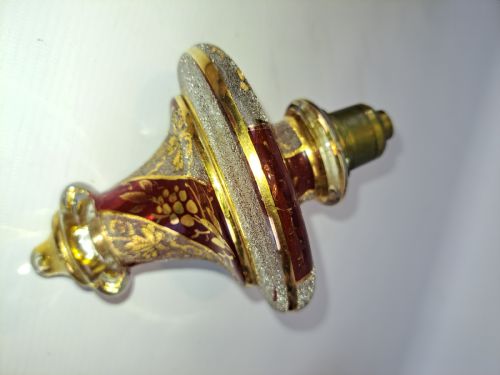


Bohemian Glass Stopper
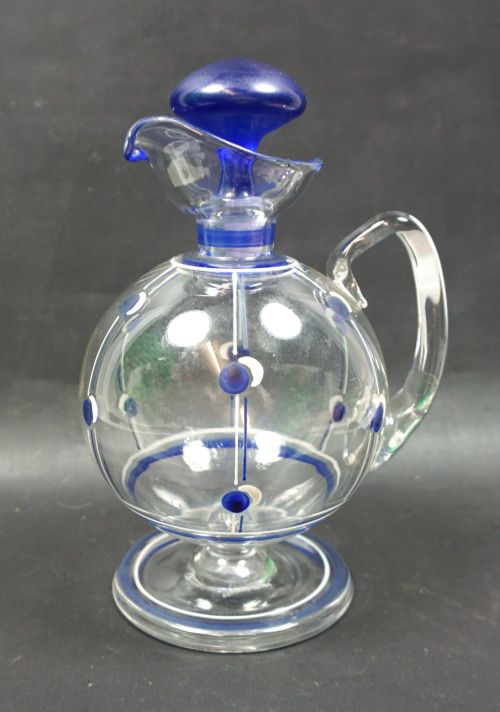
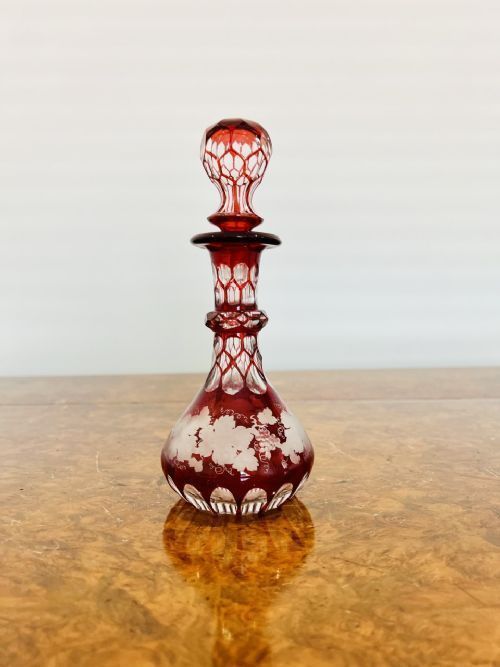
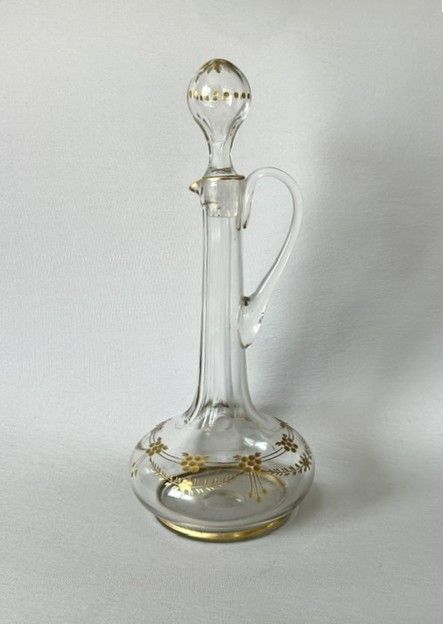
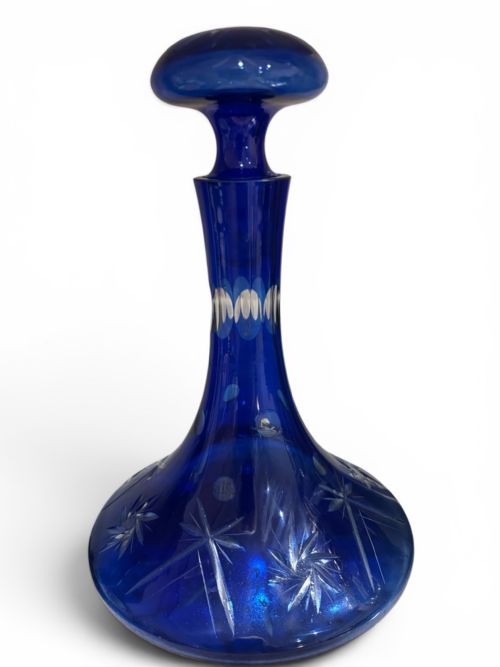
A bohemian glass stopper completes a vessel with coloured, cut or enamelled detail from centuries of European craftsmanship.
Bohemian Glass Stopper
When you search for a bohemian glass stopper, you encounter closures designed for decanters, perfume bottles, scent bottles, and ewers. These pieces originate from periods spanning the eighteenth, nineteenth, and twentieth centuries, including Victorian and Art Deco eras.
The objects take the form of decanters, spirit bottles, finials, and jugs originating from Bohemia and Czechoslovakia. They serve both functional sealing purposes and decorative roles within historical glassware collections.
How they were made
The creation of these items involves glassblowing and crystal moulding, shaping molten material into vessels and matching stoppers. Makers then applied techniques such as wheel-cutting to achieve faceted surfaces and sharp relief.
Decoration relied on hand-painting with coloured enamels and applying gold gilt highlights. Etching and overlay techniques produced layered colour effects, particularly seen in ruby and cranberry glass pieces.
Bohemian Glass Stopper Retail Price Guide 2026
Typical asking prices for bohemian glass stopper among the pieces listed under this phrase on Sellingantiques today, from the lower quarter to the upper quarter. They describe what is for sale here now, not the wider market.
The listings span periods from seventeen-eighty through the Art Deco era of nineteen-thirty, covering Victorian and folk art styles.
What varies in quality
The distinction between tiers rests upon the precision of the glass cutting and the refinement of the painted enamel decoration. Finer examples display crisp faceting, deep colour saturation, and securely matched stoppers.
Design complexity and the integration of precious metals like gold gilt separate standard production items from masterworks. The artistic execution of etched motifs and figural or floral enamel work dictates the standing of the piece.
Karl Palda
The Bohemian Glass Stopper Glossary
- Opaline glass
- A semi-translucent glass, often white, popular in the eighteenth and nineteenth centuries for decorative vessels. It provides a smooth, porcelain-like ground for enamel painting.
- Overlay glass
- A technique involving layers of different coloured glass fused together, where the outer layer is partially cut away to reveal the contrasting colour beneath.
- Finial
- An ornamental crowning feature at the top of a stopper or vessel lid. It provides a tactile grip and finishes the silhouette of the piece.
- Enamel decoration
- Opaque glass paints fused to the surface of the vessel through firing. It allows for intricate polychrome designs and patterns.
Bohemian Glass Stopper: Frequently Asked Questions
What is a bohemian glass stopper used for?
These stoppers seal decanters, perfume bottles, and spirit ewers to preserve the contents inside. They act as the matching closure that completes the silhouette of the glass vessel.
Beyond simple function, they serve as decorative elements displaying the cut glass, enamel, or gilt work characteristic of their maker.
How do I date a glass stopper?
Dating relies on examining the glass colour, cutting style, and decorating technique. Eighteenth-century pieces often feature opaline glass and delicate enamel detail, while Victorian items show heavy ruby glass or overlay methods.
Twentieth-century examples frequently adopt Art Deco geometric forms, sometimes associated with specific workshops in Czechoslovakia from the nineteen-thirties.
How should I display these glass items?
Place them on stable surfaces away from direct sunlight to protect the enamel and coloured glass from fading. Ensure decanters and bottles sit clear of shelf edges where their stoppers might be knocked.
Good lighting from the side highlights the cut crystal facets and the depth of cobalt or ruby glass.
Are stoppers original to their bottles?
Many pieces retain their original matching stoppers, shaped and ground to fit the specific neck of the vessel. Close inspection reveals whether the glass colour, wear patterns, and cutting style align between the bottle and the closure.
Finding a matched set adds historical integrity to decanters and perfume bottles from the Victorian and earlier periods.