



Gilded Glass Carafe
A gilded glass carafe brings weight and shimmer to a table, combining polished clarity with bright metallic detail.
Gilded Glass Carafe
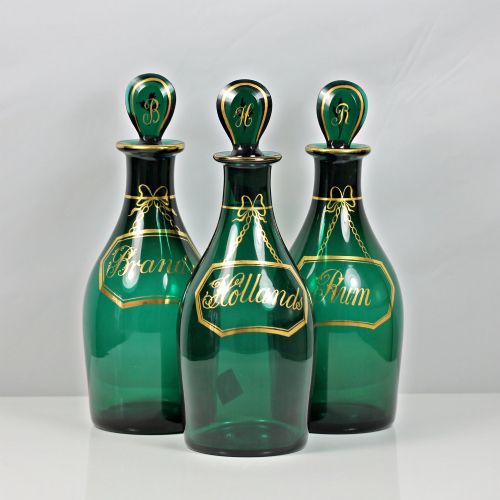
A gilded glass carafe encompasses table vessels designed for water, wine, and spirits, spanning Georgian, Victorian, and later periods. These pieces serve practical functions while displaying decorative metalwork applied directly to the body or rim.
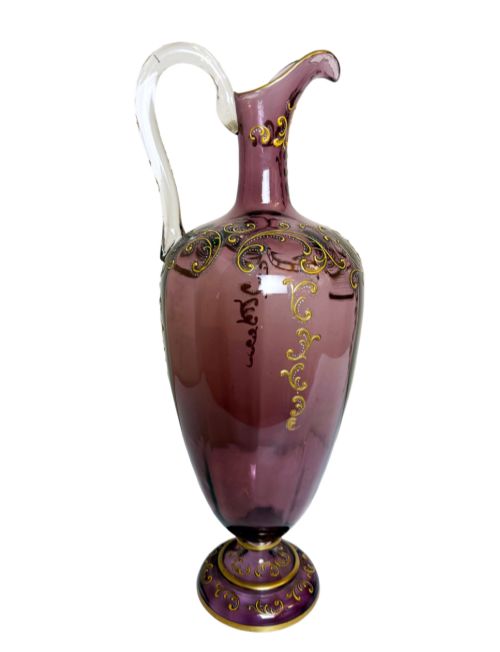
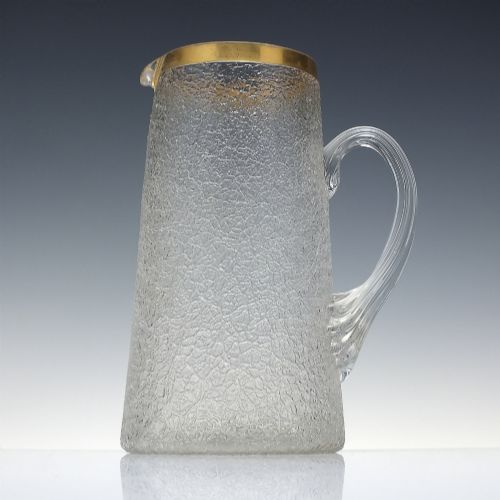
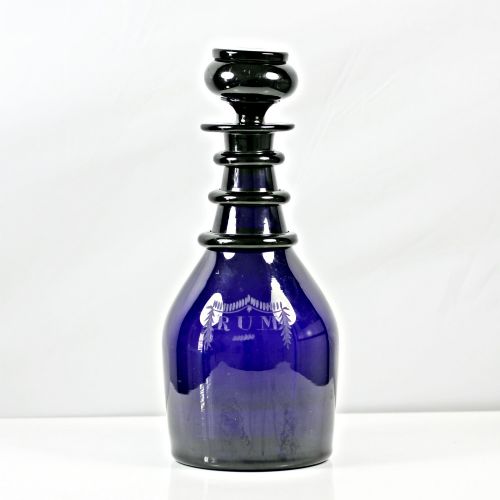
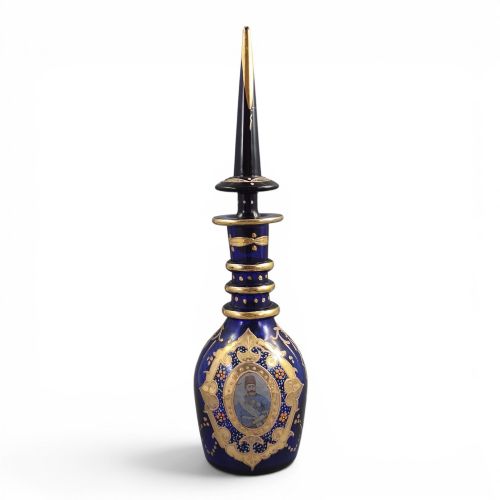
You will encounter forms ranging from heavy lead crystal decanters and tall overshot water jugs to cobalt and violet blown glass pitchers. Many examples reflect specific regional aesthetics, such as Bohemian export wares produced for the Persian market.
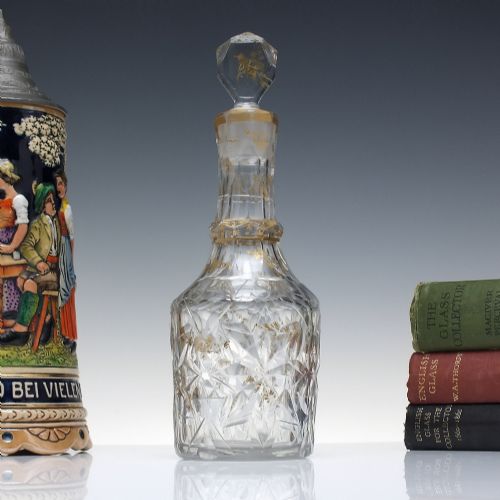
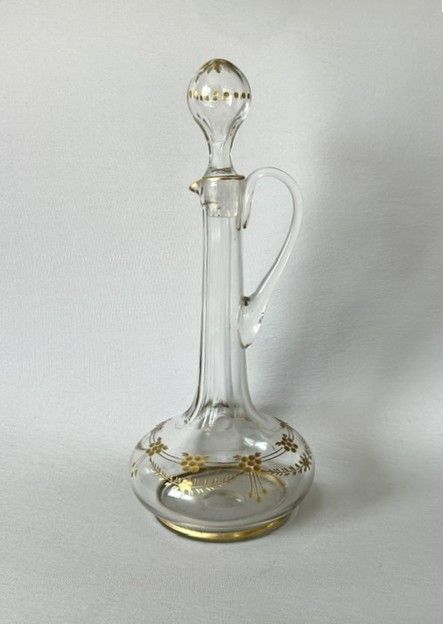
The objects listed here include wine carafes, rum and whiskey decanters, and ewers featuring hand-painted gilt applique, enamel decoration, and cut glass facets. Each piece demonstrates the intersection of functional glassware and ornate surface ornamentation.
Materials and construction
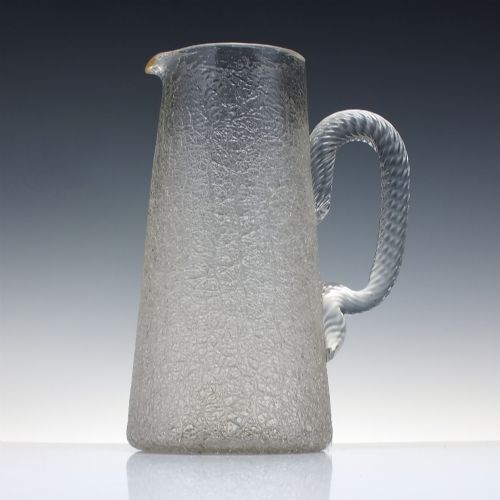
Glassmakers shaped these vessels using free-blowing and mold-blowing techniques, utilising clear, lead crystal, and coloured metals such as cobalt and violet glass. Overtexturing appears in styles like overshot glass, creating a distinctive frosted or spun surface.
Workers applied gold leaf, gold gilt, and enamel by hand to rims, handles, and body panels, often securing the metal through firing. Surface enrichment frequently includes hand-painted motifs and engraved detailing alongside deep geometric cutting.
Gilded Glass Carafe Retail Price Guide 2026
Typical asking prices for gilded glass carafe among the pieces listed under this phrase on Sellingantiques today, from the lower quarter to the upper quarter. They describe what is for sale here now, not the wider market.
Listings feature vessels from the Georgian era through to 1900, incorporating materials such as lead crystal, cobalt glass, and gold leaf.
Assessing quality and execution
Quality rests in the weight and clarity of the glass blank, whether heavy lead crystal or finely blown coloured metal. Superior pieces maintain crispness in their cut facets and precise proportions in their handles and pouring lips.
The application of gold leaf and enamel dictates visual success, distinguishing careful hand-painted gilt work from simpler linear gilding. Preservation of the original metallic brilliance across centuries indicates careful handling and superior initial adherence.
Atelier of James Giles
The Gilded Glass Carafe Glossary
- Gold leaf
- Beat gold reduced to an extremely thin tissue, applied to glass surfaces for decorative effect. It creates a flat, reflective metallic finish.
- Overshot glass
- A technique where fine threads of glass are trailed across the hot surface of a vessel to create a textured, icy veil. This method adds tactile grip and visual depth.
- Enamel
- Opaque or translucent vitreous composition fused to glass through heat, providing coloured decoration. It frequently accompanies gilding on nineteenth-century pieces.
- Cobalt glass
- Deep blue glass coloured by the addition of cobalt oxide during the melting process. It forms a rich ground for contrasting gold leaf and enamel.
- Lead crystal glass
- Heavy, high-clarity glass containing lead oxide, allowing for deep cutting and sharp light refraction. It provides a resonant ring when struck.
Gilded Glass Carafe: Frequently Asked Questions
How do I care for antique gilded glass?
Wash these pieces gently by hand using lukewarm water and mild soap, avoiding abrasive sponges that can damage fragile gold leaf and enamel. Dry them immediately with a soft cloth to preserve the surface.
Keep them away from direct heat sources and harsh chemicals to protect the historic glass and metallic decoration.
How can I tell the period of a carafe?
Examine the weight, colour, and cutting style of the glass, as Georgian pieces often feature deep hand-cutting while Victorian examples display diverse colours and applied enamels. Pontil marks on the base and the wear patterns on the gilding also offer clues to age.
Stylistic markers, such as the distinct blue of Bristol glass or the patterns of Bohemian export ware, help narrow down the manufacturing decade.
Are these carafes safe for daily use?
While structurally sound, antique glass with hand-applied gold leaf requires careful handling and is best reserved for occasional serving or display. Modern dishwashers and chemical detergents will strip the historic gilding.
Many collectors prefer to exhibit them as decorative objects rather than risking wear on the delicate enamel and gold work.