


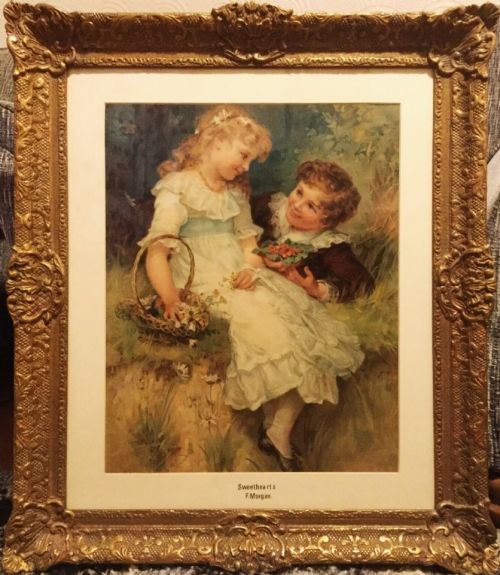
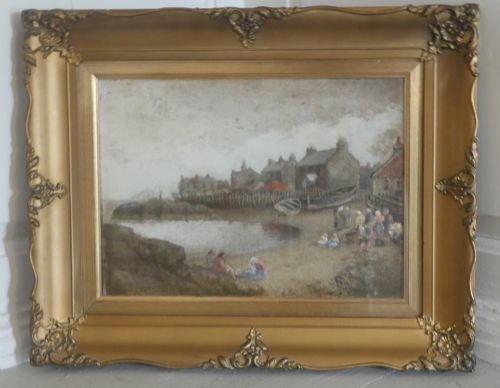
Gilded Framed Picture
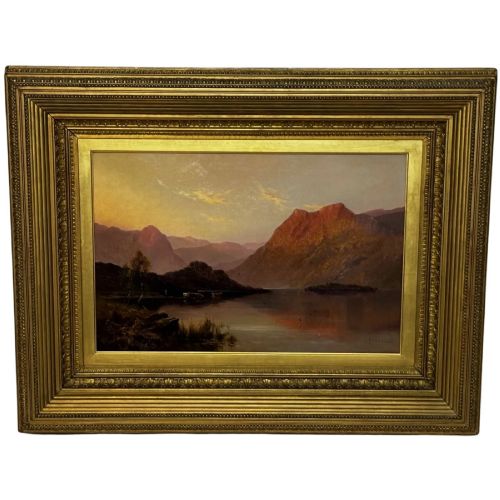
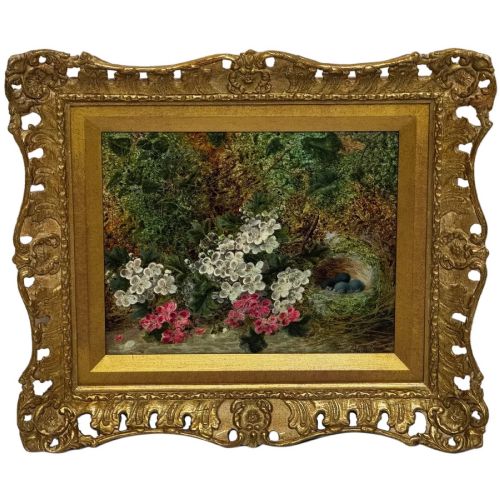
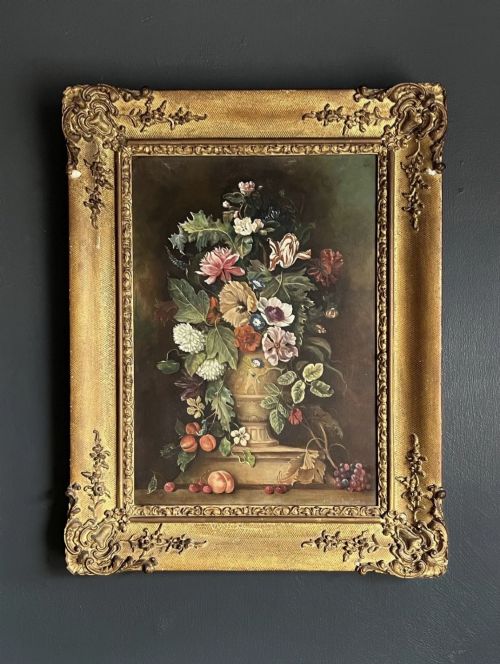
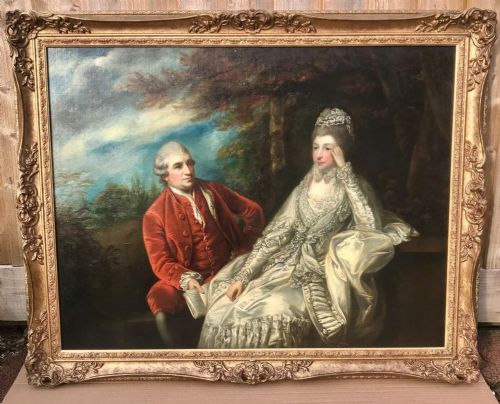
When you search for a gilded framed picture, you are looking at centuries of portraiture and landscape set in gold leaf and carved gesso.
Gilded Framed Picture
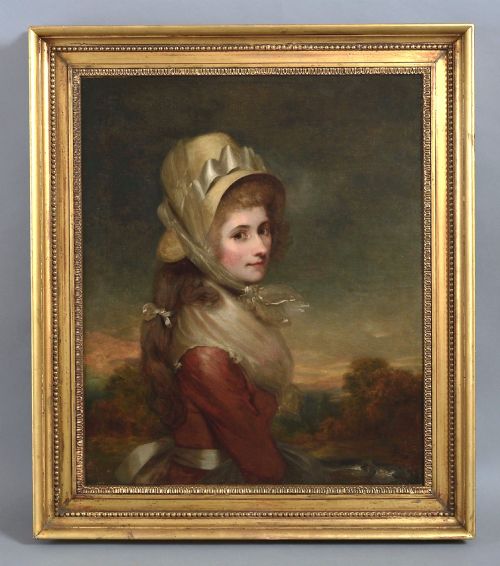
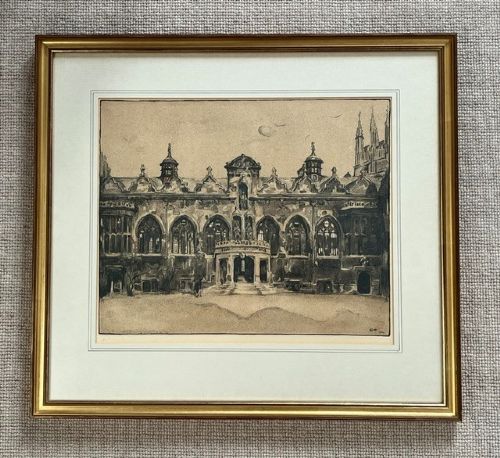
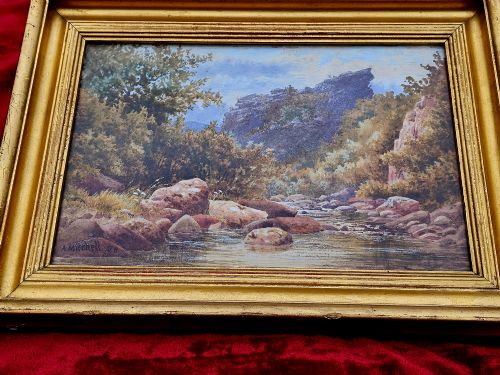
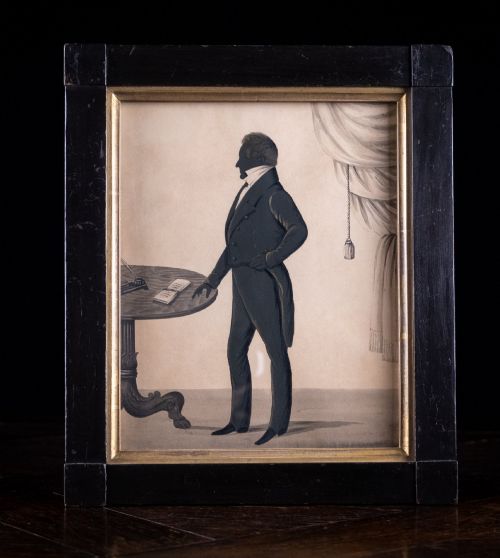
A gilded framed picture brings together historical artworks and ornate surrounds, spanning centuries from the 18th century through the Victorian era to the mid-20th century. These pieces appear as oil paintings on canvas and wood panels, watercolours, reverse glass mezzotints, and lithographs housed within substantial timber frames.
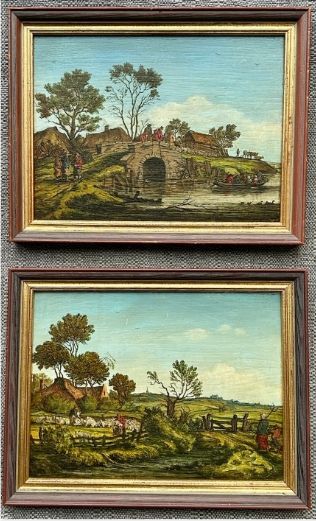
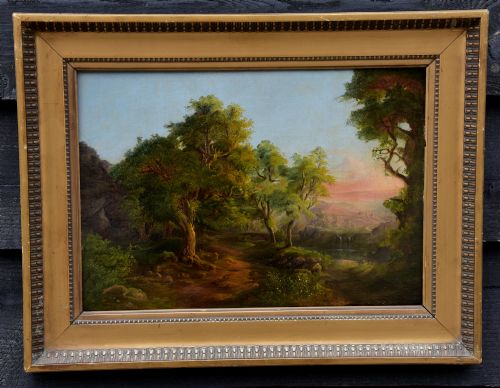
The selection ranges from grand oil portraits and Dutch flower studies to landscape watercolours and architectural prints. Most examples encountered on this page belong to the 19th century, alongside Georgian works and later 20th-century interpretations.
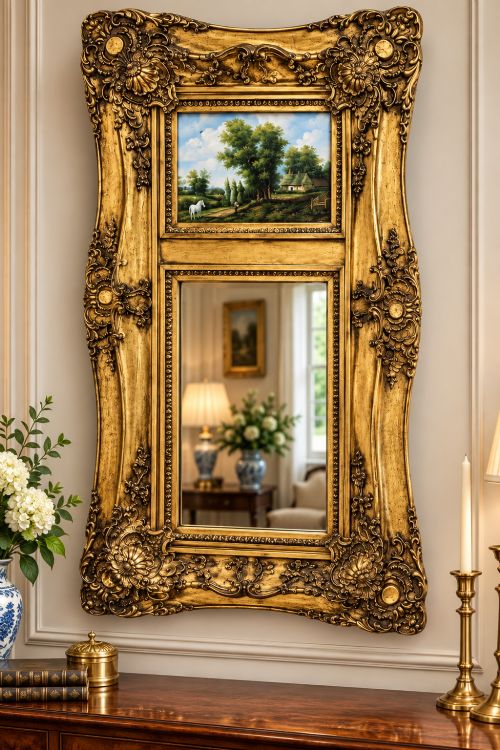
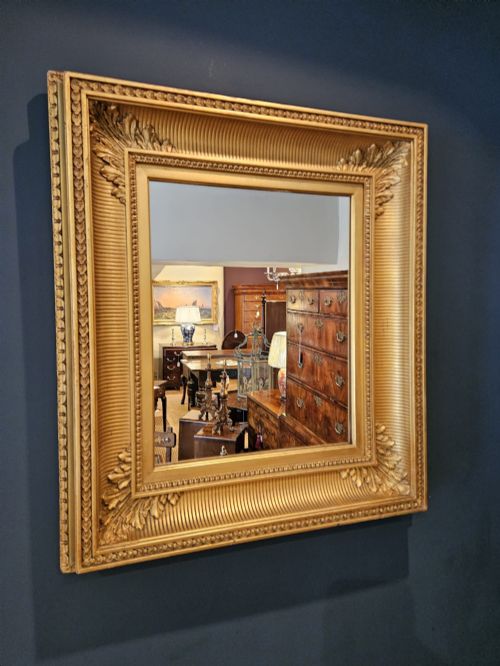
The enclosing surrounds vary from deep Victorian gilt frames and acanthus leaf mirror mouldings to carved Florentine designs. Each combination reflects the aesthetic preferences of periods such as the Dutch Golden Age style, Rococo Revival, and British Impressionism.
How they were made
The structural foundations of these objects rely on timber, canvas, glass, and paper support bases for the artwork. Wood and gesso form the primary elements of the heavy surrounds, providing a stable base for decorative surface treatments.
Makers applied gold leaf and gilt finishes over gesso and wood mouldings to create the reflective metallic surfaces characteristic of these frames. Artistic techniques encompass oil on canvas, oil on wood panel, watercolours on paper, and printed media.
Carving and relief work on the frames utilise traditional hand-tool methods to achieve detailed ornamentation, such as acanthus leaf motifs. Surface preparation on the picture supports involves priming canvases and preparing wooden panels before the application of pigments.
Listings feature works spanning the 17th, 18th, 19th, and 20th centuries, utilising oil on canvas, wood panels, watercolours, and printed media.
What varies in quality
The depth and intricacy of the frame carving distinguish finer examples from simpler mouldings, with hand-carved gesso work demonstrating superior craftsmanship. The richness of the gold leaf application and the preservation of the original gilt surface dictate the visual impact of the surround.
Within the artwork itself, the handling of paint, the precision of draughtsmanship, and the execution of the composition separate studio works from routine decorative pieces. The harmony between the artwork and its specific frame, where the surround complements the period and style of the picture, influences the integrity of the whole object.
Sir Godfrey Kneller·Sir Martin Archer Shee·Sebastiaan Vrancx·W Klombeck·Sir William Nicholson·A. Mitchell·Alfred Fontville de Breanski Jr·Oliver Clare·Frederick Morgans·Edward Mills·Stephen Samuel Lewin·Sir Joshua Reynolds·David Bates·Gian Paolo Pace·Alfred Lyndon Grace·P. Ruiz·Anton Weiss·Robert Thorne Waite·Samuel Dixon·Sir John Gilbert·Joseph H Barnes·Johannes Lingelbach·John Hodgson Lobley·Henrietta Rae·Harold Clayton
The Gilded Framed Picture Glossary
- Giltwood
- Wood that has been coated with gold leaf or a gold-coloured finish. This material is standard for ornate picture frames across the 18th and 19th centuries.
- Gesso
- A plaster-like mixture applied to wood frames to create a smooth surface for gilding and carving. It allows craftsmen to model intricate relief details.
- Mezzotint
- A printmaking process of the intaglio family where the image is worked from dark to light. It yields rich tonal graduations well suited for portraiture.
- Oleograph
- A type of chromolithographic print textured to imitate an oil painting. These appear frequently in later 19th and 20th-century domestic interiors.
- Basso-rilievo
- Low relief sculpture where the figures project only slightly from the background plane. Samuel Dixon employed this technique for his decorative pictures.
Gilded Framed Picture: Frequently Asked Questions
How do I hang a heavy gilded framed picture?
Heavy frames require secure wall fixings, such as sturdy picture hooks screwed directly into wall studs or appropriate masonry plugs. Using strong picture wire attached firmly to D-rings on the frame back ensures the weight distributes evenly.
Because many 19th-century frames utilise dense timber and thick gesso, checking the stability of the hanging hardware before mounting is essential for safety.
Are these oil paintings original works?
Many listings feature original hand-painted works on canvas, wood panel, or board by named and regional artists. Other pieces comprise period prints, watercolours, and oleographs produced in subsequent decades.
Examining the listing details clarifies whether a specific item is a unique painted composition or a secondary print representation.
How should I clean a giltwood frame?
Giltwood frames require gentle maintenance using a soft, dry brush or feather duster to remove surface dust. Avoiding moisture and chemical cleaners prevents damage to the delicate gold leaf and gesso layers.
Professional restoration is advisable if the gilt surface shows flaking or structural instability.
What period do most of these frames belong to?
The majority of these pieces originate from the 19th century, encompassing Victorian and Edwardian manufacturing styles. Earlier Georgian examples and mid-century 1960s items also appear within the selection.
Frame styles often align with the prevailing revival movements of their time, such as Rococo Revival or Renaissance Revival.