






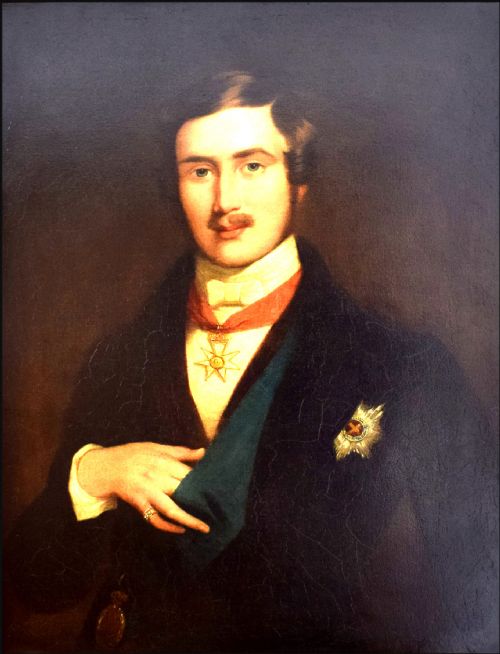


Royal Family Artwork
Royal family artwork brings centuries of monarchs and their households into the home through oils, watercolours and prints.
Royal Family Artwork
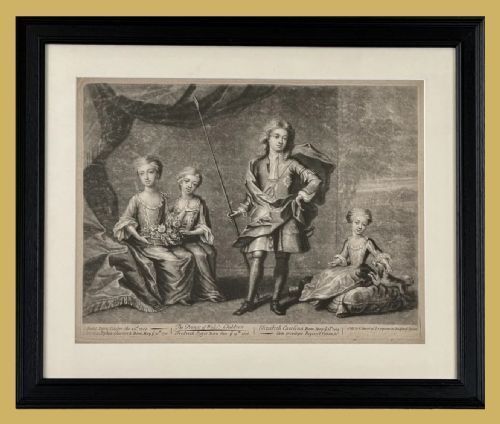
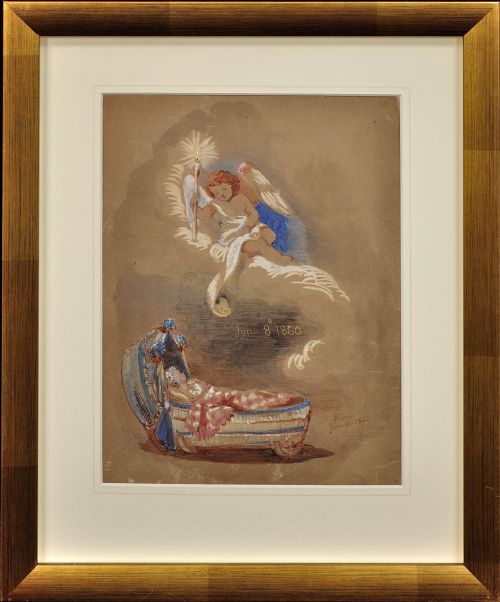
Royal family artwork spans centuries of portraiture and representation, capturing British and European sovereigns alongside their relatives in varied media. You encounter monarch depictions ranging from early Georgian mezzo-tints and Victorian watercolours to mid-century oil paintings of twentieth-century rulers.
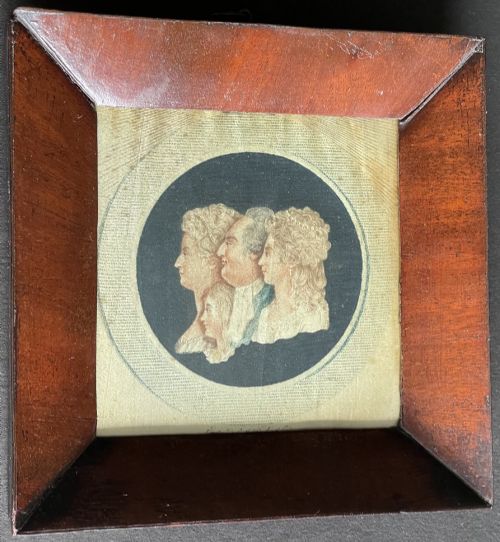
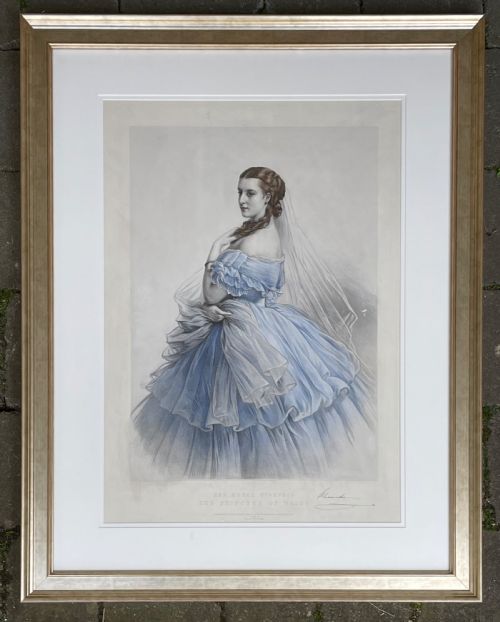
The selections on this page highlight both formal state portraiture and intimate family records. Pieces include framed silhouettes, lithographs on paper, and detailed oil paintings set in period timber frames.
Subjects stretch from King Henry VIII and Louis XVI to Queen Victoria, King George VI, and Prince Philip. These works function as historical documents and visual records of dynastic lineage.
Materials and construction
These works rely on traditional fine art mediums, predominantly oil on canvas, delicate watercolour, ink, and printed paper or silk. Artists applied pigments to canvas, paper, or treated fabric to record likenesses of court figures.
Framing forms an integral part of the physical object, utilising woods such as mahogany and stepped oak, frequently paired with glass to protect fragile surfaces like watercolours, prints, and silhouettes.
Royal Family Artwork Retail Price Guide 2026
Typical asking prices for royal family artwork among the pieces listed under this phrase on Sellingantiques today, from the lower quarter to the upper quarter. They describe what is for sale here now, not the wider market.
Listings feature works spanning from the eighteenth century through to the mid-twentieth century, executed in oil, watercolour, paper, and mahogany.
Assessing quality in royal portraits
Quality rests upon the skill of the execution and the directness of the artistic attribution. Works by known royal portraitists or Royal Academy exhibitors display superior handling of likeness, drapery, and facial expression compared to anonymous studio copies.
The integrity of the original framing and the preservation of the medium dictate the desirability of a piece. Intact presentation plaques, original wood frames, and unblemished canvas or paper surfaces elevate the standing of the work.
Princess Alice Maud Mary·George Smith·Geoffrey Mortimer·Kershaw Schofield·John Laviers Wheatley·Alexander Melville·Sir William Charles Ross
The Royal Family Artwork Glossary
- Mezzotint
- A printmaking process of the intaglio family, where the plate is roughened to produce rich dark tones and subtle gradations of light. This technique allows for remarkably smooth tonal transitions ideal for portraiture.
- Silhouette
- A solid shape of a subject, usually a profile, filled in with a single colour, most often black. These were cut from paper or painted on card during the eighteenth and nineteenth centuries.
- Lithograph
- A planographic printing process utilising a flat stone or metal plate. The image is drawn with a greasy substance so that ink is repelled from the blank areas during printing.
- Order of the Garter
- The senior order of British chivalry, founded by Edward III. It appears in royal portraiture as badges, blue sashes, or distinctive insignia worn by monarchs.
- Conversation piece
- An informal group portrait, typically depicting a family or circle of friends engaged in conversation or domestic activities. These compositions offer a more relaxed view of subjects compared to formal state portraits.
Royal Family Artwork: Frequently Asked Questions
How do I date a royal portrait?
Dating relies on the costume worn by the royal subject, the artistic style of the period, and any inscribed dates or makers' signatures on the canvas or frame.
Additional clues come from framing techniques and labels attached to the reverse of the wood support.
What is a silhouette conversation piece?
A silhouette conversation piece is a framed arrangement featuring profile portraits cut from paper or painted to record family groups.
These domestic items were popular for capturing likenesses before the widespread use of photography.
Are these works original paintings or prints?
The selection includes both original creations and historic reproductions. Listings explicitly differentiate between oil paintings, watercolours, lithographs, and printed silk objects.
Examining the surface through glass reveals brush texture or printed dot patterns.
How should I display antique paper and silk artwork?
Fragile materials like paper, silk, and watercolour require protection from direct sunlight to prevent fading of pigments and degradation of the fibres.
Displaying them in stable indoor environments away from excessive moisture preserves both the art and its original frame.