




Gilded Framed Fine Art
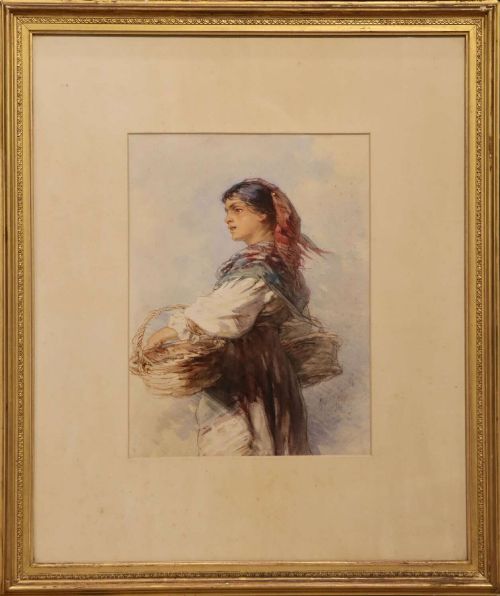
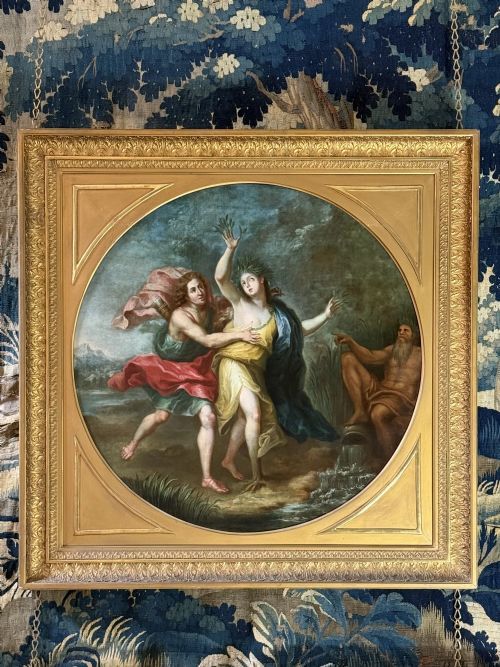
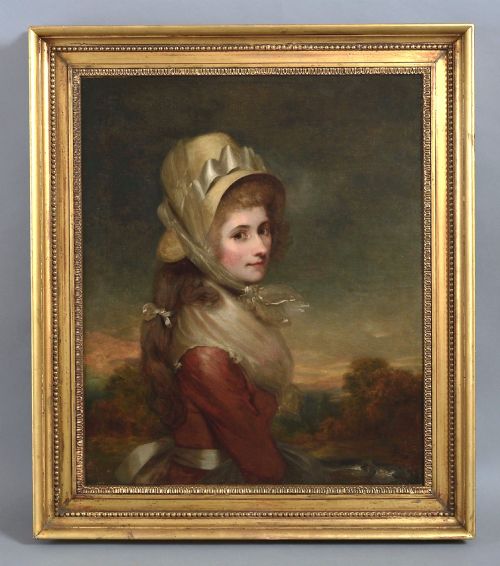
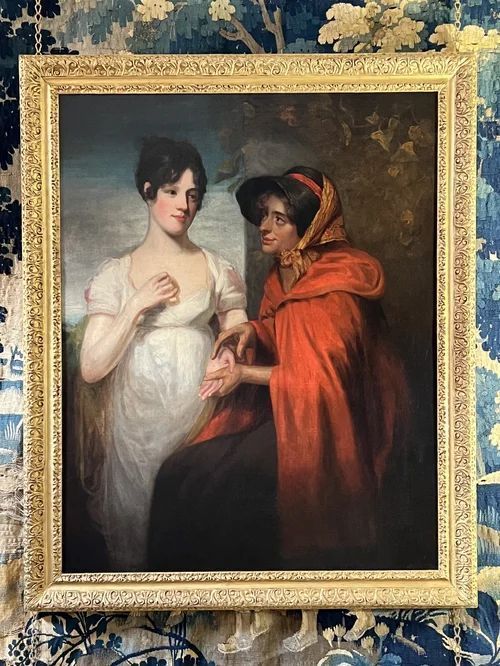
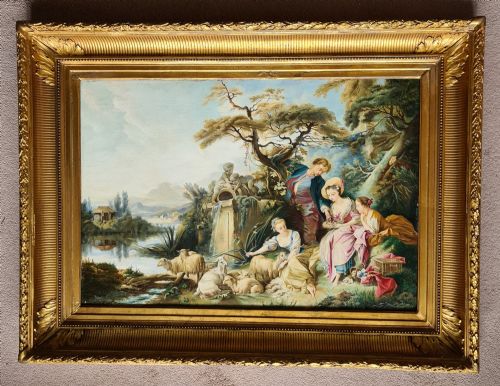
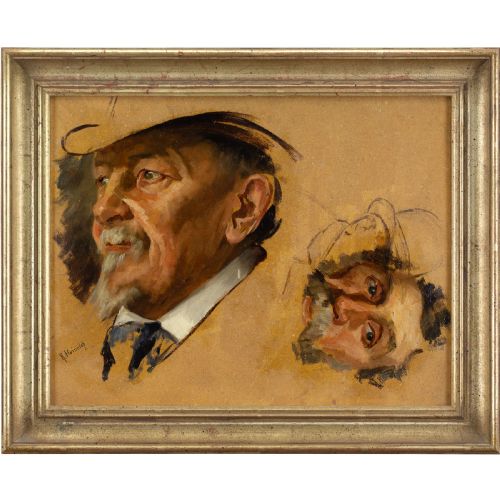
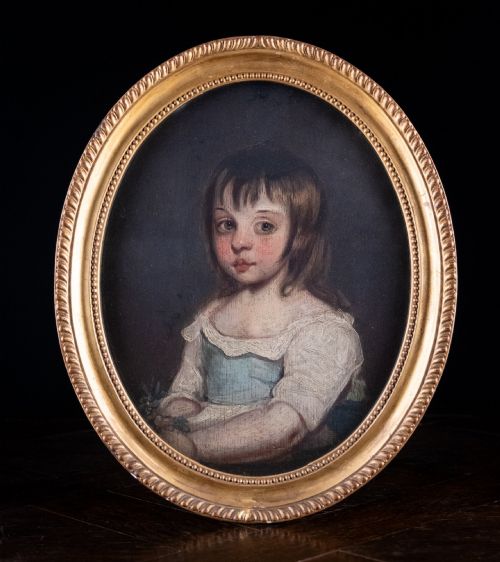
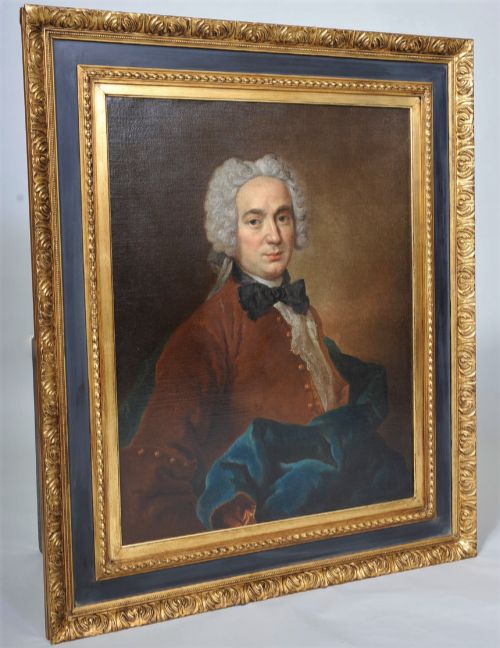
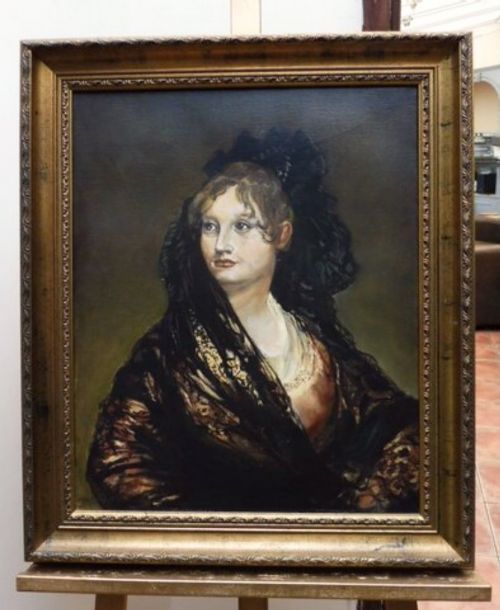
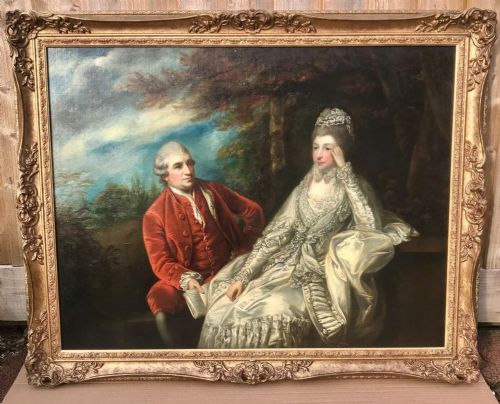
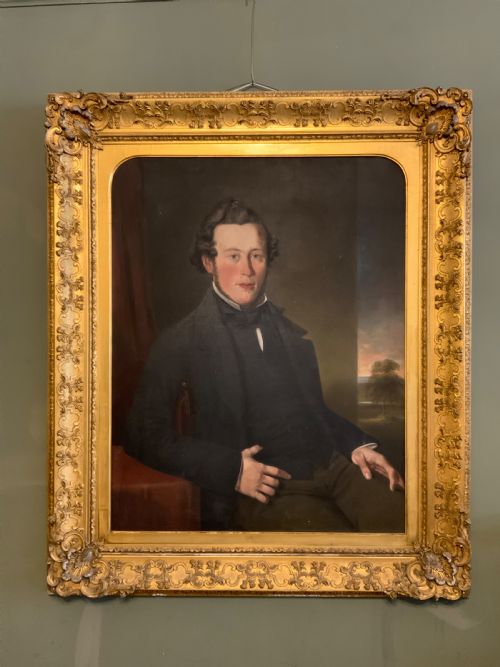
These pieces of gilded framed fine art bring historic portraiture, classical mythology and atmospheric landscapes into a room through oil on canvas, wood and reverse glass.
Gilded Framed Fine Art
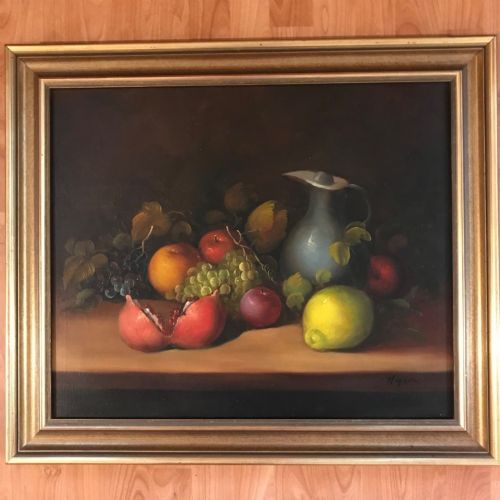
Gilded framed fine art comprises oil paintings, portraits, genre scenes and landscapes produced across the seventeenth, eighteenth, nineteenth and twentieth centuries. Buyers seeking this category encounter framed artworks ranging from Dutch old masters and Regency portraiture to Edwardian floral studies and French rococo interpretations.
The objects take the form of oil paintings on canvas, panel or board, alongside reverse glass coloured mezzotints and framed drawings. Subjects span grand tour landscapes, noble sitters, still lifes and mythological narratives set within decorative enclosures.
Originating from British, Dutch, Italian, Spanish and French schools, these pieces reflect the aesthetic priorities of periods including the baroque, neoclassical and Victorian eras. Most examples rely on the enduring appeal of traditional painted canvases paired with ornamental borders.
How They Were Made
Makers built these works using oil paint applied to prepared canvas, wood panel or board, often supported by stretcher frames. Canvases received layers of pigment to build depth in skin tones, drapery and background shadows.
The surrounding borders utilise materials such as giltwood, gesso and gold leaf over a wooden base. Craftsmen carved floral motifs, scrolls and classical details directly into the wood or moulded them in gesso before applying thin sheets of gold leaf.
Several noble sitters gaze across the centuries wearing elaborate seventeenth-century lace collars.
What Varies in Quality
The standard of a painting rests upon the precision of brushwork, the handling of light and shadow, and the psychological depth captured in portraiture or the atmospheric clarity in landscape scenes. Stronger examples demonstrate confident anatomical rendering and harmonious pigment distribution.
The quality of the frame depends on the crispness of the carved details within the gesso and giltwood, alongside the preservation of the original gold leaf surface. Synchronised design between the artwork and its enclosure indicates a higher level of historical integration.
Charles Antoine Coypel·Joseph Clover Ra·Sir Martin Archer Shee·Sebastiaan Vrancx·John Opie Ra·Joshua Reynolds Pra·Francois Boucher·Maurice of Nassau·Francisco Jose de Goya·Charles James Fox·Gabriel Mathieu·Alfred Pollentine·John Lubschitz·Sir John Gilbert Ra
The Gilded Framed Fine Art Glossary
- Giltwood
- Wood that has been coated with gold leaf or gold paint for decorative effect. This finish provides a reflective border that catches natural light in domestic interiors.
- Gesso
- A paint mixture consisting of a binder mixed with chalk, gypsum or pigment used to prepare surfaces for gilding. It allows craftsmen to carve intricate relief patterns before applying gold leaf.
- Oil on Canvas
- Pigment mixed with drying oil applied to a stretched woven fabric support. This combination offers flexibility and allows artists to blend colours smoothly over time.
- Old Master
- A term for a European artist of high skill working before about eighteen hundred. These painters established foundational compositions and techniques studied by later generations.
- Mezzotint
- A printmaking process of the tonal method where the image is worked from dark to light. It achieves subtle gradations of shadow and light without using line hatching.
Gilded Framed Fine Art: Frequently Asked Questions
How do I hang heavy gilded frames?
Heavy frames require secure wall fixings anchored directly into masonry or wooden studs using appropriate brackets and picture wire rated for the weight.
Position the artwork at eye level to ensure the painted surface receives balanced ambient light without excessive glare from nearby windows.
What lighting suits oil paintings best?
Warm LED picture lights mounted above the frame highlight the pigment details and metallic sheen without emitting damaging ultraviolet rays.
Keep pieces away from direct sunlight to prevent the oil paint from fading and to protect the underlying canvas and wooden stretcher from temperature fluctuations.
How do I identify a nineteenth century frame?
Nineteenth century frames often feature moulded composition ornament applied over a wooden substrate, displaying deep cavetto profiles and rich gold leaf layers.
Examining the corner joints and the back of the wooden frame reveals construction techniques typical of Victorian workshop practices.
Can I clean the gilded surface?
Dust the giltwood frame gently using a soft, dry brush to remove particles without disturbing the delicate gold leaf or gesso relief work.
Avoid using liquid cleaners or abrasive cloths, as moisture and friction can permanently strip the metallic finish from the wood.