


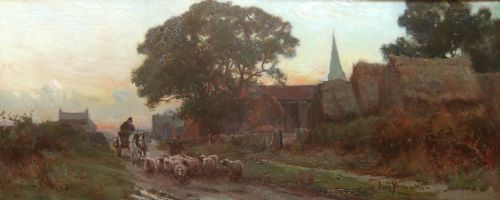

Framed Rustic Landscape
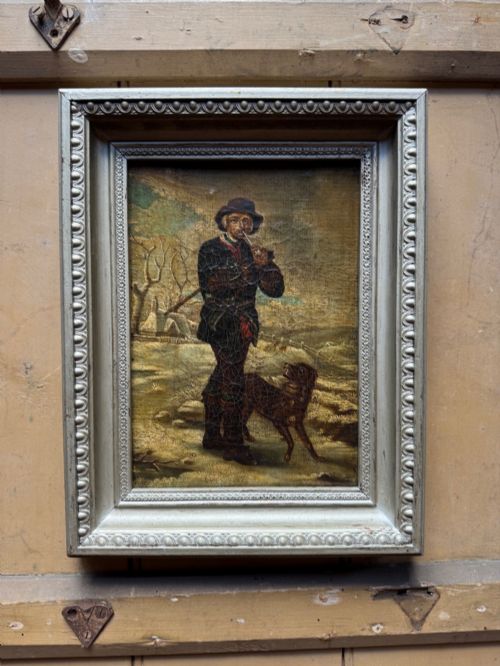
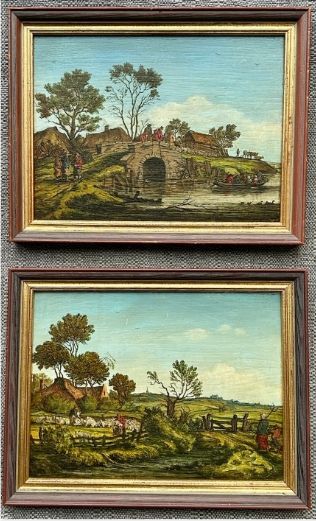
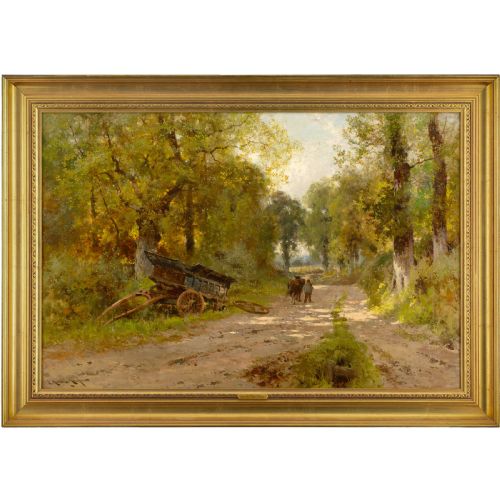
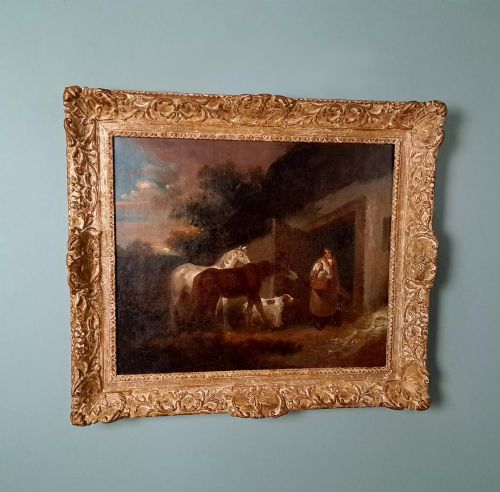
A framed rustic landscape brings the character of the countryside indoors through pastoral scenes rendered in oil and watercolour.
Framed Rustic Landscape
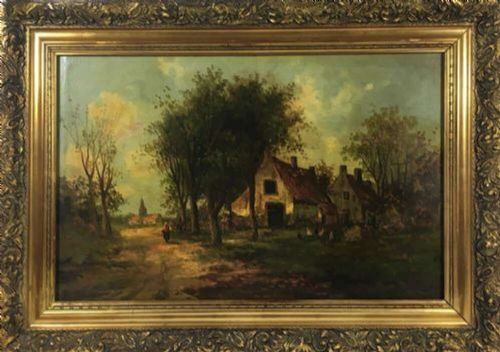
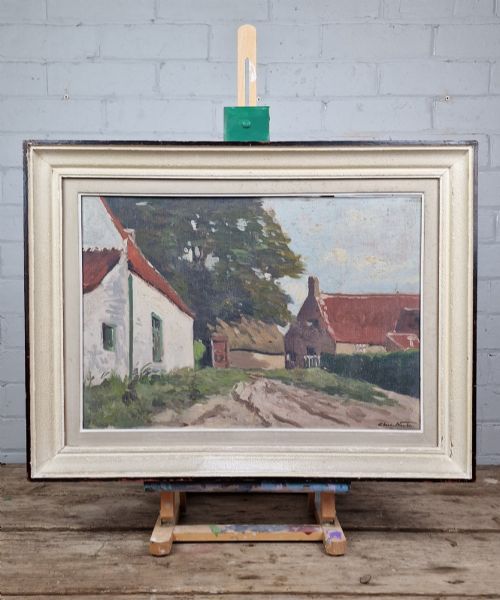
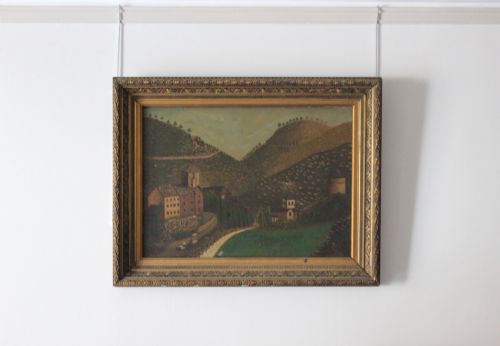
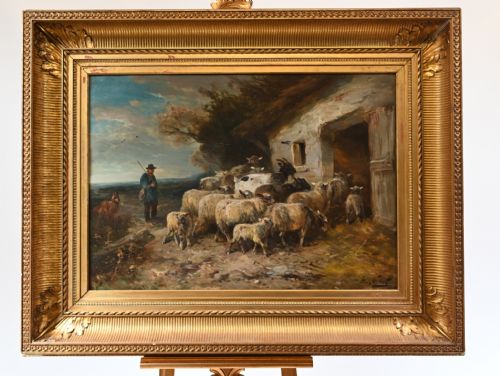
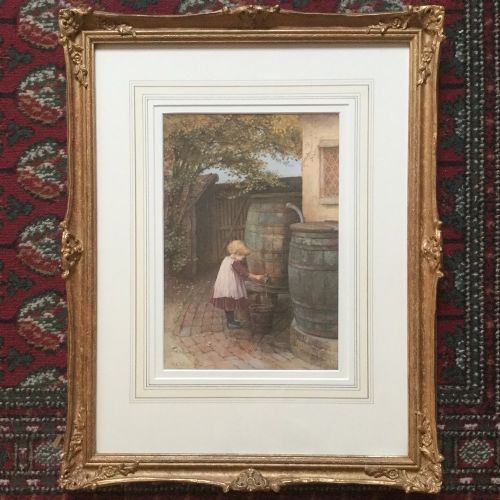
A framed rustic landscape captures rural life, featuring pastoral views, farmyards, and cottages set within period frames. The pieces on this page span several centuries, including Victorian, Edwardian, and Georgian eras.
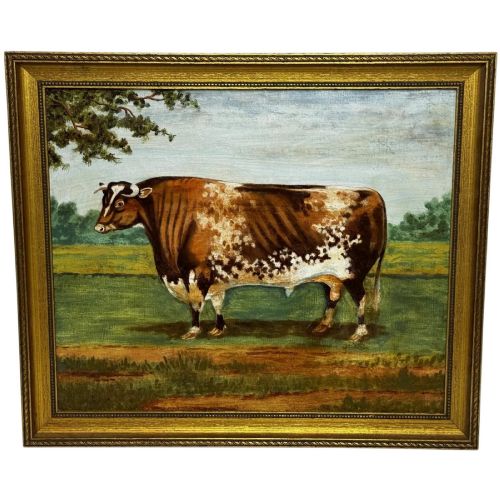
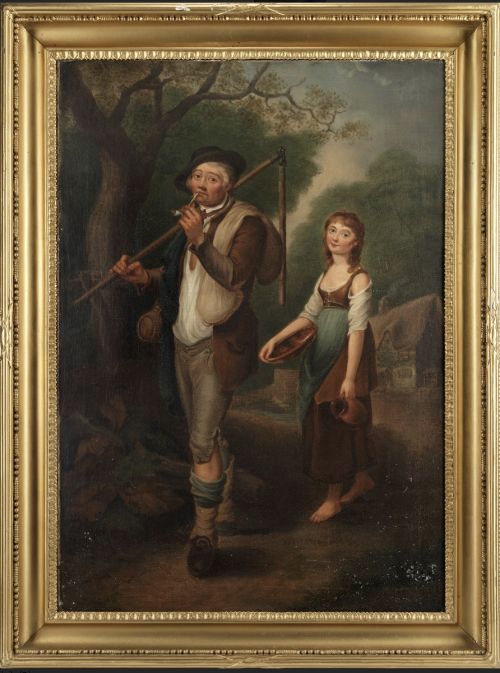
Buyers will encounter oil paintings on canvas, board, and wood panels alongside watercolours and shadow box art. These works range from primitive depictions to British and continental realism.
Subject matter often includes agricultural scenes, shepherds with flocks, and quiet country waterways. Many works reflect the hand of named artists and regional schools from the nineteenth century.
Materials and Technique
Artists painted primarily with oil paint on canvas, paper, wood panels, or board, while others utilised watercolour on paper. Canvas supports were occasionally laid onto board for stability in older works.
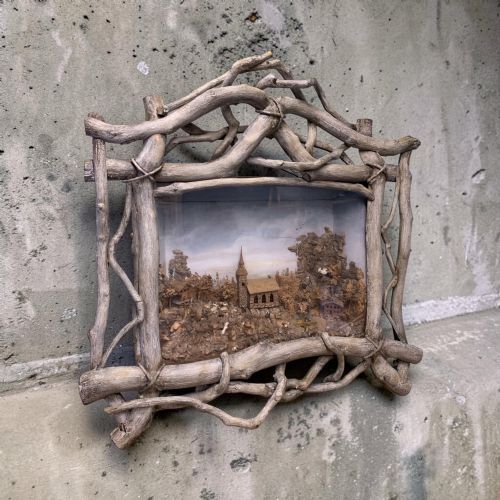
Frames are constructed from wood, frequently embellished with gesso and giltwood to create ornate borders that complement the pastoral subject matter. Dioramas employ unconventional organic materials like cork and twigs within dedicated wooden surrounds.
The selection includes nineteenth-century realism, Victorian pastoral scenes, and twentieth-century English countryside views.
Judging Quality
Quality rests upon the handling of light, brushwork fluidity, and the anatomical accuracy of figures and livestock within the composition. Stronger works display confident draughtsmanship and depth that draw the eye into the horizon.
The relationship between the artwork and its frame dictates visual harmony, where period-appropriate giltwood enhances the presence of the painting. Finer execution shows in the nuanced rendering of atmospheric conditions such as eventide or summer light.
W Klombeck·John Horace Hooper·William Joseph Shayer Senior·Charles Houben·Miles Birkett Foster·Henry Schouten·George Morland·Charles Edward Wilson·Owen Bowen·John Constable·John Bell·W.E. Evans·Rosa di Tivoli·Philipp Peter Roos·Henry E Hobson·Henry John Yeend King·Andre de Moller·John Atkinson·Charles Vickers·R. Palnay·John Wright Oakes·Ralph Dorrance·JOHN HENRY DELL·PAUL JONES·THOMAS JAMES LLOYD
The Framed Rustic Landscape Glossary
- Oil on board
- Pigment mixed with a drying oil medium applied to a rigid wooden or composition panel. This support offers a stable surface favoured by nineteenth-century painters for smaller plein air studies.
- Giltwood
- Timber carved and coated with gold leaf or a metallic substitute. It provides a reflective, ornate border common on period picture frames.
- Watercolour
- Paint consisting of pigment suspended in a water-soluble vehicle. It produces translucent washes on paper that capture delicate light effects in landscape subjects.
- Shadow box art
- A glass-fronted recessed box containing a three-dimensional display. Pieces often utilise organic materials like cork and twigs to build dimensional rustic scenes.
- Pastoral
- A genre of art depicting the rural countryside, farms, and shepherd life. These scenes idealised the simplicity of agricultural existence.
Framed Rustic Landscape: Frequently Asked Questions
What periods do these paintings come from?
The works span from the eighteenth century through the Victorian and Edwardian eras into the twentieth century. Many pieces date specifically to the nineteenth century, reflecting the popularity of pastoral realism during that period.
Styles range from Georgian and Victorian realism to British impressionism and post-impressionism. Each era brings distinct framing techniques and methods of depicting rural life.
How should I hang a framed rustic landscape?
These works suit traditional living spaces, studies, or dining rooms where natural textures complement the decor. Ensure the piece hangs at eye level away from direct sunlight to protect the canvas or watercolour pigments.
The weight of the frame, particularly giltwood or shadow box designs, requires secure wall fixings. Pair the wood tones of the frame with existing furniture to anchor the room's aesthetic.
What is a shadow box art diorama?
A shadow box diorama uses a deep, glass-fronted frame to enclose a three-dimensional scene built from various materials. Cork and twigs often form the physical landscape within these enclosed displays.
This format offers a tactile alternative to flat oil paintings while maintaining a rustic country theme. They represent a distinct type of nineteenth-century wall art.
How do I identify a watercolour from an oil painting?
Watercolours feature translucent washes on paper, often showing the texture of the sheet beneath the pigment. They are typically displayed under glass to protect the delicate water-soluble medium.
Oil paintings present a thicker, textured surface of paint applied to canvas, wood panels, or board. Oils exhibit a greater depth of colour and generally do not require glass protection.