
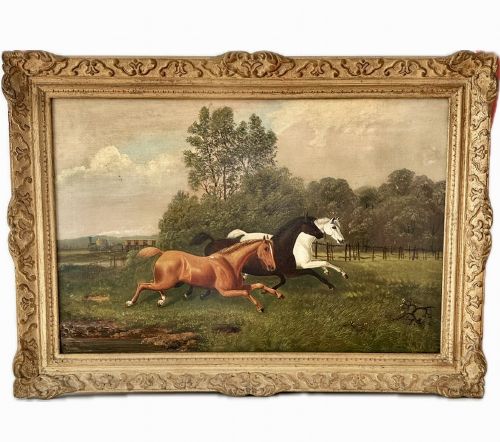

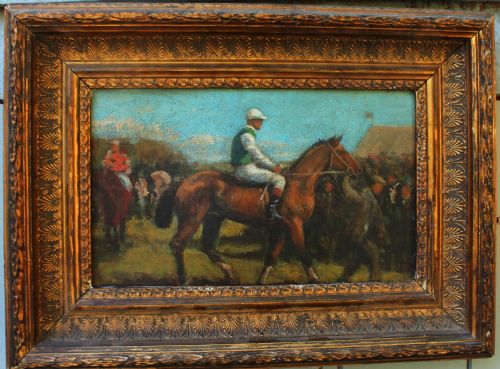


Gilded Framed Equestrian Painting
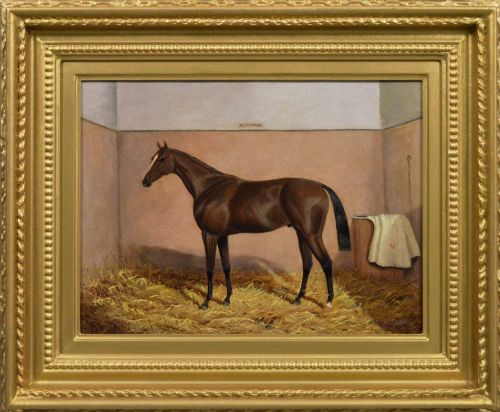
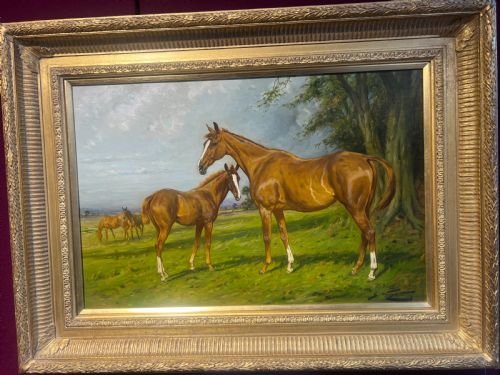
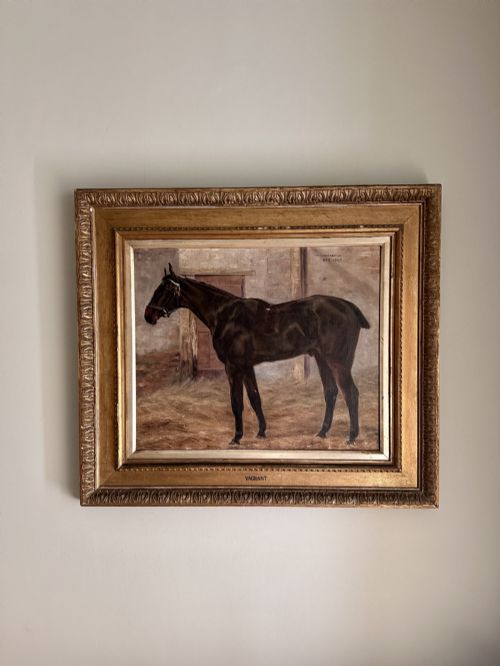
A gilded framed equestrian painting captures the vitality of horses and the sporting life within period frames of gilt wood.
Gilded Framed Equestrian Painting
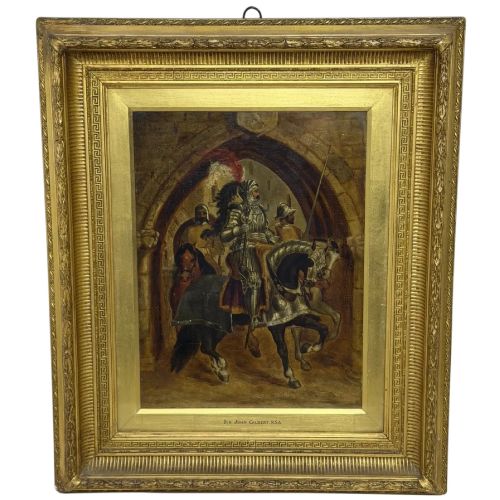
A gilded framed equestrian painting brings together oil on canvas and oil on board depictions of horses, hunting scenes, and coaching life. These works emerge largely from the nineteenth century, including Victorian and Edwardian periods, alongside earlier seventeenth and eighteenth-century examples.
Buyers encounter individual horse portraits, stable interiors, and dynamic rural landscapes featuring hounds and riders. The selection ranges from signed nineteenth-century canvases to watercolours and mid-century British studies housed beneath glass.
The dominant format centres on oil paint applied to canvas, secured within decorative giltwood frames. Many pieces record specific named racehorses, coaching routes, and rural farmyard scenes with horses and cattle.
Materials and technique
Artists built these compositions primarily using oil paint on stretched canvas or wooden panels, applying pigment to capture the texture of horse coats and pastoral landscapes. Watercolours on paper also appear, protected beneath glass.
The surrounding frames consist of wood finished with applied gold leaf or gilt, creating the characteristic gilded borders recorded across the period.
Equine subjects range from named nineteenth-century racehorses to farmyard scenes with horses, pigs, and poultry.
Distinctions in execution
Quality rests upon the artist's ability to render equine anatomy accurately and convey movement within the landscape. Works by documented nineteenth-century sporting painters demonstrate finer brushwork in the depiction of horse muscle, coat sheen, and canine companions.
The craftsmanship of the original giltwood frame contributes significantly to the integrity of the piece. Intricate mouldings and untouched original gilding elevate the presentation compared to later replacements.
Albert Clark·Sir John Gilbert RA·George Wright·Fred Fitzpatrick·Edward Priestley·C R Breytle·Alfred Munnings·Harry Freckleton·John Frederick Herring Jnr·Abraham Cooper·George E Sharpe·Edward Brice Stanley Montefiore·Edwin Frederic Holt·Alexander Maclean·Samuel Henry Alken·Isaac Cullin·Robert Cleminson·James Barenger·John Charles Maggs·Allan Gwynne-Jones·Godfrey Douglas Giles·Frank Dadd·Richard Wilson·Thomas Blinks·Philips Wouwerman
The Gilded Framed Equestrian Painting Glossary
- Oil on Canvas
- Pigment mixed with drying oil applied to a woven fabric support stretched across a wooden frame. This medium allowed artists to build rich colour depths and subtle tonal gradations.
- Giltwood
- Timber carved and coated with gold leaf or metallic paint. It provides the ornate, reflective border typical of nineteenth-century picture frames.
- Sporting Art
- Genre depicting bloodstock, hunting, shooting, and equine competition. These works record rural pursuits and specific prized animals.
- Eglomise
- Technique where a design is painted and gilded on the reverse side of glass. It appears in specialist reproductions of historic racing subjects.
- Board
- A rigid wooden or composition panel used as a flat support for painting. It offers a stable alternative to woven canvas.
Gilded Framed Equestrian Painting: Frequently Asked Questions
What subjects do these paintings show?
The works depict racehorses, hunters, farmyard animals, and coaching scenes set in rural landscapes. Many capture specific historical events, cavalry skirmishes, or quiet stable interiors.
Artists focused heavily on the relationship between horses, dogs, and handlers. Human figures appear as riders, huntsmen, and coachmen across Victorian and Edwardian compositions.
How should I hang an oil painting?
Secure the gilded frame to a sturdy wall using appropriate fixings rated for the weight of the wood and canvas. Position the artwork away from direct sunlight and damp environments to protect the oil pigments.
Maintain a stable room temperature to prevent the wooden stretcher and gilt frame from expanding or contracting excessively over time.
Are the frames original to the art?
Many nineteenth-century works retain their period giltwood frames, showing the patination and wear expected of their age. Some pieces feature later framing or specialist glass protection depending on the medium.
Inspect the joinery and gilding at the corners of the frame to understand its period context relative to the canvas.
How do I identify a Victorian sporting painting?
Look for the characteristic clothing of riders, the presence of top hats and hunting pinks, and the specific rendering of horse breeds popular in the nineteenth century. Signatures, dates, and inscriptions on the reverse often provide direct attribution.
Many works document named racehorses or specific coaching routes like York to London, anchoring them firmly within the nineteenth century.