
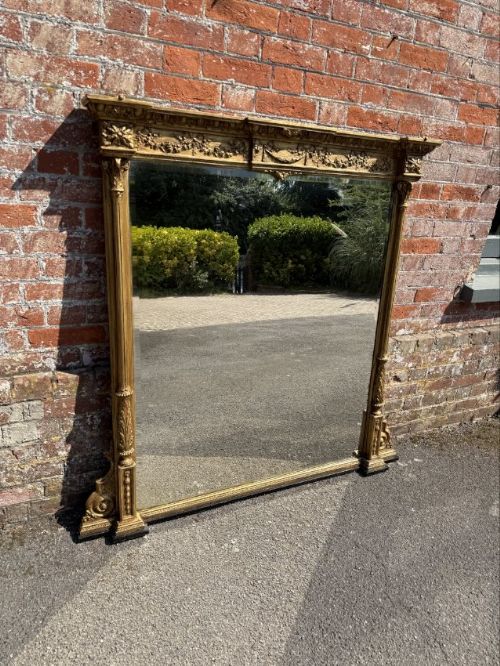
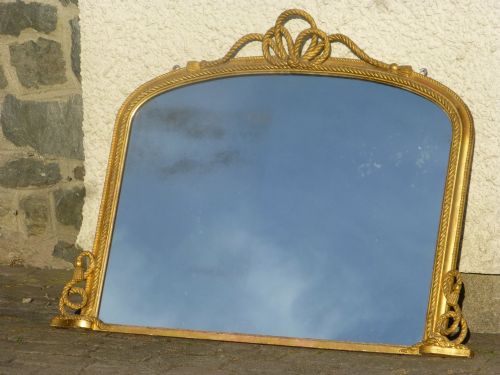
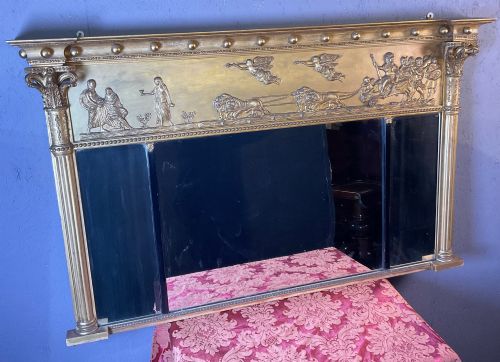
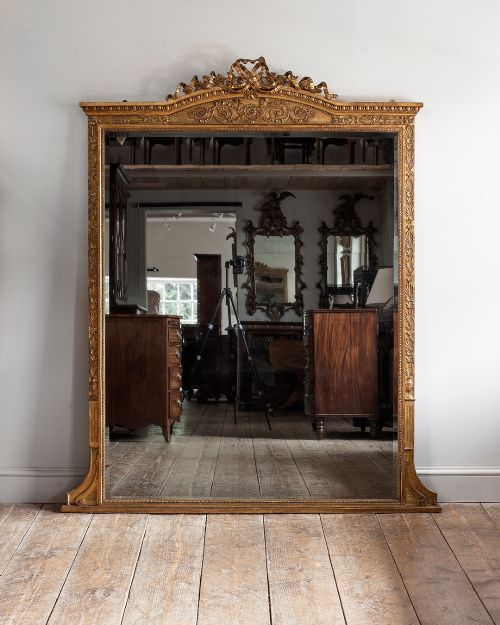
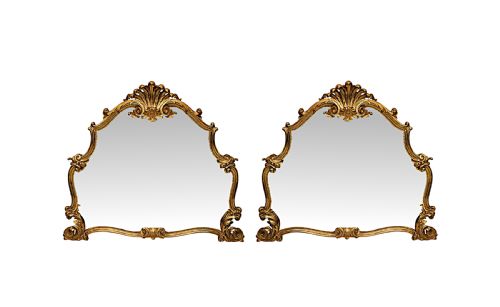
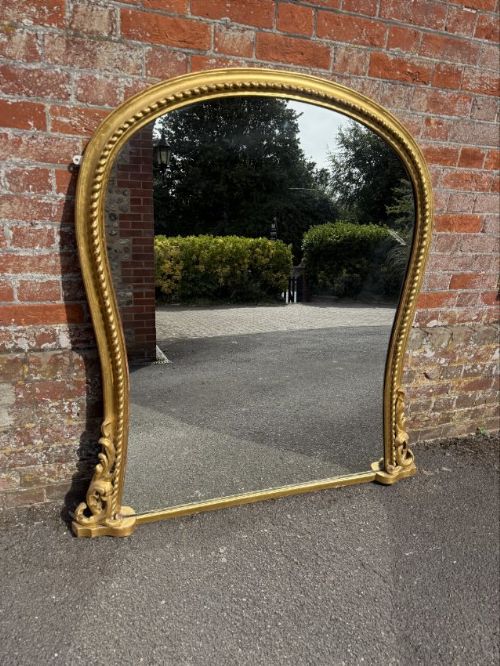
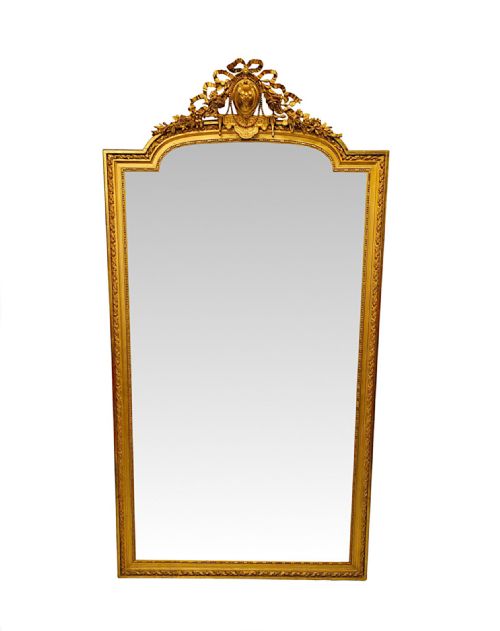
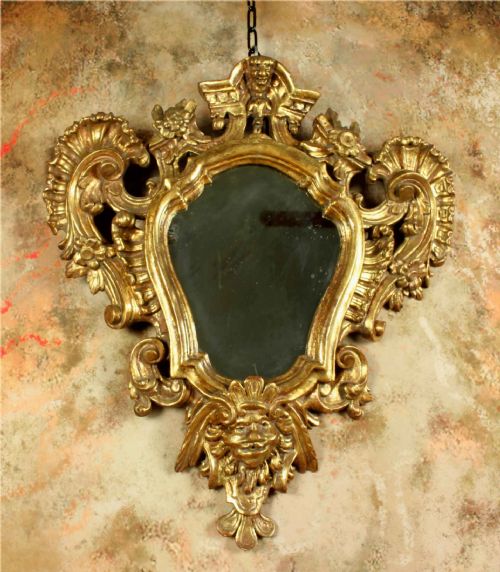
Gilded Frame Mantle Mirror
A gilded frame mantle mirror brings light and scale to a room, sitting low above a fireplace with substantial presence.
Gilded Frame Mantle Mirror
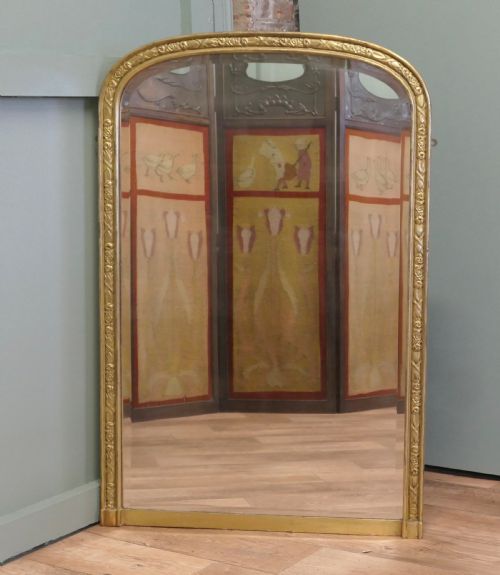
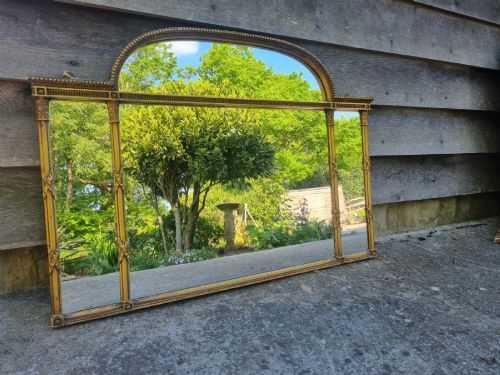
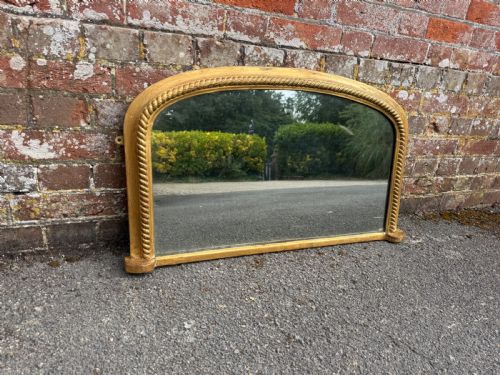
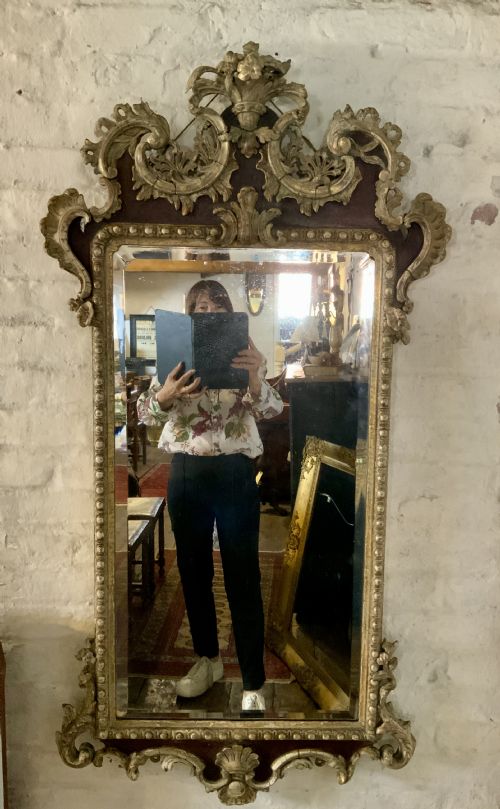
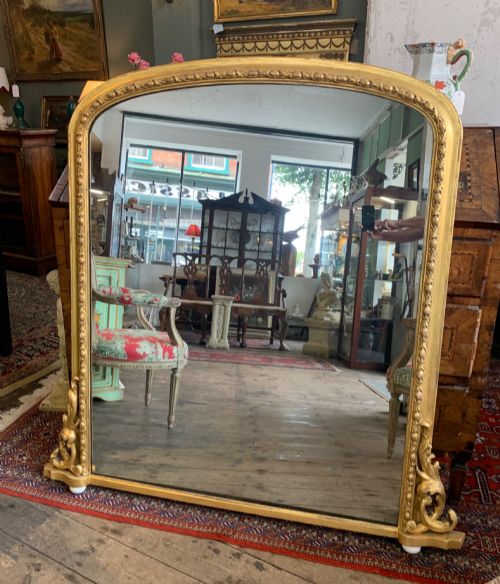
When searching for a gilded frame mantle mirror, you look at large reflective plates designed to sit atop a fireplace or along a principal wall. The selection here leans heavily towards nineteenth-century overmantel mirrors, alongside French Louis Philippe designs and eighteenth-century wall pieces.
These objects appear in architectural forms such as arched tops, column frames, and rectangular wall formats with substantial proportions. English and French pieces dominate the selection, spanning periods from the eighteenth century through to the Edwardian era.
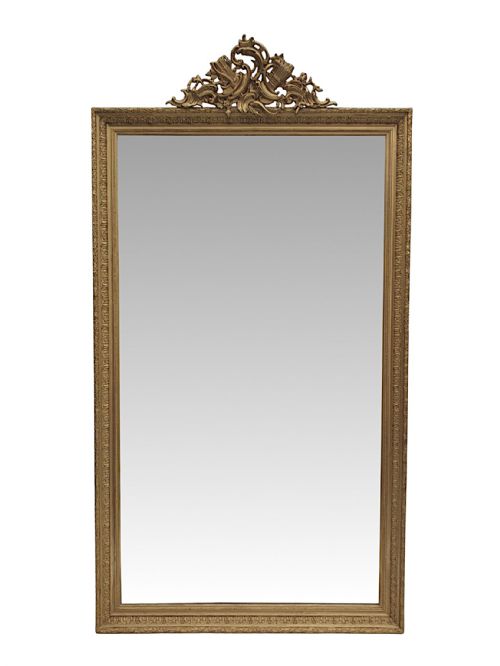
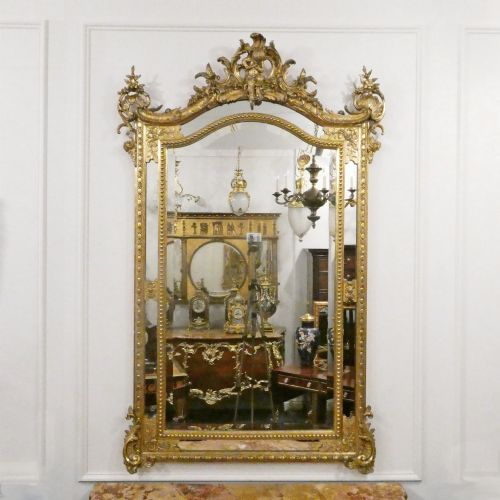
The primary forms include grand overmantel mirrors intended to dominate a chimney breast and taller leaner mirrors built for full-length reflection. Buyers encounter both restrained classical framing and elaborate revival styles like Rococo and Regency.
How They Were Made
Maker workshops constructed the structural carcases primarily from wood, utilising carved timber or applied gesso to build up decorative moulding and relief work. Artisans then applied gold leaf or composition finishes over the prepared surfaces to achieve the characteristic metallic sheen.
Mirror plates within these frames rely on historic glass techniques, including mercury glass and original bevelled mirror glass which often exhibits age-related foxing. Joinery techniques varied from pegged timber frames to applied ornamental mouldings secured with traditional adhesives.
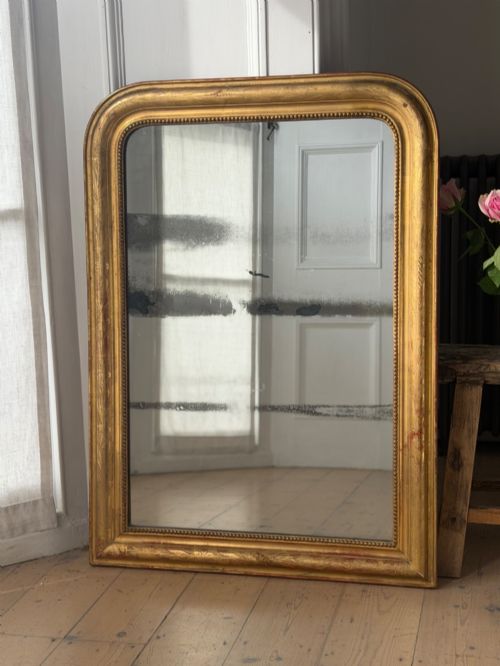
Several mirrors retain their original mercury glass, reflecting rooms through a gentle haze of antique foxing.
What Varies in Quality
The standard of carving and the crispness of the gesso mouldings dictate much of the distinction between ordinary and superior examples. Hand-carved wooden details and deeply chased ornament show an articulate hand compared to heavier, more uniform composition castings.
The condition and survival of the original gilding and mirror plates carry substantial weight in determining the character of a piece. Original mercury plates with natural oxidation contrast against replaced modern glass, altering the visual depth of the reflection.
The Gilded Frame Mantle Mirror Glossary
- Gesso
- A plaster-like mixture applied to wood frames as a base for gilding, allowing intricate relief ornamentation to be moulded onto the surface.
- Overmantel Mirror
- A wide mirror specifically proportioned to hang on the wall directly above a fireplace mantelpiece.
- Foxing
- The natural age-related spotting, dark patches, and discoloration that develop on historic mirror glass over decades of oxidation.
- Trumeau Mirror
- A decorative wall mirror featuring an upper painted or carved panel integrated into the overall frame design, originating in France.
- Composition
- A moulded material made from whiting, resin, glue, and linseed oil, pressed into decorative shapes for picture and mirror frames.
Gilded Frame Mantle Mirror: Frequently Asked Questions
How do I secure a heavy mantle mirror?
Large overmantel mirrors carry significant weight and require robust wall fixings anchored directly into structural masonry or heavy timber studs. Many period pieces were designed to rest part of their weight on the mantel shelf itself while being tethered securely to the wall for safety.
Professional installation is recommended for very tall or exceptionally heavy nineteenth-century frames to distribute the load evenly and protect both the plasterwork and the antique frame.
What is the difference between an overmantel and a wall mirror?
Overmantel mirrors are traditionally wider than they are tall, proportioned specifically to span the horizontal space of a fireplace breast. Wall mirrors generally feature more balanced vertical or square dimensions suited for general room placement.
While both share gilded frames and historic glass, the overmantel format was engineered to anchor the visual weight of a domestic hearth.
Can I clean historic mirror glass safely?
Historic glass and delicate gilt surfaces require gentle maintenance using dry or barely damp microfiber cloths without harsh chemical cleaners. Moisture can seep behind the silvering or damage fragile gesso and gold leaf underneath.
Preserving original foxing and surface patination safeguards the historical integrity of the piece rather than attempting to restore a modern, flawless reflection.
How do I date a gilded mirror?
Dating relies on examining the construction of the wooden carcase, the composition of the gesso, and the manufacturing traits of the glass plate. Eighteenth-century pieces often display hand-carved joinery and distinct plate thicknesses, whereas Victorian examples frequently utilise moulded composition ornament.
Secondary wood types at the back of the frame and the mounting hardware also offer reliable clues to the period of manufacture.