




Traditional English Overmantel
Traditional English overmantel pieces are grand nineteenth-century wall mirrors designed to anchor a room by hanging directly above a fireplace.
Traditional English Overmantel
A traditional English overmantel is a large wall mirror created to sit above a mantelpiece, reflecting light and filling the vertical space of a chimney breast. When searching for a traditional English overmantel, buyers encounter nineteenth-century Victorian and Edwardian examples shaped by regional craftsmanship.
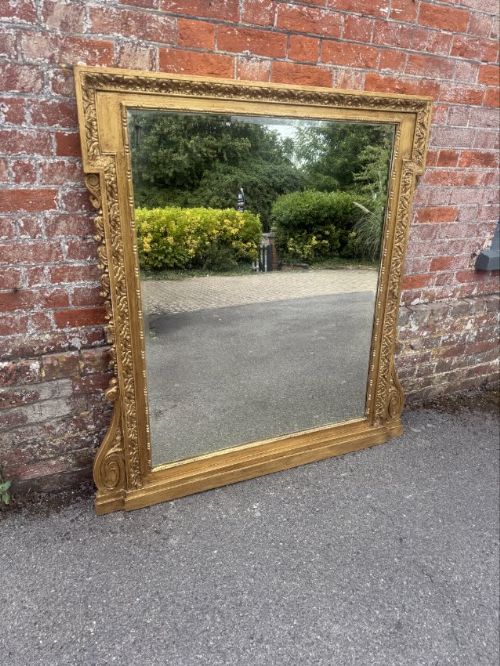
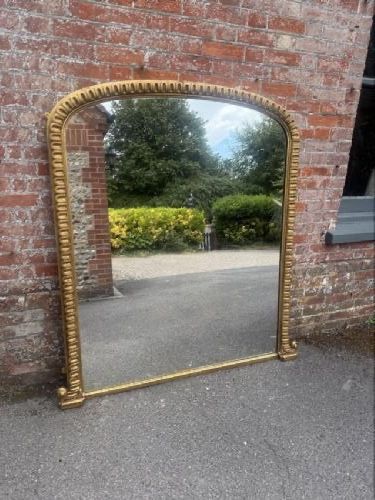
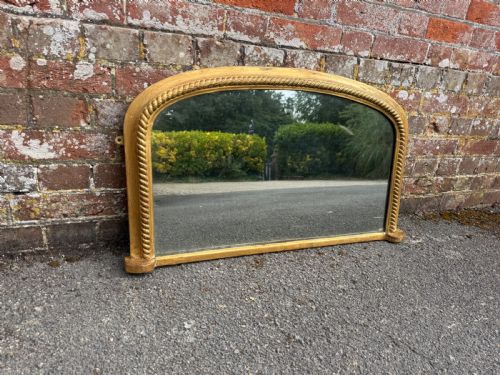
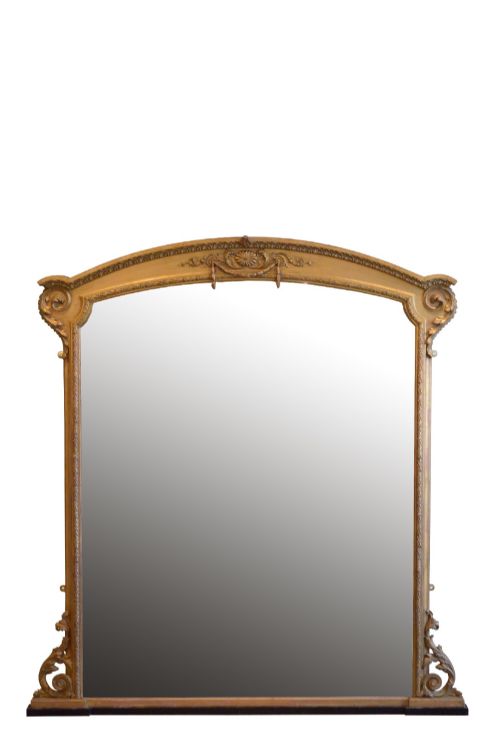
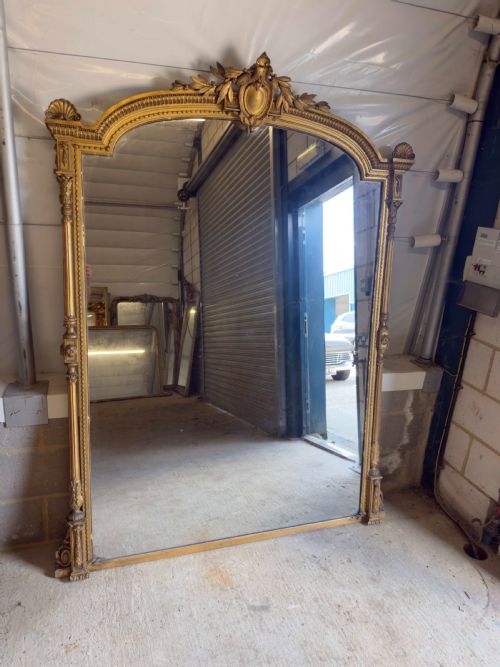
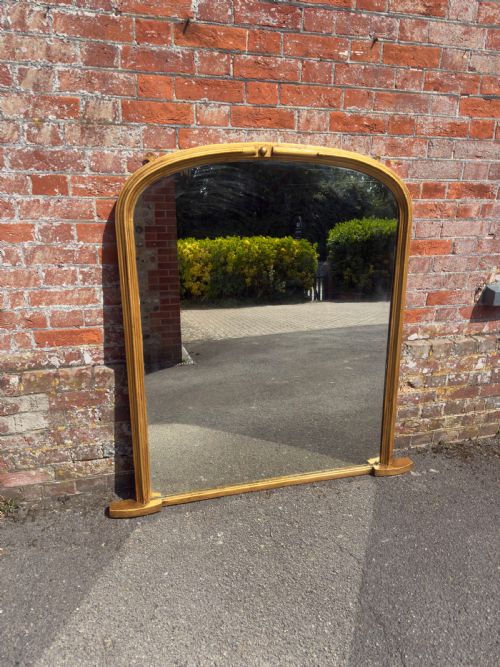
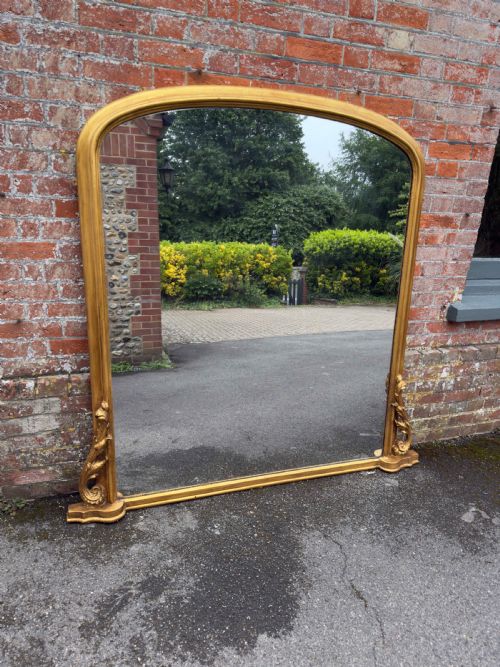
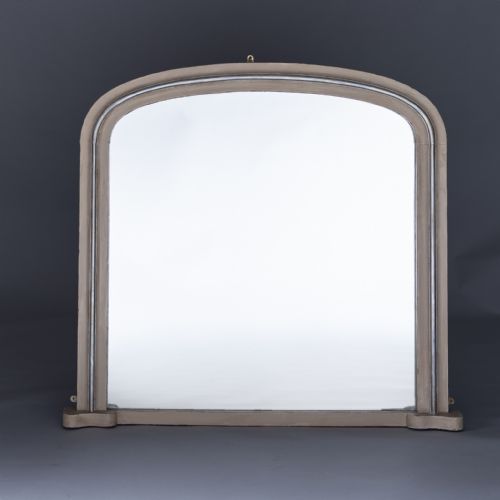
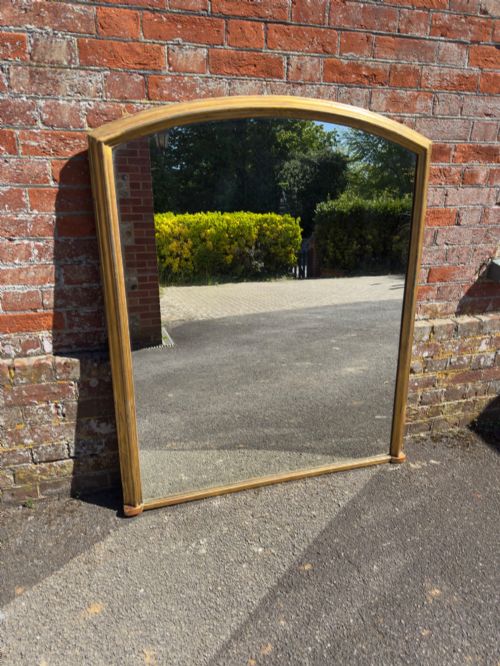
The most common form on this page is the large Victorian arched top mirror, frequently dated between 1850 and 1880. These pieces typically combine substantial proportions with architectural framing designed to command attention in a principal room.
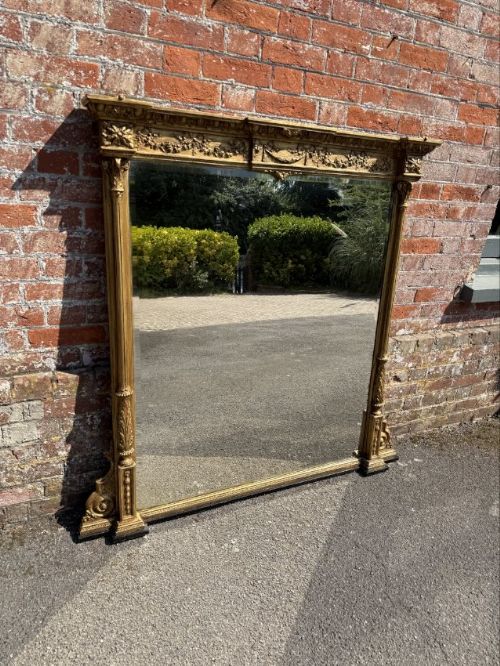
Makers and artisans of the period drew upon Georgian and English country styles, incorporating decorative elements such as rope twist frames and column details. Surviving pieces range from giltwood showpieces to painted and parcel-silvered variants.
What varies in quality
Quality in these mirrors rests upon the crispness of the carved wood and gesso ornamentation, where deeper relief and sharper detailing distinguish finer workshop output from simpler production. The handling of the original gilding or painted surfaces also dictates visual hierarchy.
Proportion and structural integrity separate substantial architectural examples from standard domestic pieces. The harmony between the arched top frame and the underlying timber carcase dictates the overall success of the design.
Listings span the Victorian and Edwardian eras, dominated by nineteenth-century carved wood, gesso, and giltwood arched top forms.
The Traditional English Overmantel Glossary
- Overmantel
- A mirror specifically designed to be hung above a mantelpiece or fireplace. These items formed a focal point in nineteenth-century interiors.
- Gesso
- A plaster-like mixture applied to wood frames and carved to create raised decorative motifs before gilding. It provides a smooth base for gold leaf.
- Giltwood
- Timber that has been coated with gold leaf or gold paint. This finish catches candlelight and natural illumination in a room.
- Parcel-silvered
- Partially treated with silver leaf or silver paint to create a two-tone metallic effect alongside painted areas. This technique adds subtle contrast to the frame.
- Arched top
- A curved upper frame profile typical of nineteenth-century architectural mirrors. This shape softens the rigidity of large rectangular chimney breasts.
Traditional English Overmantel: Frequently Asked Questions
How do I hang a heavy overmantel mirror?
These large mirrors require secure wall fixings anchored directly into structural masonry or heavy studwork to support their substantial weight safely.
Professional mirror hangers often utilise specialised brackets that distribute the vertical load evenly across the wall surface.
Where should an overmantel be placed?
Traditionally, these pieces hang centrally on the chimney breast directly above the fireplace opening to reflect light and anchor the room's proportions.
They also function effectively on large blank walls in reception rooms where a grand vertical focal point is required.
How do I clean an antique gilt frame?
Dust the carved wood and gesso surfaces gently with a very soft, dry brush to prevent disturbing fragile nineteenth-century gilding.
Avoid using water, liquid cleaners, or chemical solvents, which can strip the gold leaf or damage the underlying gesso composition.
What defines a Victorian overmantel?
Victorian examples generally date from the mid to late nineteenth century and feature robust timber frames decorated with gesso mouldings and arched tops.
They frequently display architectural influences such as columns or rope twist details reflecting the tastes of the period.