


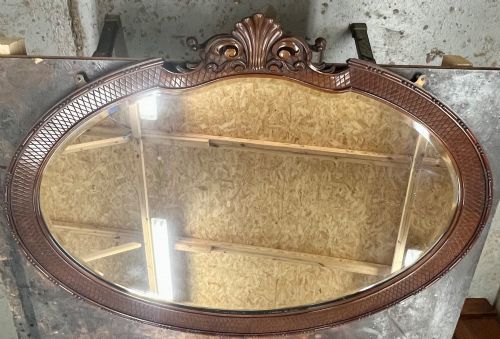

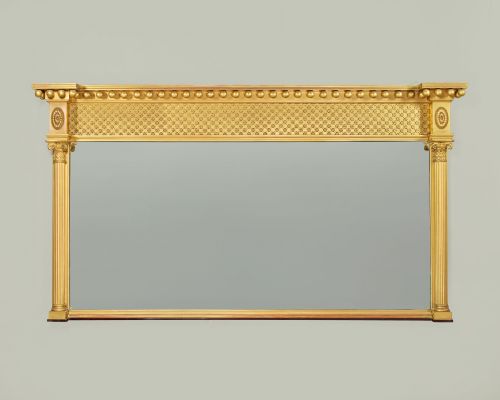


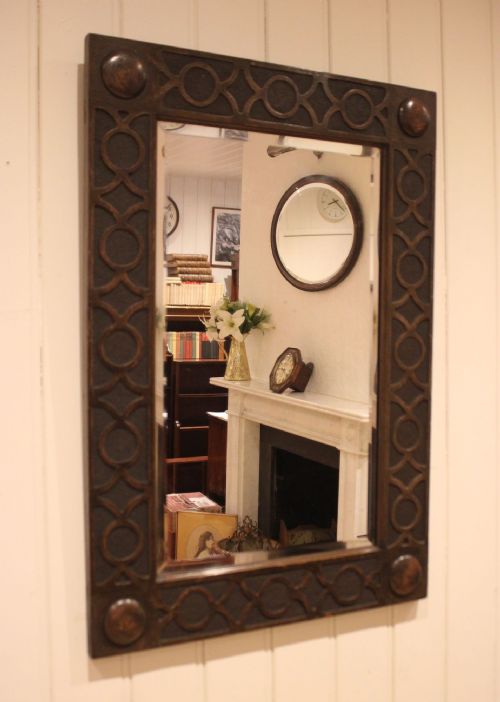


Edwardian Carved Mantle Mirror
An edwardian carved mantle mirror anchors a room with period proportion and reflective depth, bringing historic craft directly onto the chimney breast.
Edwardian Carved Mantle Mirror
When searching for an edwardian carved mantle mirror, you encounter pieces designed to sit above a fireplace hearth, though similar forms also function as wall mirrors.
The selection here spans overmantel mirrors, wall mirrors, and fire surrounds, with the Edwardian period represented alongside Victorian and nineteenth-century examples.
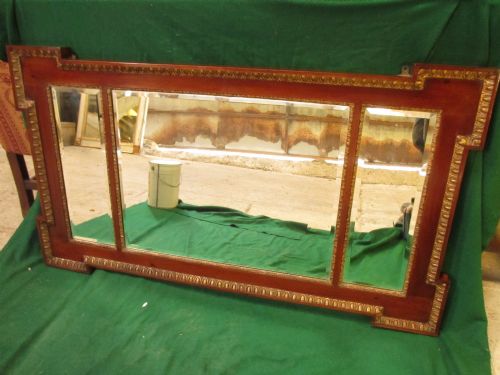
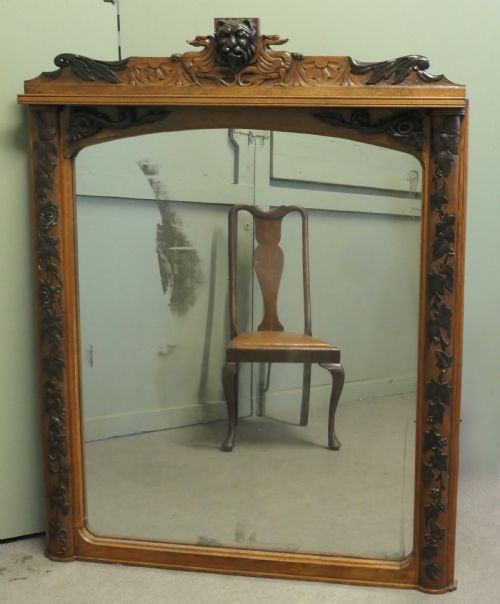
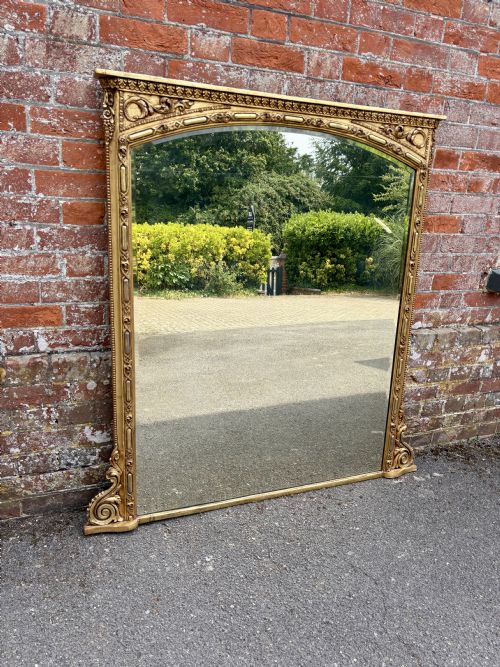
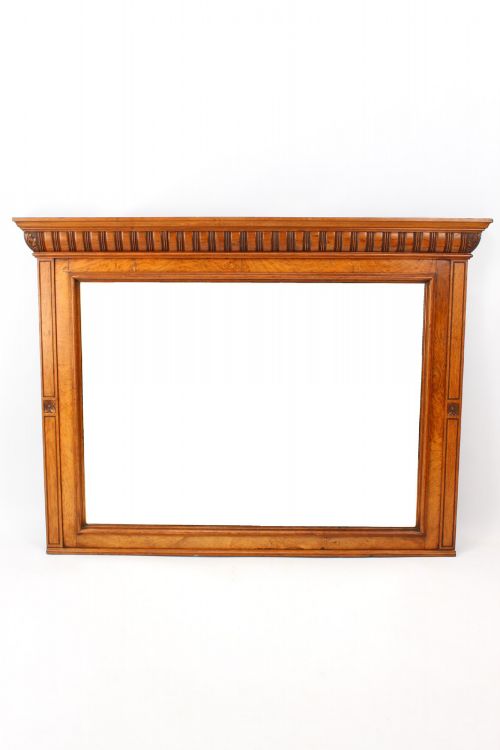
Many of these items feature substantial wooden frames, arched tops, and triple or single plate glass tailored for principal reception rooms.
Materials and construction methods
Wood forms the structural core of these items, with oak, mahogany, and walnut appearing frequently alongside carved wood and gesso frames.
Giltwood and gold leaf finishes provide decorative brilliance, applied over layered gesso to create intricate moulded details and arched profiles.
Makers also utilised painted surfaces and black lacquer, mounting glass plates securely within substantial timber or composition housings.
Materials recorded across these listings include solid oak, mahogany, walnut, giltwood, gesso, composition, and glass.
Distinctions in standard and execution
The depth and crispness of the carved ornamentation separate standard production from finer work, particularly where gesso enrichment meets timber.
Proportion and the integrity of the original mercury or antique glass plate define the visual weight and historical authenticity of each piece.
The Edwardian Carved Mantle Mirror Glossary
- Overmantel mirror
- A large horizontal or vertical mirror specifically proportioned to hang on the wall directly above a fireplace mantelpiece.
- Gesso
- A plaster-like mixture applied to wood frames and carved or moulded into ornate decorative relief before gilding.
- Giltwood
- Timber that has been coated with a thin layer of gold leaf or gold paint to create a metallic decorative surface.
- Triple plate mirror
- A frame containing three distinct glass panels placed side by side, often seen in nineteenth-century overmantels.
- Ripple frame
- A moulding profile featuring concentric undulating waves carved into the wood surrounding the glass.
Edwardian Carved Mantle Mirror: Frequently Asked Questions
How do I hang a heavy overmantel mirror safely?
These substantial frames require professional wall fixing directly into masonry or secure wall studs to support the combined weight of timber and glass.
Ensure the hanging wire or brackets match the load capacity specified by a qualified installer.
Were these mirrors always meant for fireplaces?
While primarily designed as overmantels to reflect light above a hearth, many shared forms functioned equally well as principal wall mirrors in reception halls.
Their proportions complement large wall spaces and architectural mantelpieces alike.
How do I clean antique mirror glass?
Use a soft cloth and a gentle, ammonia-free cleaning solution applied lightly to the glass rather than directly onto the frame.
Avoid spraying near carved gesso or gilt surfaces to prevent moisture damage to the antique finish.
Can I date these pieces by their frame style?
Stylistic cues such as arched tops, ribbon carvings, or ripple mouldings help align pieces with Victorian, Edwardian, or earlier nineteenth-century production periods.
Construction details on the reverse often confirm the manufacturing era.