
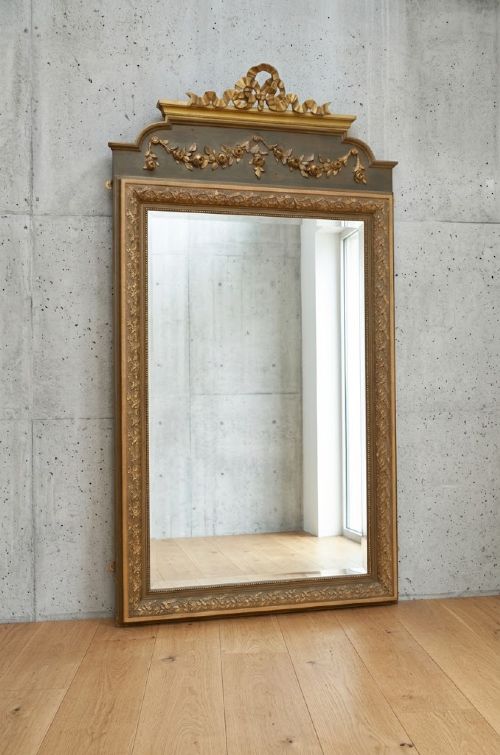
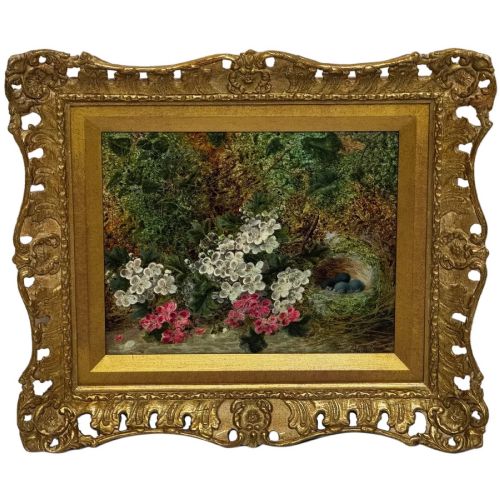
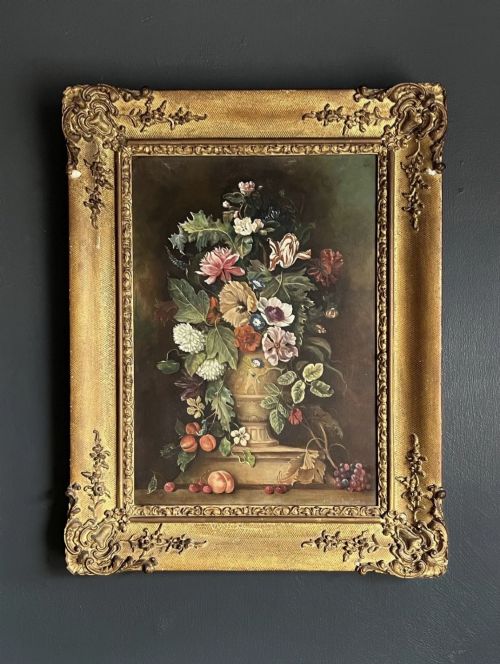
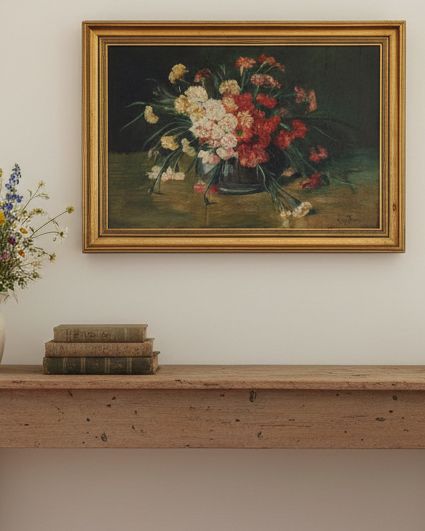
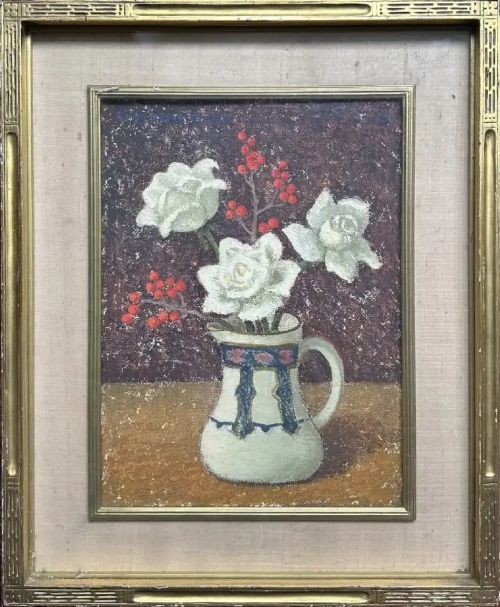
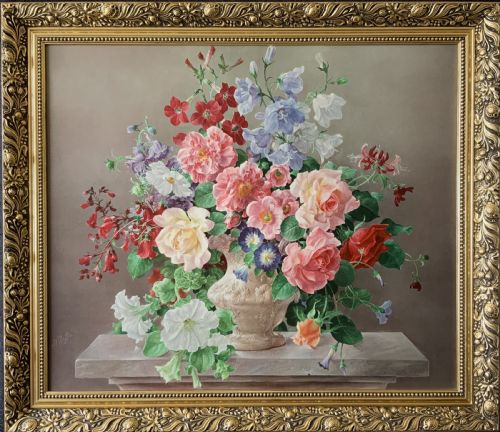
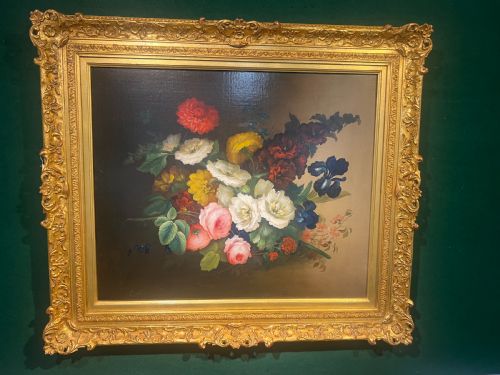
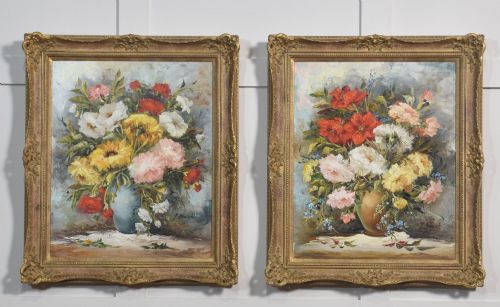
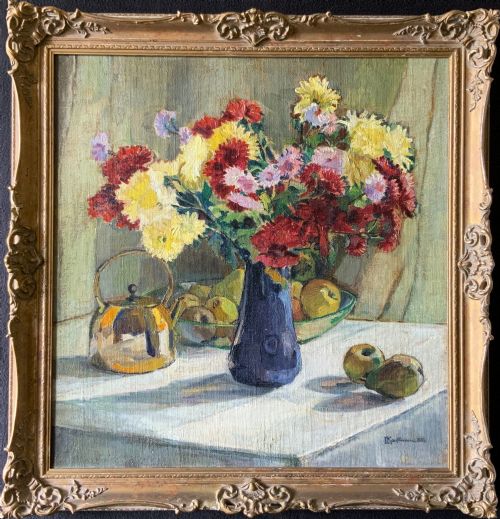
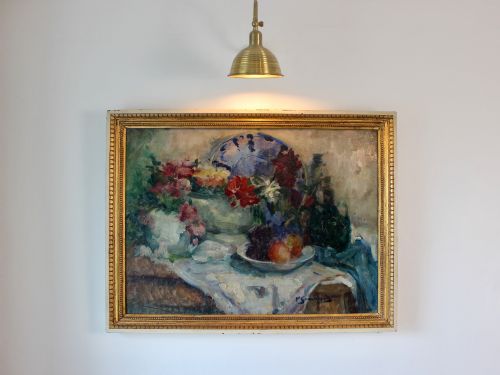
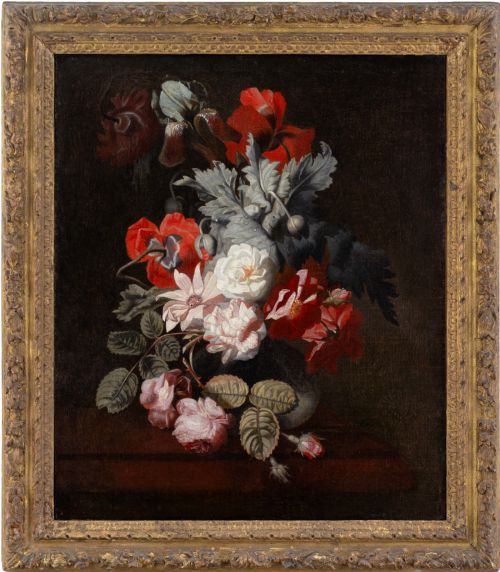

Gilded Frame Floral Painting
When you search for gilded frame floral painting, you look for botanical subjects captured in oil or watercolour, enclosed within reflective gold leaf or carved wood surrounds.
Gilded Frame Floral Painting
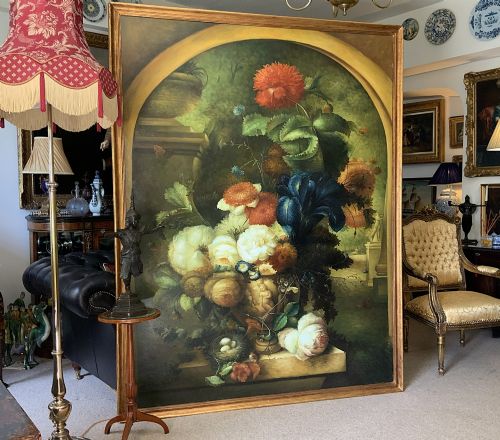
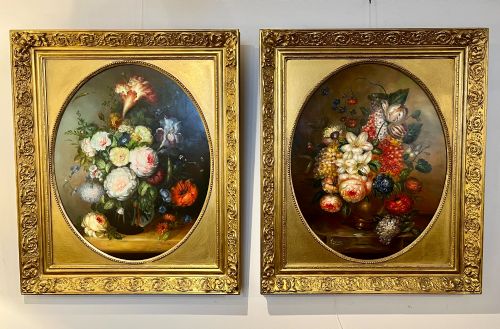
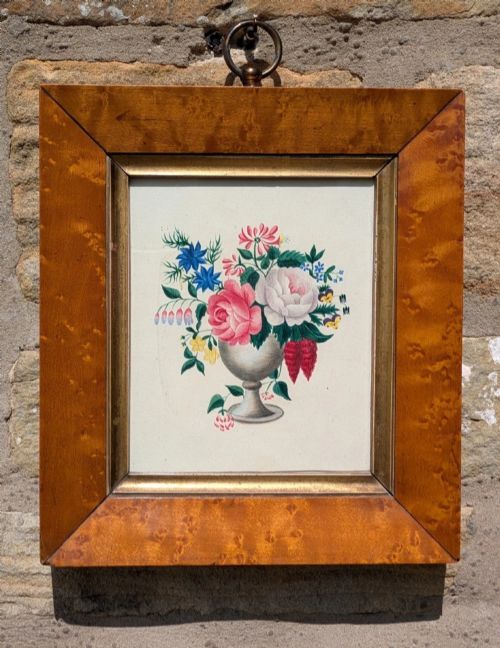
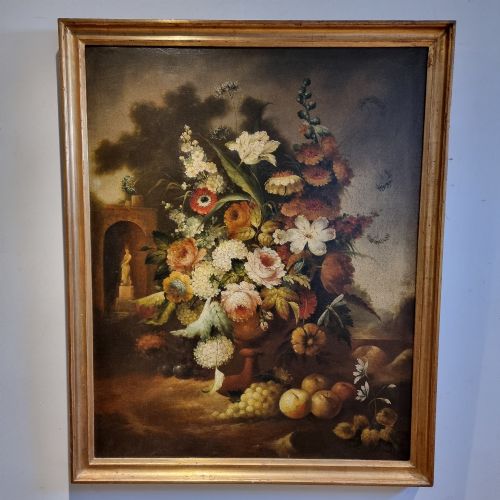
A gilded frame floral painting brings traditional botanical subjects and floral still life scenes into domestic interiors, spanning periods from the nineteenth century through to the mid-twentieth century. The selection ranges from intimate watercolours to large oil paintings on canvas or board, frequently accompanied by Dutch style compositions and Victorian still life studies.
Buyers commonly encounter works housed within ornate gold leaf, gesso, or carved wooden surrounds that complement the painted botanical subject matter. These pieces vary from modest signed studies to monumental decorative wall art originating from British, French, and Belgian makers.
How they were made
Makers utilised traditional oil paint or watercolour applied to stretched canvas, wooden board, or heavy paper, capturing detailed floral arrangements with pigment and brush. Canvases and boards are typically set within custom-built wooden structures finished with layers of gesso and applied gold leaf to create the characteristic metallic border.
Surrounds often rely on carved wood and moulded gesso, sometimes retaining original gilding or painted highlights that frame the central artistic composition.
Listings feature works spanning from the nineteenth century to the mid-twentieth century, including Victorian, Belle Epoque, and Impressionist styles.
What varies in quality
The distinction between standard decorative items and finer works lies in the subtlety of the brushwork and the depth of the floral composition. Superior paintings demonstrate careful observation of light, petal texture, and natural colour variation rather than generic repetition.
Frame construction also dictates overall quality, with hand-carved wooden mouldings and well-preserved gold leaf carrying greater visual weight than mass-produced later substitutes.
Oliver Clare·Edwin Steele·Emma Fordyce MacRae·Owen Bowen·Julien Stappers
The Gilded Frame Floral Painting Glossary
- Gesso
- A plaster-like mixture applied to wood as a base for paint or gold leaf. It is built up in layers before being carved or gilded.
- Still Life
- A painting or drawing featuring inanimate subject matter, typically commonplace objects such as flowers, fruit, or nests. These compositions focus on arrangement and light.
- Gold Leaf
- Gold beaten into extremely thin sheets used for gilding surfaces. It provides the reflective metallic border characteristic of these frames.
- Belle Epoque
- A period of French history dating from the late nineteenth century to the First World War. Objects from this era often display decorative ornamentation.
Gilded Frame Floral Painting: Frequently Asked Questions
How do I hang a heavy oil painting safely?
Heavy paintings require secure wall fixings anchored directly into masonry or wall studs using appropriate picture hooks. Steel wire or robust brass D-rings attached to the wooden stretcher provide reliable support for the weight of the canvas and frame.
Ensure the hanging height places the centre of the canvas at eye level, and avoid positioning the artwork in direct sunlight to protect the pigments and gold leaf over time.
What is a Dutch style floral painting?
Dutch style floral paintings draw inspiration from seventeenth-century Dutch golden age traditions, featuring dense arrangements of blooms such as roses, tulips, and carnations against dark backgrounds. These compositions emphasise botanical accuracy combined with dramatic lighting.
Artists across the nineteenth and twentieth centuries continued to produce work in this tradition, pairing the detailed oil paintings with ornate giltwood surrounds.
How should I clean a gilded wood frame?
Gilded frames require gentle dusting with a soft, dry brush to remove surface particles without disturbing the delicate gold leaf or gesso layers. Avoid using water, liquid cleaners, or chemical solvents, which can strip the metallic finish.
If the surface requires deeper attention, consult a professional conservator to prevent accidental damage to the historical materials.
Can I date a painting by its frame?
Frames frequently offer clues to a piece's age, though paintings and their surrounds are sometimes separated over the decades. Hand-carved wooden profiles and traditional gesso application point to earlier craftsmanship, whereas newer fixings or modern backing boards suggest replacement.
Examine the construction joints at the corners of the frame and the type of nails or screws used to secure the canvas for indicators of period manufacture.