


Gilded Edge Cabinet Dish
A gilded edge cabinet dish brings finely painted scenes and rich gilding together for display, offering a glimpse into centuries of ceramic artistry.
Gilded Edge Cabinet Dish
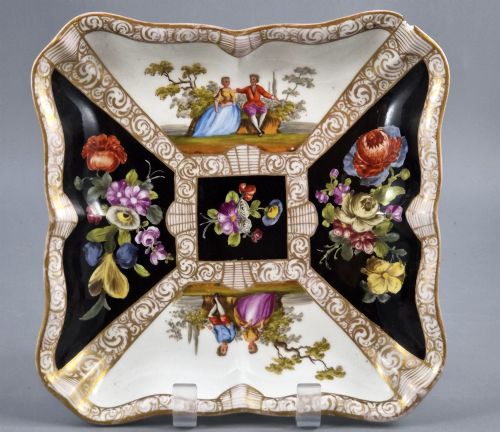
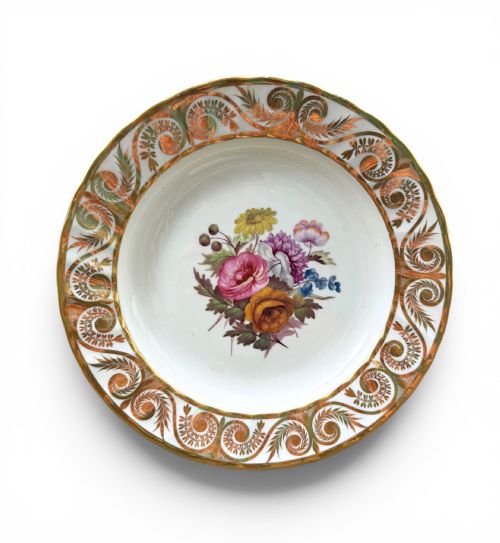
A gilded edge cabinet dish is primarily designed for display rather than routine dining, often taking the form of cabinet plates, decorative dishes, and chargers. These pieces span periods from the eighteenth century through the mid twentieth century, encompassing styles such as Regency, Victorian, Edwardian, and Japanese Imari.
Buyers will encounter hand painted botanical studies, figural scenes, and armorial designs. The unifying element across these varied origins is the gilded border that frames the central artwork.
Materials and Techniques
The foundation of these pieces rests on porcelain, bone china, and hard paste porcelain, which provided smooth white surfaces suitable for detailed brushwork. Makers applied gold leaf and gilding by hand to accentuate rims, edges, and relief moulded details.
Decoration relied on meticulous hand painting executed by skilled artisans who rendered birds, flowers, fruit, and mythological scenes directly onto the glazed ceramic body. Kiln firing fixed the pigments and metals, creating durable surfaces intended to catch the light in a drawing room or cabinet.
Listings span porcelain, bone china, and hard paste porcelain, decorated with gold leaf, gilt, and gilding.
Assessing Quality
Quality rests upon the precision and ambition of the hand painting, where named artists and documented workshop hands distinguish standard production from exceptional pieces. The handling of the gilding itself, from flat application to burnished raised gold, shows the workshop's investment in time and materials.
The clarity of the porcelain body and the complexity of the moulded form also set pieces apart. Standard service plates differ significantly from heavy chargers and exhibition pieces intended specifically for display.
Wedgwood·Meissen·Derby porcelain·Copeland·Royal Worcester·Kornilov Brothers·Chelsea-Derby·Ridgway porcelain·Coalport·Chamberlain Worcester·Flight Barr and Barr·Vienna porcelain·KPM·Royal Crown Derby·Royal Doulton
The Gilded Edge Cabinet Dish Glossary
- Cabinet plate
- A decorative plate intended for display in a cabinet or on a wall rather than for use at the table. These often feature elaborate hand painted subjects and gilded borders.
- Hard-paste porcelain
- A true porcelain composed of kaolin and petuntse fired at high temperatures. It yields a durable, vitrified body with a bright white appearance.
- Gilding
- The application of gold leaf or gold powder to the surface of ceramics. Burnishing is often used to bring a polished shine to the gold details.
- Imari
- A style of Japanese export porcelain characterised by underglaze blue and iron red with supplementary gold. European factories frequently copied these vibrant palettes.
- Bone china
- A type of soft paste porcelain containing bone ash. It produces a strong, slightly translucent body well suited to fine dinner and dessert wares.
Gilded Edge Cabinet Dish: Frequently Asked Questions
How were cabinet dishes used?
These pieces were created primarily for display in drawing rooms, cabinets, or on sideboards to showcase the wealth and taste of the owner. They were shown off to guests rather than used for serving food.
Over time, collectors mounted them on walls or placed them on specialised stands to highlight their painted centres and gilded borders.
Can I use these plates for dining?
Most of these items are designated as cabinet pieces or decorative dishes, meant for visual appreciation rather than daily meals. The delicate enamels and gold leaf can wear down with frequent washing and cutlery use.
Gentle dusting is recommended to preserve the hand painted surfaces and the original gilding.
How do I identify the period?
Makers marks stamped or painted on the underside provide the most reliable guide to dating a piece. Stylistic clues such as Regency shapes or Victorian floral motifs also help narrow down the decade of production.
Comparing the painting style to documented works by known decorators offers further confirmation of age.
What is Japanese Imari style?
Imari style refers to a distinctive aesthetic featuring deep underglaze blue, iron red, and abundant gold detailing. European potteries adopted these bold patterns during various revival periods.
Dishes in this style combine eastern motifs with western ceramic shapes.