




Gilded Earthenware Figure
A gilded earthenware figure brings tactile warmth and historic narrative into a room, joining European portrait traditions with intricate Japanese export aesthetics.
Gilded Earthenware Figure
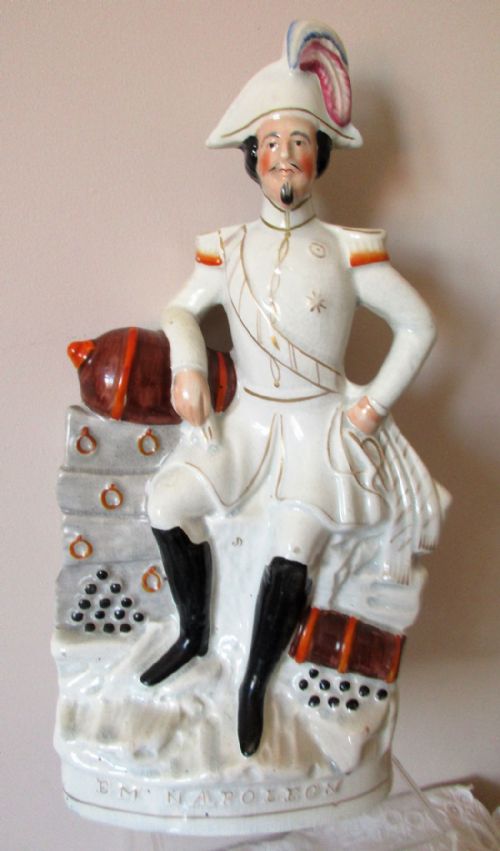
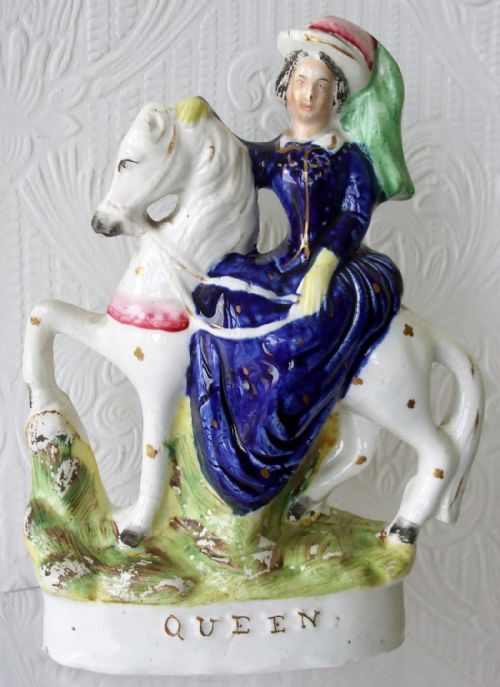
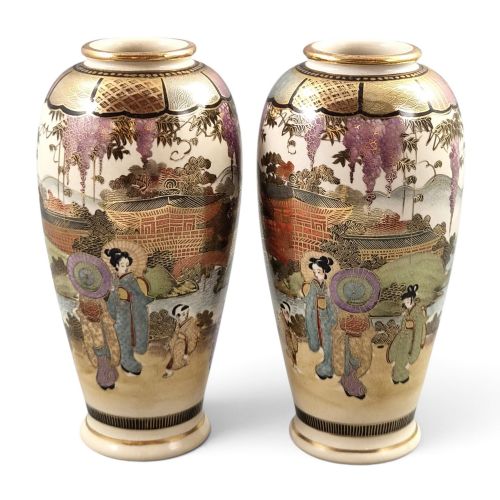
When searching for a gilded earthenware figure, collectors encounter diverse decorative expressions spanning the nineteenth century up to the Meiji and Taisho periods. These objects encompass Staffordshire portrait pieces, majolica sculptures, and Japanese Satsuma figures, vessels, and animals.
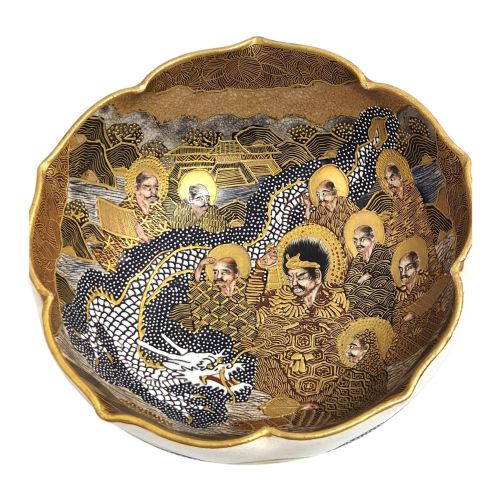
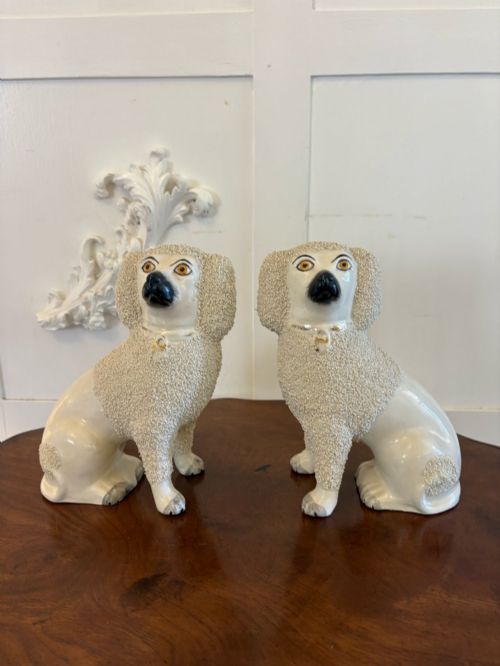
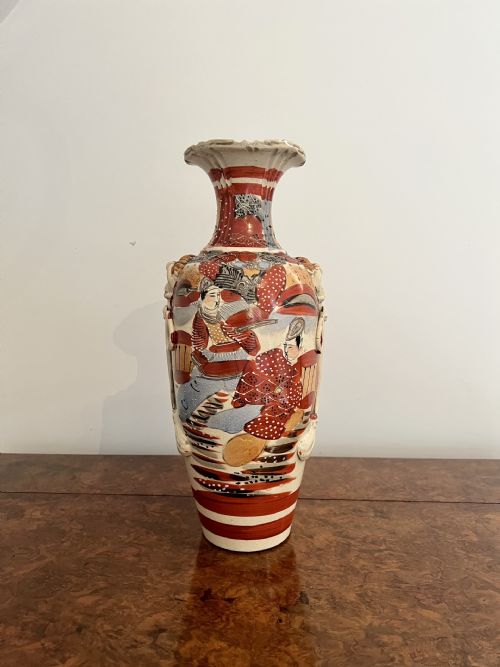
The English examples lean toward commemorative subjects and domestic animals, such as royal portraits and Staffordshire poodles or spaniels. Meanwhile, the Japanese works bring complex narrative scenes involving court figures, dragons, and Buddhist lions rendered in ceramic.
Most items appearing here bridge decorative utility and sculptural presence, shifting between cabinet pieces like shallow dishes and substantial floor vases or mantel figures. Buyers navigate a landscape where British regional pottery meets highly detailed Japanese export traditions.
Materials and construction methods
Makers shaped these pieces from ceramic earthenware bodies, applying glazes such as lead glaze or enamel to seal the porous clay. Surface enrichment relied heavily on gold leaf and gilt work to accent robes, frames, and background motifs.
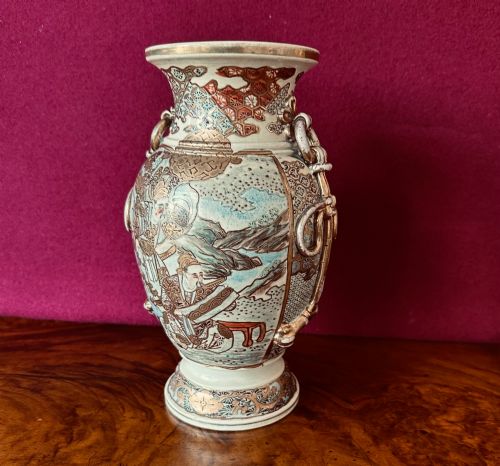
Japanese pieces frequently utilised moriage techniques to build raised slip details that catch the light beneath gilding. English Staffordshire and majolica items depended on moulded forms painted with vibrant enamels and metallic highlights.
Gilded Earthenware Figure Retail Price Guide 2026
Typical asking prices for gilded earthenware figure among the pieces listed under this phrase on Sellingantiques today, from the lower quarter to the upper quarter. They describe what is for sale here now, not the wider market.
Staffordshire poodles occasionally sport ceramic confetti fur applied bit by bit to convince Victorian mantelpieces they were real.
Assessing craftsmanship and finish
The application and preservation of the gold leaf and gilt dictate much of the visual impact. Finer specimens maintain dense, unrubbed gilding that integrates harmoniously with the underlying enamel and glaze.
The Gilded Earthenware Figure Glossary
- Earthenware
- Porous ceramic pottery fired at relatively low temperatures. It requires a glaze to hold liquids and forms the structural base for many antique figures and vases.
- Gilt
- A thin layer of gold applied to the surface of ceramic objects. It highlights decorative motifs and adds reflective warmth to the piece.
- Moriage
- A decorative ceramic technique originating in Japan where clay slip is piped onto the surface to create raised, textured patterns before glazing and gilding.
- Lead glaze
- A glossy coating containing lead oxide applied to pottery prior to firing. It produces a smooth, glassy finish that seals the earthenware body.
- Majolica
- A type of colourful lead-glazed earthenware popular in the nineteenth century. It is known for vibrant hues and sculptural modelling.
Gilded Earthenware Figure: Frequently Asked Questions
How do I clean an antique gilded earthenware figure?
Dust the surface gently with a soft, dry brush to prevent accumulation. Avoid abrasive cloths or cleaning solutions that might strip the delicate gilt and enamel layers.
Keep these ceramic pieces away from direct moisture and humidity to protect the porous earthenware body and any exposed metallic leaf.
Where were nineteenth century Staffordshire figures made?
Staffordshire figures originated in the potteries of central England during the Victorian era. Local kilns produced domestic ornaments, animal pairs, and royal portrait pieces for middle-class homes.
These works were slip-cast or hand-moulded in local clay before being painted with bright enamels and occasional gilt highlights.
What is Satsuma ware?
Satsuma ware is a type of Japanese pottery traditionally featuring a fine, ivory-coloured crackle glaze. Artisans decorated these surfaces with elaborate enamel scenes and heavy gold leaf.
Many pieces were created specifically for export during the Meiji period, depicting court figures, landscapes, and mythical creatures.
How do I spot age in ceramic gilding?
Antique gilding typically shows subtle thinning, gentle rubbing, and patination consistent with handling over generations. True gold leaf integrates closely with the underlying enamel and glaze rather than sitting as a modern, reflective metallic paint.
Examine the surface under magnification to check for natural wear patterns rather than artificial distressing.