

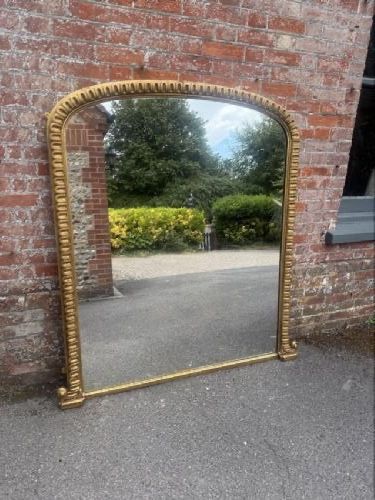
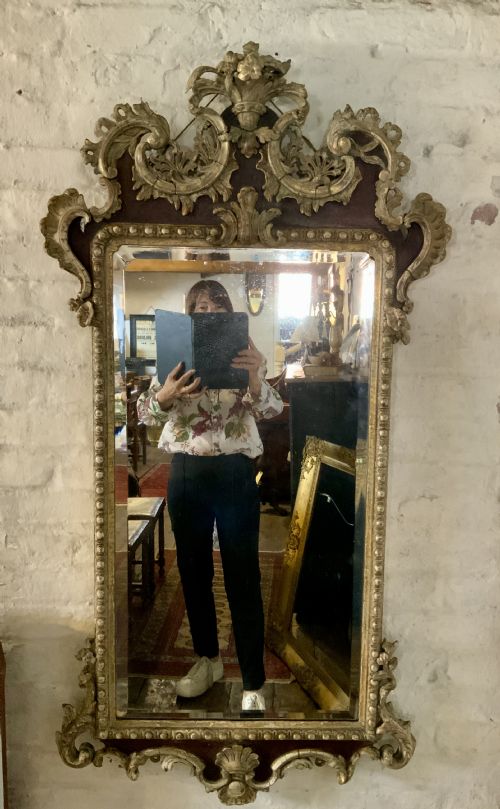
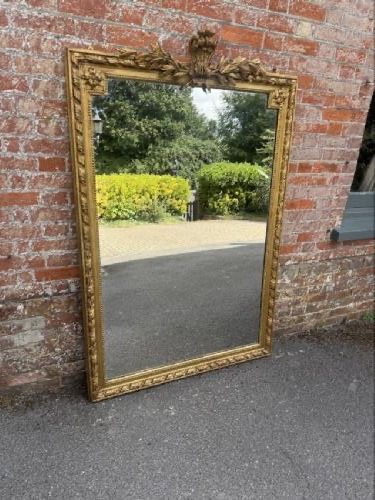
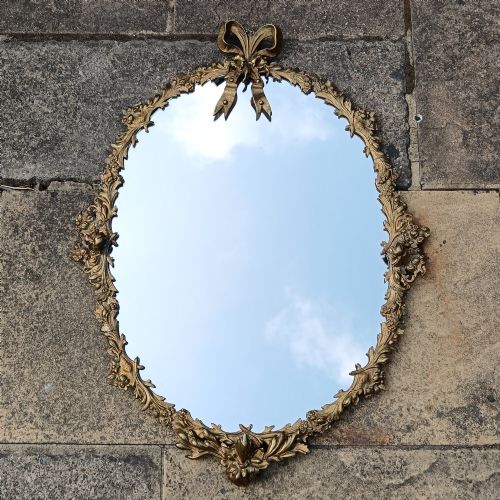
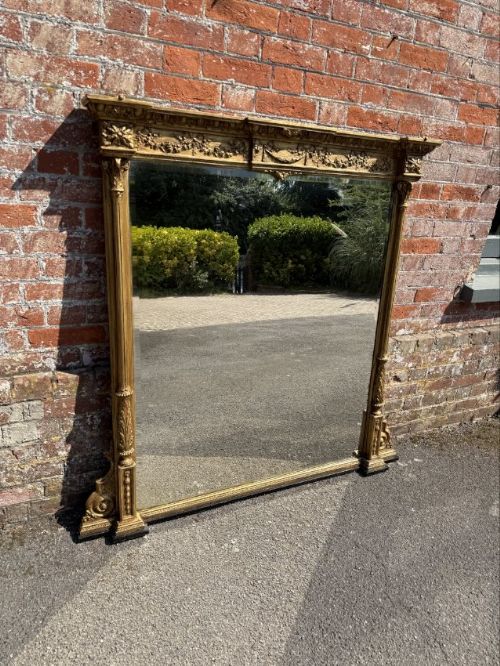
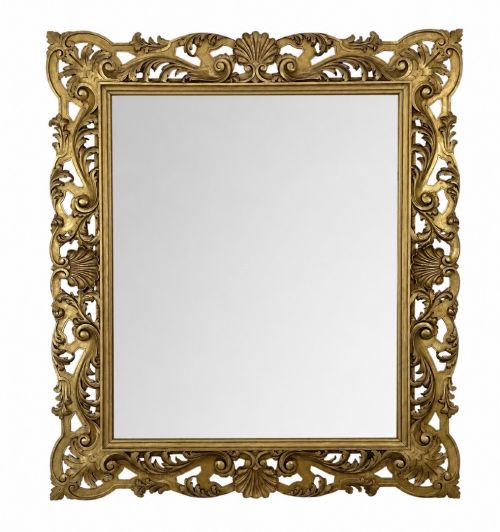
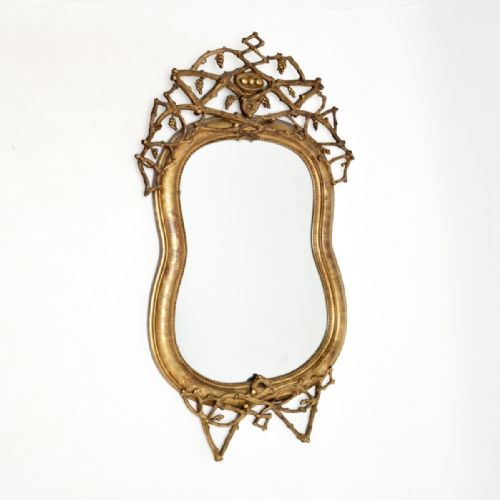
Gilded Decorative Wall Mirror
A gilded decorative wall mirror brings immediate warmth and reflected light to a room, drawing the eye with carved detail and gleaming gold leaf.
Materials and Construction
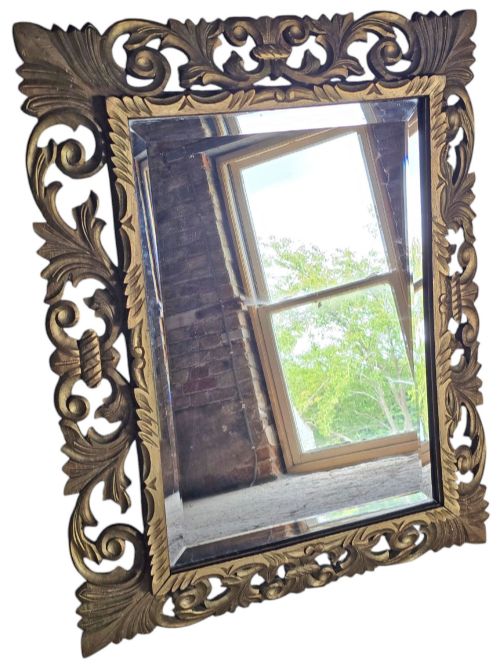
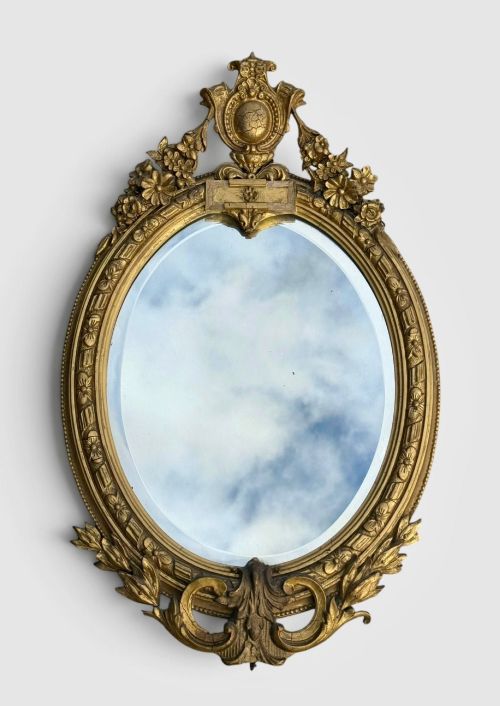
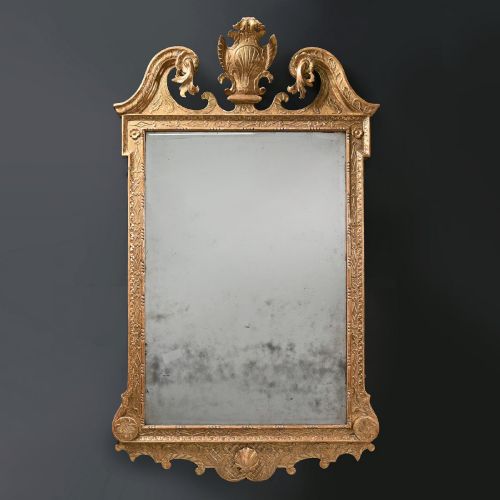
The underlying structure of these pieces typically relies on carved wood or moulded gesso built over a wooden carcass. Artisans applied gold leaf, paint, or gilt to achieve a brilliant metallic finish across the frame.
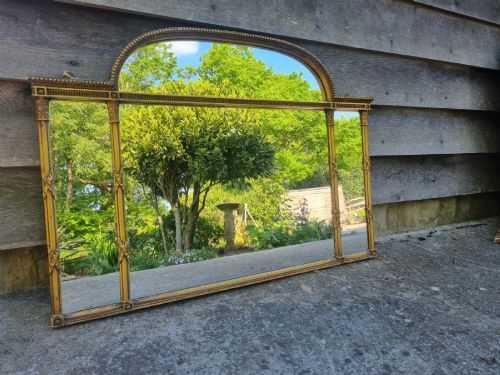
Mirrors from this selection frequently incorporate heavy glass plates, some retaining their original silvering or showing light foxing. Specialised frames integrate carved details like rope twists, columns, or vine leaves directly into the plaster and wood.
Judging Quality
Quality reveals itself in the crispness of the carving and the depth of the gilding. Hand-carved wooden elements display sharper definition and greater articulation than purely moulded gesso equivalents.
The integrity of the frame construction and the preservation of original mirror glass or period replacement plates further distinguish standard decorative pieces from finer examples.
Gilded Decorative Wall Mirror Retail Price Guide 2026
Typical asking prices for gilded decorative wall mirror among the pieces listed under this phrase on Sellingantiques today, from the lower quarter to the upper quarter. They describe what is for sale here now, not the wider market.
Listings span from the 18th century through the Victorian era and into the 1930s, utilising materials such as giltwood, gesso, and gold leaf.
The Gilded Decorative Wall Mirror Glossary
- Giltwood
- Wood that has been coated with gold leaf or a gold-coloured finish. This material forms the primary structure of many decorative antique frames.
- Gesso
- A plaster-like mixture applied to wood frames to create a smooth surface for carving and gilding. It allows for intricate relief ornamentation.
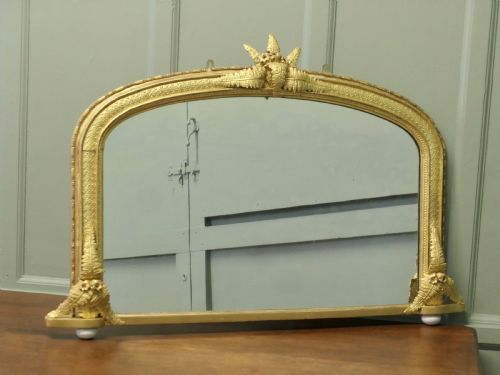
- Overmantel mirror
- A large mirror designed to sit directly above a fireplace mantelpiece. These pieces often feature wide proportions and substantial decorative crests.
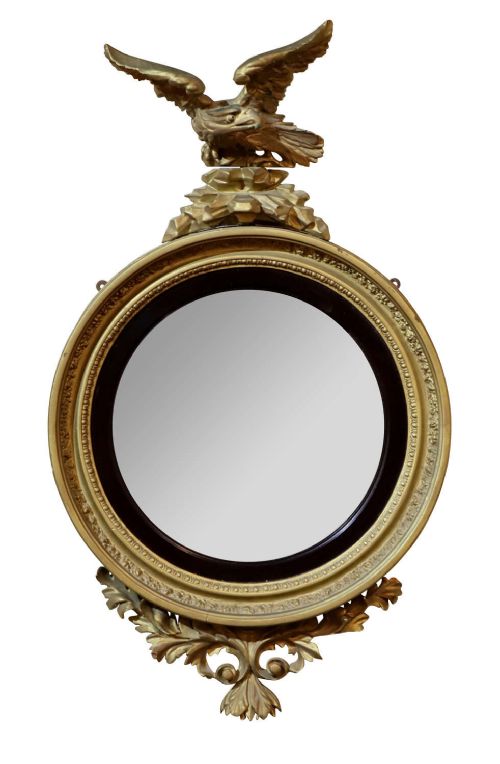
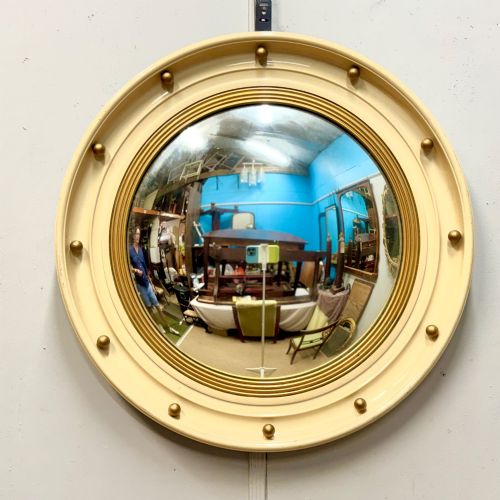
- Convex mirror
- A round mirror with an outward-curving glass plate that offers a wide-angle reflection of the interior space. They frequently feature eagle surmounts or ebonised slips.
- Girandole
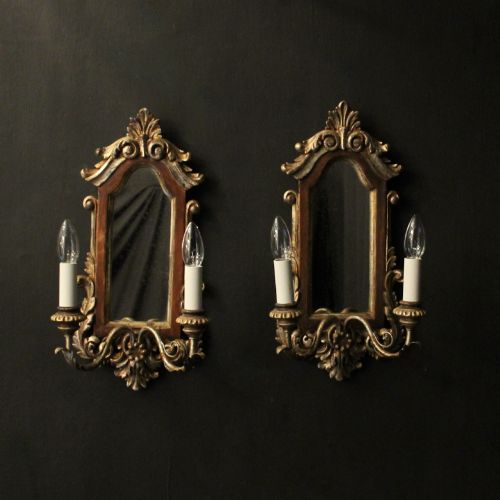
- A decorative wall mirror that incorporates attached candle sconces. The candle arms reflect additional light back into the room.
Gilded Decorative Wall Mirror: Frequently Asked Questions
How do I hang a heavy overmantel mirror?
These substantial frames require secure fixing directly into wall studs or masonry using heavy-duty brackets. Professional installation ensures the weight is safely distributed across the structure.
Position the mirror at a height that balances the surrounding furniture and effectively captures light from windows or lamps.
What is foxed glass?
Foxing refers to the natural ageing spots and speckles that appear on antique mirror plates over decades. This patina forms as the reflective backing slowly oxidises.
Many collectors value lightly foxed glass because it confirms the age and authenticity of the original mirror plate.
Are these mirrors original to the period?
The selection includes pieces dating primarily from the nineteenth century, alongside examples from the eighteenth and early twentieth centuries. Specific stylistic details such as gesso relief and joinery help identify the era of manufacture.
Some items may feature updated glass or restoration work carried out to preserve the structural integrity of the antique frame.
How do I clean a giltwood frame?
Dust the intricate carved details gently with a soft, dry brush to prevent accumulation. Avoid using liquid cleaners, water, or modern chemicals that can damage the delicate gold leaf or gesso.
Keep the mirror away from direct heat sources and damp environments to protect the wooden substrate and metallic finish.