

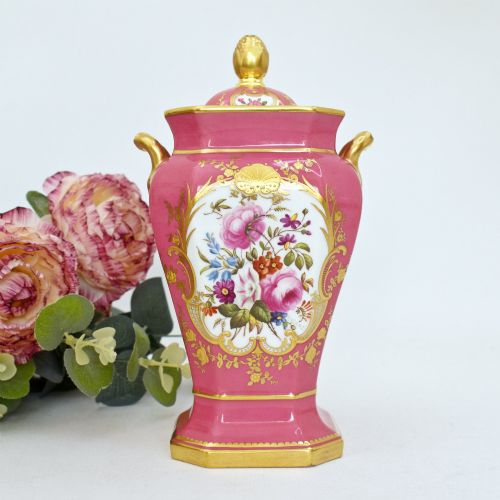
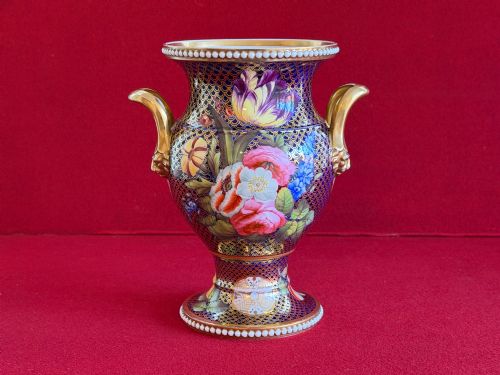
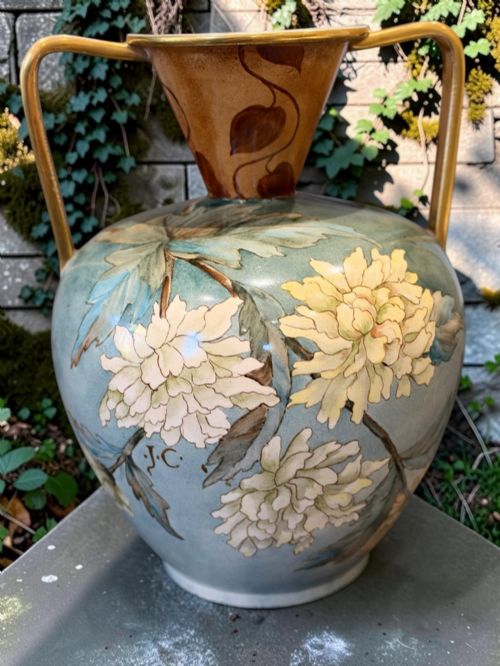
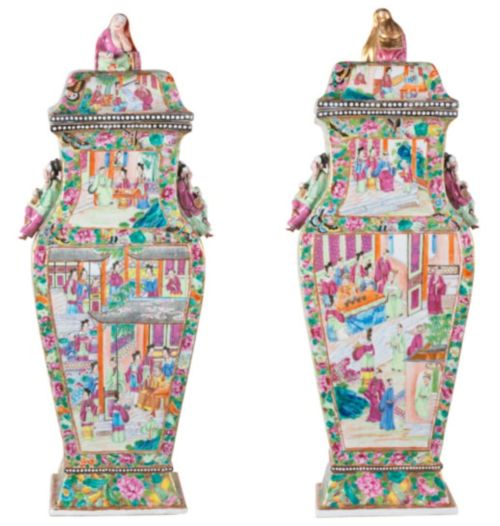
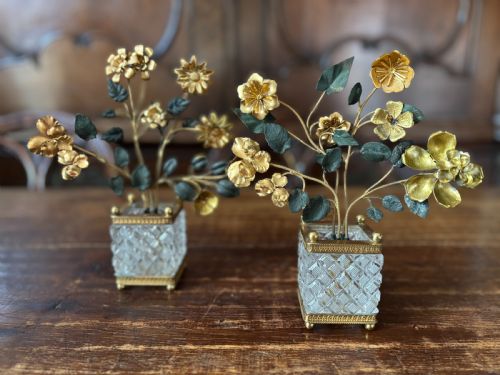
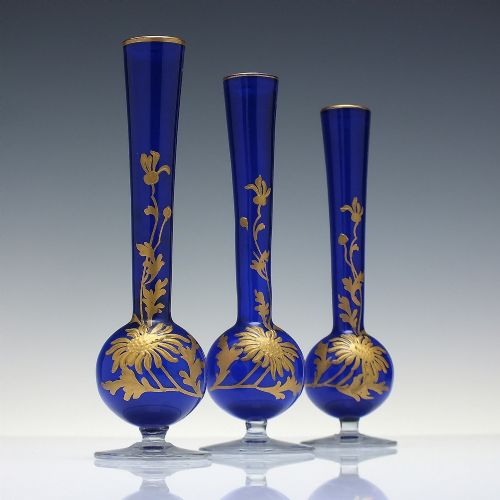
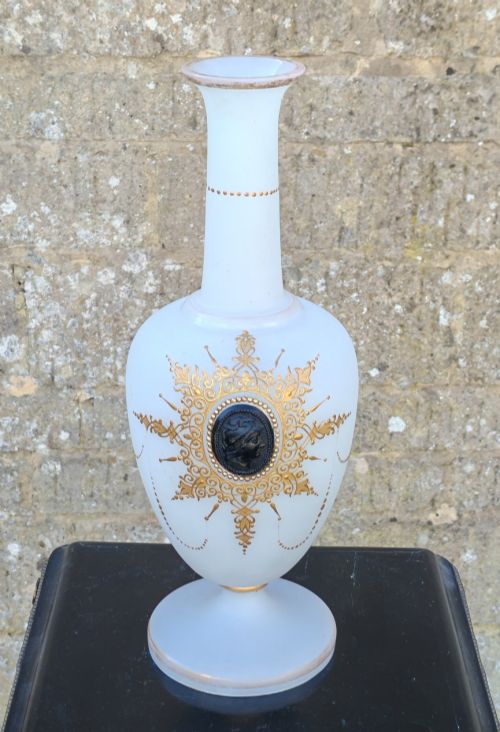
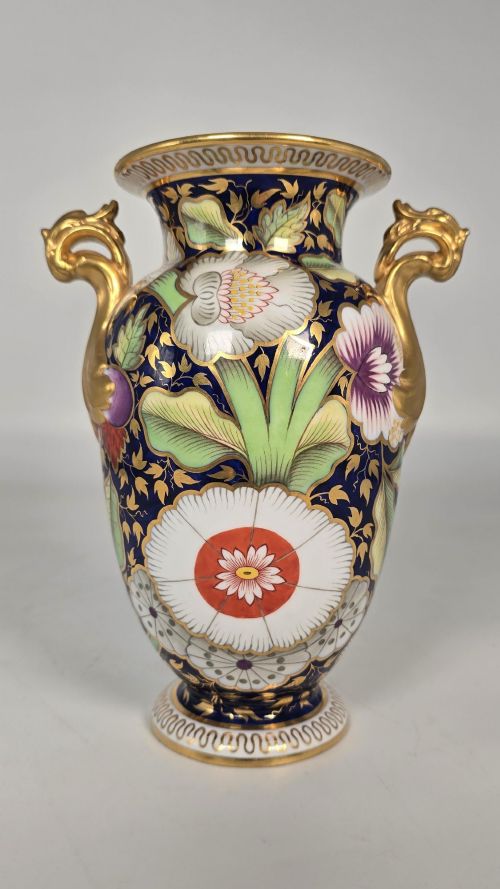
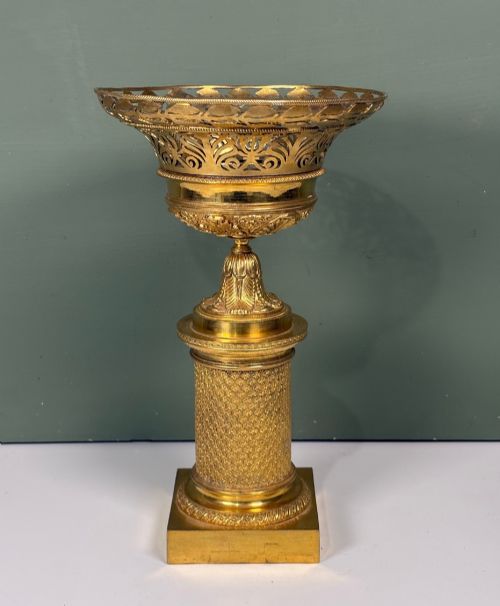
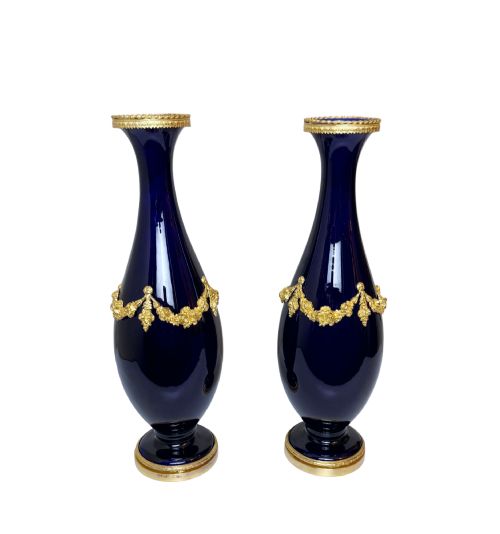

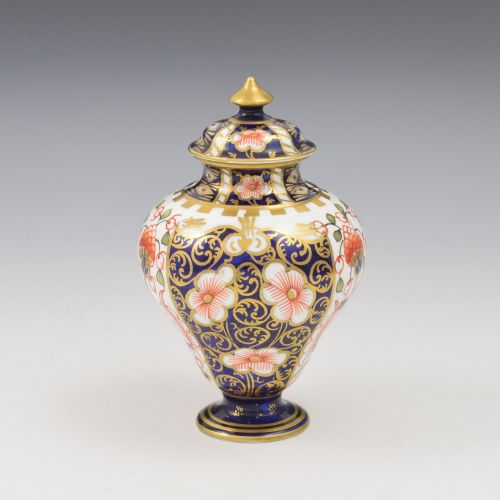
Gilded Decorative Vase
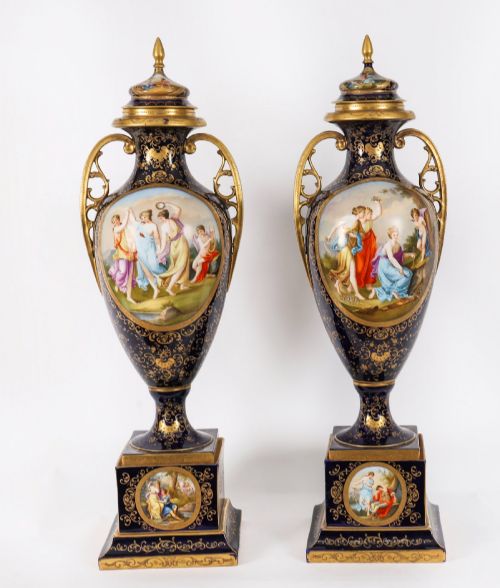
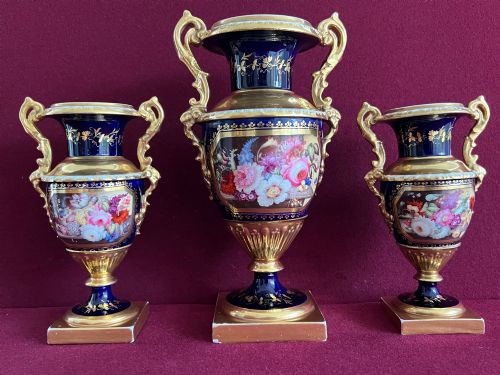
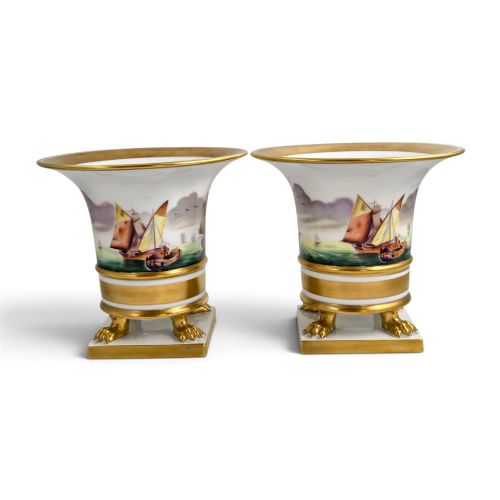
These gilded decorative vase examples bring nineteenth-century ceramic and glass artistry to a room through rich enamel and gold leaf.
Gilded Decorative Vase
A gilded decorative vase combines functional ceramic or glass bodies with applied gold leaf, ormolu trim, or intricate gilt detailing. When searching for this phrase, collectors encounter Victorian campana urns, Edwardian blush ivory pieces, and Japanese Satsuma or Kutani vessels.
The form spans straightforward cabinet vases to monumental temple urns, garnitures, table lamps, and ewers. Nineteenth-century examples frequently draw on Neoclassical, Art Nouveau, or traditional East Asian motifs.
Production ranges from massive Royal Vienna and Staffordshire exhibition pieces down to intimate Royal Crown Derby bud vases. Most surviving pieces date from the nineteenth century through the early twentieth century.
How They Were Made
Makers utilised porcelain, earthenware, and glass as the primary foundations, applying ground gold, gold leaf, or liquid gilding by hand before firing. Enamel decoration and hand-painted floral or figural scenes frequently accompanied the metallic embellishments.
Bronze mounts, ormolu trims, and pierced reticulation added structural complexity to bodies created in moulds or thrown on the wheel. Artisans balanced high-temperature kiln firings with delicate cold-work gilding techniques to achieve lasting metallic contrast.
Gilded Decorative Vase Retail Price Guide 2026
Typical asking prices for gilded decorative vase among the pieces listed under this phrase on Sellingantiques today, from the lower quarter to the upper quarter. They describe what is for sale here now, not the wider market.
What Varies in Quality
The distinction between standard commercial output and exhibition-grade work rests on the precision of the hand-painting and the thickness of the gold application. Signed pieces by established artists or named factories demonstrate superior hand control in fine enamel details.
The integrity of the gilt surfaces and the crispness of moulded ornament define the visual strength of a piece. Balanced proportions in paired garnitures and intact original bronze mounts or covers elevate the standing of the work.
Royal Crown Derby·Royal Worcester·Barr Flight And Barr·Reissner Stellmacher And Kessel·Helena Wolfsohn Dresden
The Gilded Decorative Vase Glossary
- Gilding
- The application of gold leaf or gold powder to the surface of porcelain, glass, or metal. This technique creates reflective highlights that accent the underlying glaze or enamel.
- Campana
- A bell-shaped urn or vase form popular in classical antiquity and revived during the nineteenth century. These vessels often feature twin handles springing from the lower body.
- Garniture
- A set of matching vases or urns designed to be displayed together on a mantelpiece or sideboard. Such sets typically comprise three to five graduated pieces.
- Blush ivory
- A matte cream-coloured porcelain body pioneered by Royal Worcester during the late nineteenth century. It provides a soft ground for naturalistic floral hand-painting.
- Cloisonne
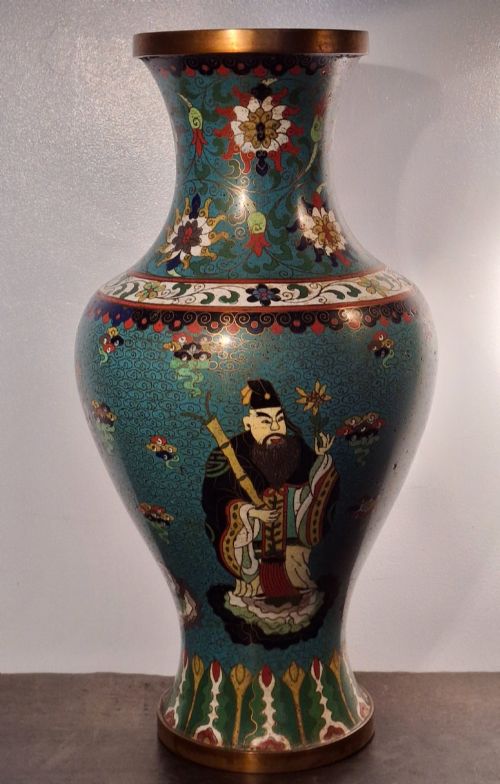
- A decorative technique where enamel paste is applied within compartments defined by soldered metal wires on a vase body. Subsequent firing fuses the glass paste into hard coloured cells.
- Reticulation
- An openwork pattern pierced through the ceramic body of a vase before glazing and firing. This delicate lattice technique requires exceptional skill to prevent distortion in the kiln.
Gilded Decorative Vase: Frequently Asked Questions
How should I clean a gilded vase?
Dust these fragile surfaces gently with a soft dry brush to protect delicate gold leaf and enamel work. Avoid water, abrasive cloths, and chemical cleaners entirely.
Water can loosen old adhesives or degrade delicate cold-painted gilding on nineteenth-century ceramic and glass bodies. Keep antique surfaces dry to preserve their original finish.
Were these vases meant for fresh flowers?
Many historical vases served purely as decorative garnitures or mantel ornaments rather than functional vessels for water. Placing water inside unglazed or antique earthenware can cause moisture damage.
Check the interior glaze before use, though most fine porcelain and glass pieces are safer holding dry arrangements or standing empty.
How do I date an antique vase?
Examine the maker marks stamped, painted, or impressed on the underside of the ceramic base. Factory ciphers often correspond to specific active decades.
Stylistic clues like Art Nouveau curves or Victorian colour palettes help narrow the production window when factory marks are absent or rubbed.
What is the difference between a vase and an urn?
Urns typically feature a footed base, a rounded body, and formal handles, originating from classical funerary or decorative vessels. Vases encompass a broader category of open-topped containers designed for display or holding stems.
In nineteenth-century listings, the terms often overlap for large decorative pieces intended as architectural focal points in a room.