






Gilded Chinese Box
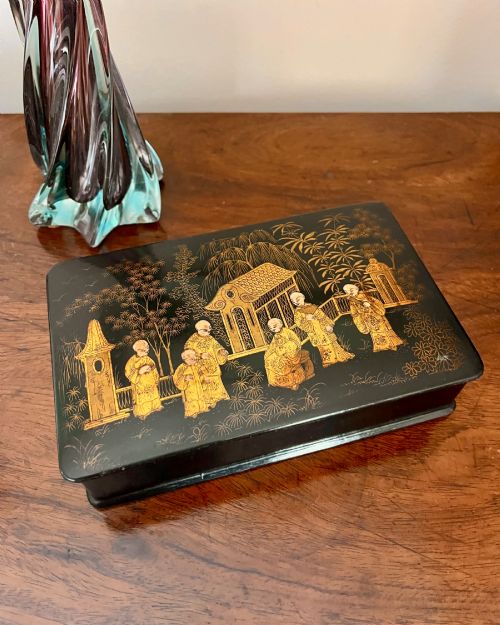
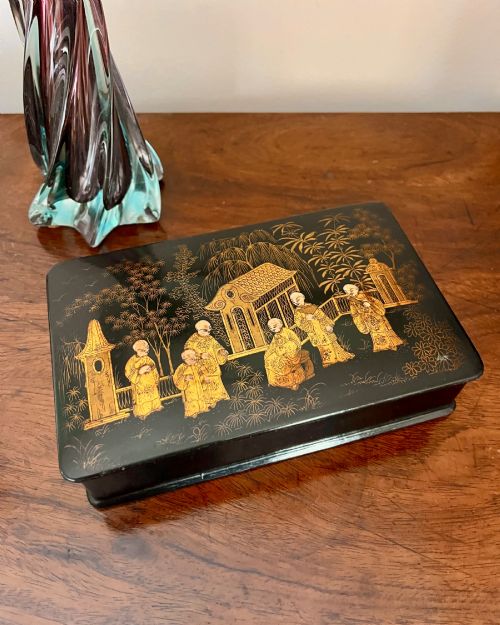
A gilded chinese box brings together rich lacquer surfaces and bright metallic leaf, catching the light in any room.
Gilded Chinese Box
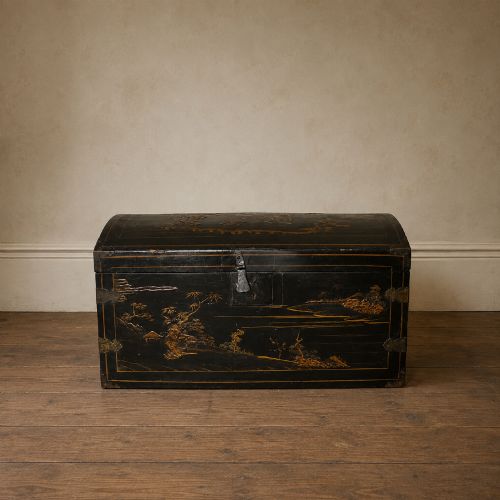
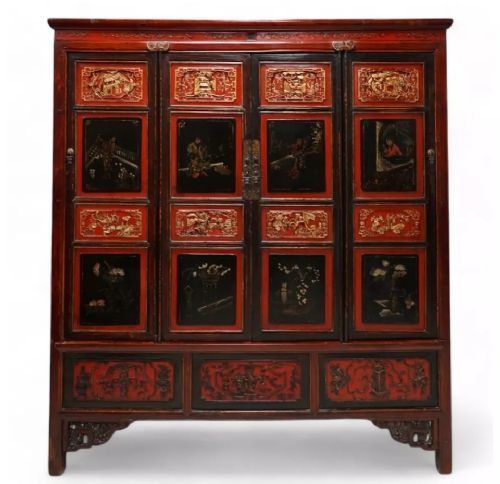
When you search for a gilded chinese box, you encounter pieces that range from small snuff boxes to large tea caddies, chests, trunks, and cabinets. These items originate primarily from the nineteenth and eighteenth centuries, reflecting traditional craftsmanship across various functional forms.
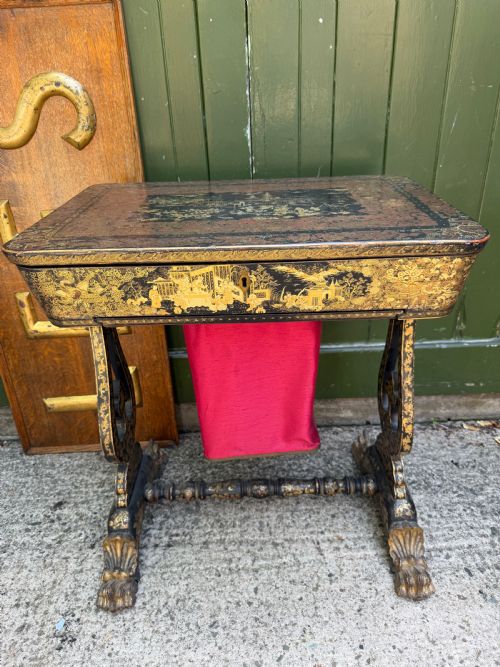
The selection on this page leans heavily toward nineteenth-century lacquerwork, including Chinese Export styles, Qing Dynasty pieces, and Chinoiserie interpretations. You will find items such as work tables, wedding boxes, and decorative caskets alongside smaller personal items.
Materials such as wood, elm, lacquer, gold leaf, and gilt feature prominently across the inventory, often paired with brass or fabric elements. Each object serves both a practical storage purpose and a decorative function within the domestic interior.
How they were made
The construction of these pieces relies heavily on wooden substrates, such as elm and general timber, shaped into chests, caddies, and cabinets. Artisans applied layers of lacquer to these wooden bases to create a durable and smooth foundation.
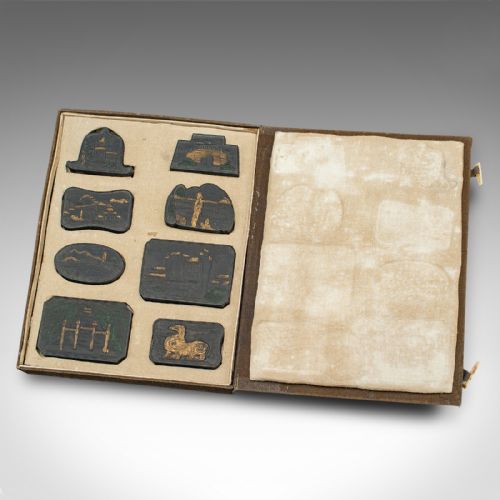
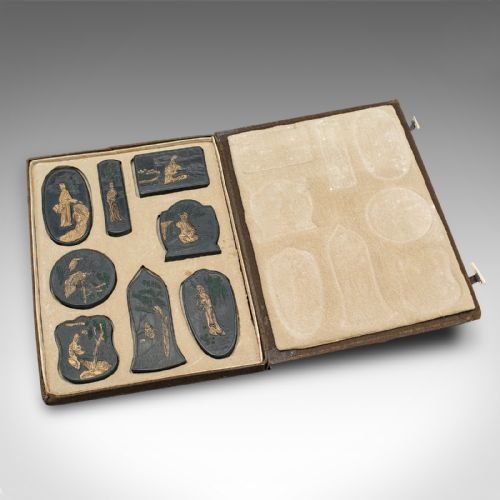
Decoration was achieved using gold leaf and gilt to paint intricate scenes, motifs, and calligraphy onto the dark or coloured lacquer surfaces. Additional hardware in brass and iron was often integrated for hinges, locks, and handles.
Gilded Chinese Box Retail Price Guide 2026
Typical asking prices for gilded chinese box among the pieces listed under this phrase on Sellingantiques today, from the lower quarter to the upper quarter. They describe what is for sale here now, not the wider market.
Listings feature items from the eighteenth and nineteenth centuries, constructed in wood, elm, lacquer, and gold leaf.
What varies in quality
Quality in these items is determined by the fineness of the lacquer finish and the precision of the gold leaf application. Finer examples display crisp, detailed painting that remains clear across complex surfaces like domed chests and table cabinets.
The integrity of the underlying woodwork and the survival of the original gilt decoration heavily influence the overall character of each piece. Superior execution is evident when structural joints remain tight and the decorative motifs retain their depth and lustre.
The Gilded Chinese Box Glossary
- Lacquer
- A durable resin finish applied in multiple layers to wooden objects. It provides a hard, glossy surface that protects the wood beneath.
- Gilt
- A thin layer of gold applied to the surface of an object for decoration. This technique adds bright metallic highlights to dark lacquer.
- Chinoiserie
- European artistic styles that reflect Chinese decorative motifs. These designs were often applied to furniture and boxes made for Western markets.
Gilded Chinese Box: Frequently Asked Questions
What is a gilded chinese box used for?
These boxes served practical purposes such as holding tea, sewing tools, or personal documents. Today, they function primarily as decorative objects that add texture and history to a room.
Larger chests and wedding boxes can sit on the floor or a table as statement pieces, while smaller caddies and snuff boxes fit easily on shelves or desks.
How do I date a lacquer box?
Dating relies on examining the construction methods, the style of the gilt decoration, and the materials used. Nineteenth-century pieces often show specific export patterns and hardware styles.
Comparing the wear patterns and the type of lacquer finish to documented examples helps narrow down the period of manufacture.
Are these pieces made of solid wood?
Many items use a core of timber, such as elm, covered in multiple layers of lacquer. This construction method provides stability and a smooth base for the painted decoration.
Internal compartments and linings may incorporate secondary woods or fabric depending on the specific type of box.
How should I care for antique lacquer?
Keep lacquer pieces away from direct sunlight and extreme humidity changes to protect the finish. Dust them gently with a soft, dry cloth without using harsh cleaning products.
Maintaining a stable indoor climate prevents the wood from expanding and protects the delicate gold leaf decoration.