


Gilded China Serving Platter
These gilded china serving platter examples bring rich colour and hand-painted detail to the table, offering a tangible link to centuries of formal dining.
Gilded China Serving Platter
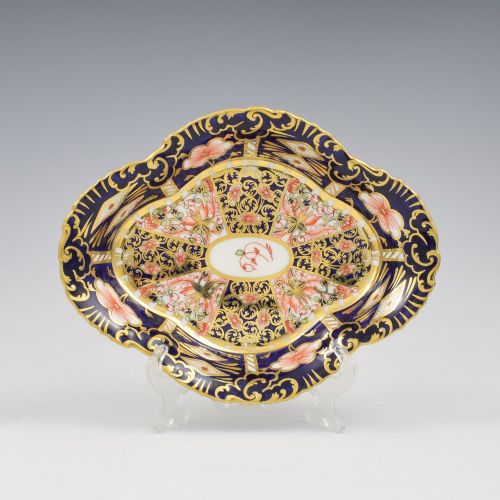
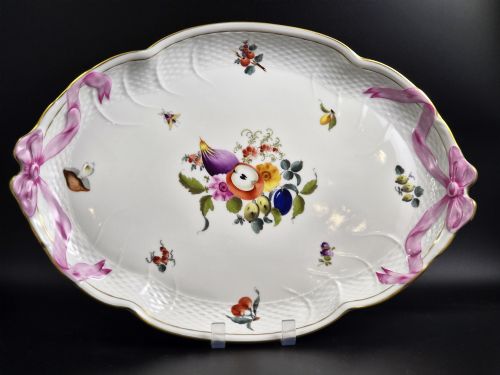
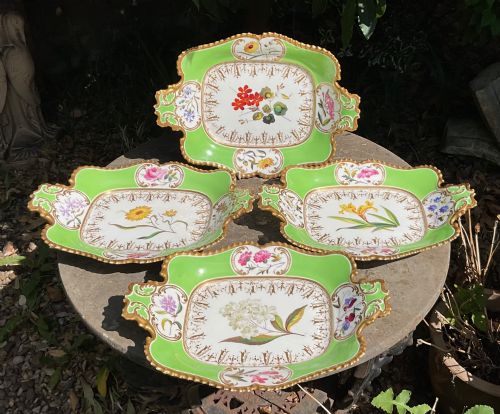
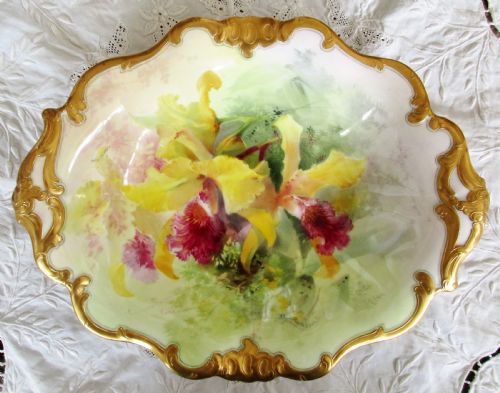
When you search for a gilded china serving platter, you are looking at large ceramic dishes designed to present food at the table or display fruit and flowers in a cabinet. These pieces range from deep lobed serving dishes and oval plates to twin-handled serving dishes and cabinet trays.
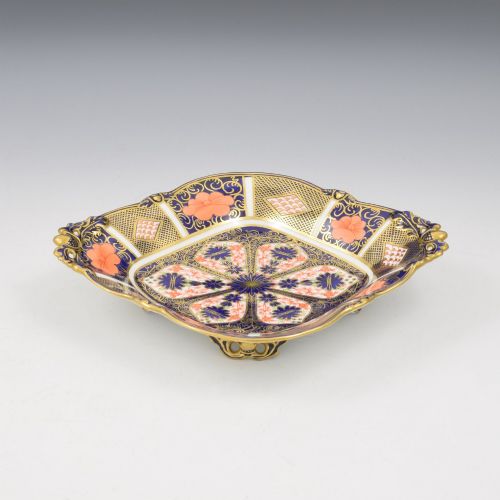
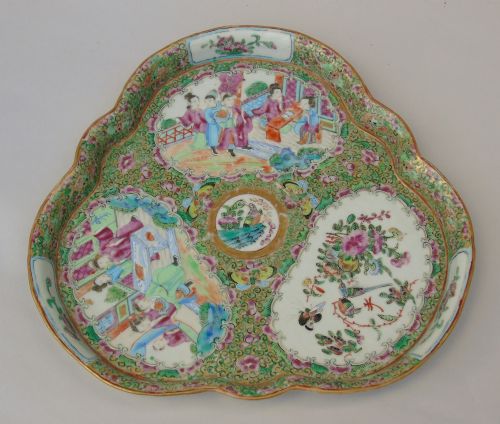
The selections on this page emerge primarily from nineteenth-century Georgian, Regency, and Victorian periods, alongside early twentieth-century examples up to the nineteen-thirties. You will encounter traditional English forms as well as vibrant patterns inspired by Japanese designs.
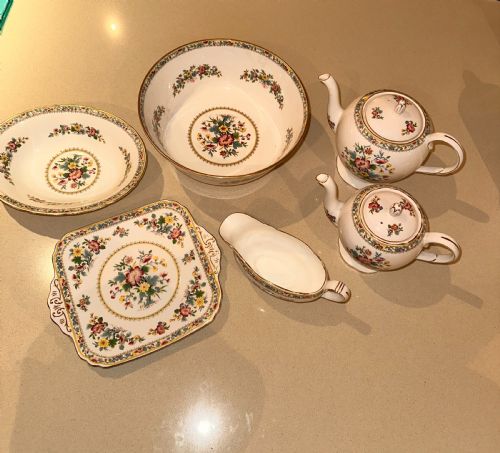
The variety spans utilitarian serving dishes and ornamental cabinet pieces, reflecting how households utilised decorated ceramics across different eras. Many pieces form part of larger dessert or dinner services produced by prominent English potteries.
How they were made
The makers relied on porcelain, bone china, earthenware, and ironstone as the primary ceramic bodies for these platters. Potters shaped these materials into moulded dessert serving dishes, trefoil trays, and pierced serving trays before applying glazes.
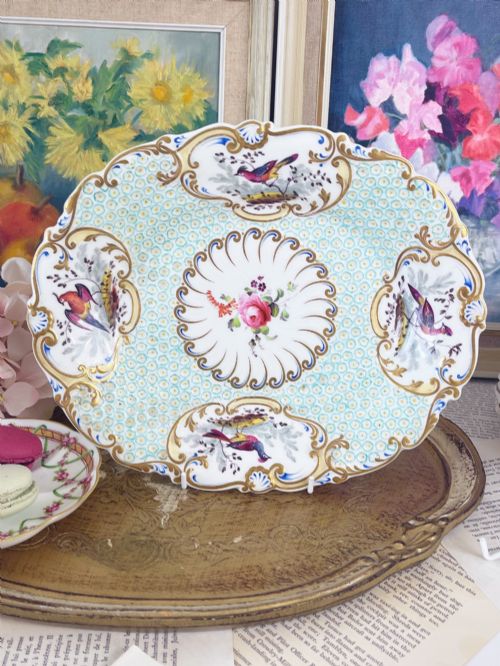
Decoration relied heavily on hand-painted details, botanical studies, and ornithological scenes combined with gold leaf, gold gilt, and enamel applications. Artisans fused these metallic elements and pigments to the ceramic surface through multiple kiln firings.
Listings feature porcelain, bone china, earthenware, and ironstone bodies decorated with gold leaf, gold gilt, and hand-painted enamel.
What varies in quality
Quality rests upon the crispness of the porcelain moulding and the precision of the hand-painted brushwork. Superior examples display delicate botanical or avian studies executed by skilled hands rather than mechanical transfer printing.
The application of gold leaf and enamel also dictates the standing of a piece, with richer, heavier gilding and well-preserved burnishing separating standard wares from finer cabinet dishes. The clarity of the ceramic body and the complexity of the form further distinguish the range.
Royal Crown Derby·Herend·H and R Daniel·Chamberlains Worcester·Royal Doulton·Rockingham Pottery·Minton·Coalport·Royal Worcester·Ridgway
The Gilded China Serving Platter Glossary
- Bone China
- A type of soft-paste porcelain incorporating animal bone ash, resulting in a strong, slightly translucent ceramic body used widely in English tableware.
- Imari
- A decorative style characterised by underglaze blue and overglaze iron red, green, and gold, heavily adopted by English factories during the Regency and Victorian periods.
- Gilt
- A thin layer of gold applied to the surface of the ceramic, often burnished to a high shine along the rims and handles of serving dishes.
- Earthenware
- A porous, opaque ceramic body fired at lower temperatures than porcelain, frequently utilised for nineteenth-century ironstone and dessert shapes.
- Cabinet Dish
- An ornamental ceramic piece intended primarily for display in a cabinet rather than functional use at the dining table.
Gilded China Serving Platter: Frequently Asked Questions
How were these platters used?
These dishes served as central platters for presenting meats, fish, fruit, or dessert courses during formal nineteenth-century dining. They sat upon the dining table to hold food or functioned as cabinet dishes displayed in reception rooms.
Over time, many serving platters transitioned from active dining service to decorative cabinet display as domestic dining habits shifted and matching services became incomplete.
Can I still use them for food?
Most of these antique platters tolerate light service use, though hand washing is necessary to protect the fragile gold leaf and enamel overglaze details. Older ceramic bodies can be sensitive to thermal shock.
Many collectors prefer to use them strictly for dry foods, fruit, or as decorative trays to prevent wear on the historical hand-painted surfaces.
How do I identify the period?
Dating relies on factory marks stamped or painted on the underside, alongside the stylistic indicators of the ceramic body and hand-painted motifs. Georgian and Regency pieces often feature specific ironstone or soft-paste characteristics.
Reference books and recorded factory patterns help narrow down the decade of production, matching styles like English Imari or botanical services to their specific eras.
What is the difference between porcelain and ironstone?
Porcelain is a vitrified, translucent ceramic fired at high temperatures, offering a refined and delicate appearance suited for high-end cabinet dishes. Ironstone is a dense, durable earthenware developed to withstand heavier daily use.
While both materials receive similar gilding and hand-painted decoration, porcelain pieces generally present a thinner profile and greater translucency when held to the light.