
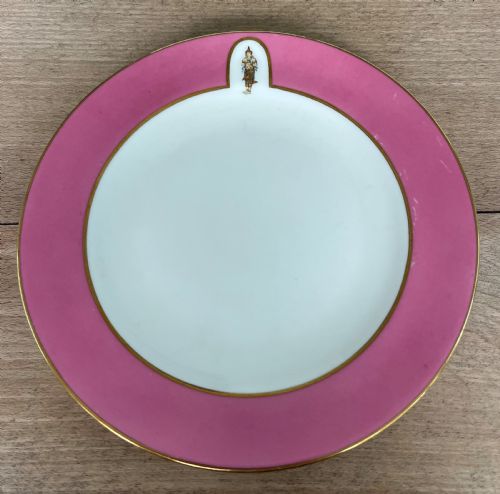


Gilded China Dessert Plate
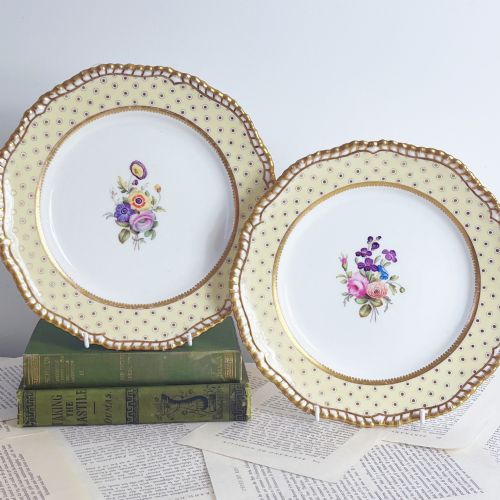
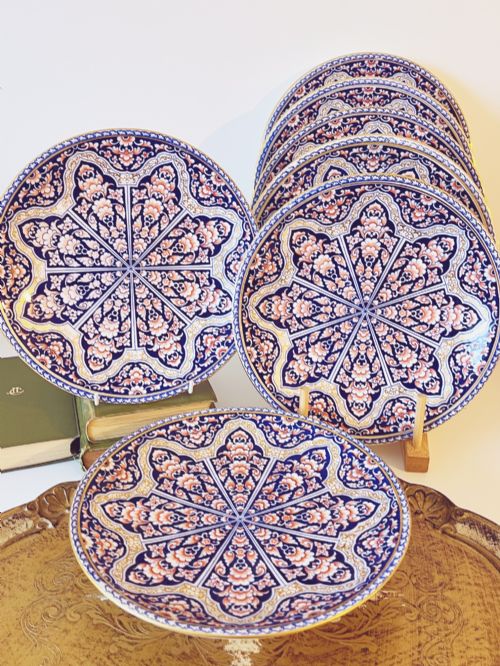
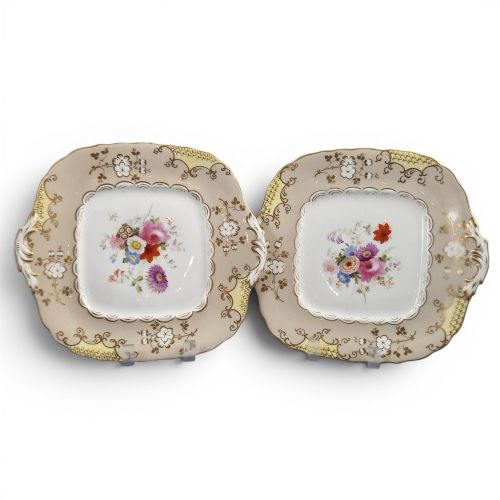
These gilded china dessert plate pieces bring Regency and Victorian elegance to the table, offering hand-painted scenes and rich gold work.
Gilded China Dessert Plate
A gilded china dessert plate is a decorative ceramic piece designed for the final course of a formal meal. You will find single plates, pairs, and parts of larger services spanning the Georgian, Regency, and Victorian periods.
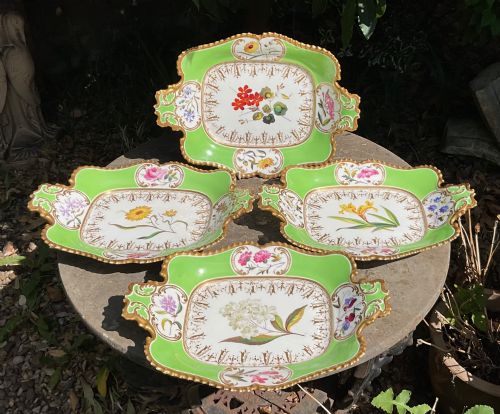
The selections here range from botanical serving dishes to cabinet plates bearing armorial crests or topographical views. Many come from notable porcelain houses active during the nineteenth and early twentieth centuries.
Makers such as Spode, Chamberlain Worcester, and Royal Crown Derby dominate these offerings, providing shapes suited for display or occasional use. Each item reflects the changing tastes of British dining rooms from eighteen hundred onwards.
How they were made
Potters shaped these objects using porcelain, bone china, or ironstone before applying hand-painted enamels and gold leaf. Artisans painted botanical motifs, birds, and landscapes directly onto the ceramic body.
Gilding was applied by hand using gold gilt or leaf, then fired in a kiln to bond the metal to the glaze. Raised paste gilding and burnishing created the bright metallic highlights seen on Regency and Victorian borders.
Some plates feature exotic Jabberwocky patterns, bringing a touch of whimsical Georgian fantasy to the dessert table.
What varies in quality
Quality rests primarily on the skill of the hand painting and the crispness of the porcelain moulding. Plates featuring named botanical studies or detailed topographical views by known artists command greater attention.
The preservation of the original gilding and enamel colours dictates the overall visual impact of the piece. Heavy, burnished gold work applied over moulded basketweave or shaped rims indicates a higher grade of manufacture.
Spode·Royal Crown Derby·Chamberlains Worcester·Coalport·Cauldon Ltd·Rockingham Pottery·Derby Porcelain·Minton·Flight Barr And Barr·Masons·Wedgwood·Bloor Derby·Kerr And Binns
The Gilded China Dessert Plate Glossary
- Bone china
- A type of porcelain incorporating bone ash for strength and translucency. It became a standard material for British dessert services.
- Gilding
- The application of gold leaf or powder to ceramic surfaces for decorative effect. This was often burnished to a high shine after firing.
- Armorial
- A design featuring a coat of arms or family crest. These plates were often commissioned by prominent households.
- Comport
- A raised dish or bowl used as the centrepiece of a dessert service. It stands on a foot or pedestal above the surrounding plates.
- Ironstone
- A dense, durable ceramic developed as a tougher alternative to porcelain. Mason's notably utilised this material for patterned dishes.
Gilded China Dessert Plate: Frequently Asked Questions
Are these plates safe to use for food?
While these items were originally made for dining, age and delicate enamels mean most are handled as decorative objects today. Hand washing in lukewarm water preserves the fragile gold leaf.
Acidic foods can also harm nineteenth-century enamel colours. Displaying them on plate stands or in cabinets keeps them safe from accidental chips.
How do I date a Worcester plate?
Worcester pieces often rely on specific factory marks, pattern numbers, and partnership names printed or painted on the reverse. Names like Flight, Barr and Barr or Chamberlain give a precise decade.
Style shifts also help, moving from neoclassical Regency borders to elaborate Victorian floral reserves. Comparing the paste and weight provides further clues to the manufacturing era.
What is a dessert service?
A dessert service is a matched set of plates, serving dishes, and comports designed for the fruit and sweet course of a formal dinner. They were often displayed on the table together.
Many services were split over time, leaving today's buyers with pairs or single cabinet plates. Finding a complete service remains an uncommon occurrence.