


Gilded Ceramic Teacup
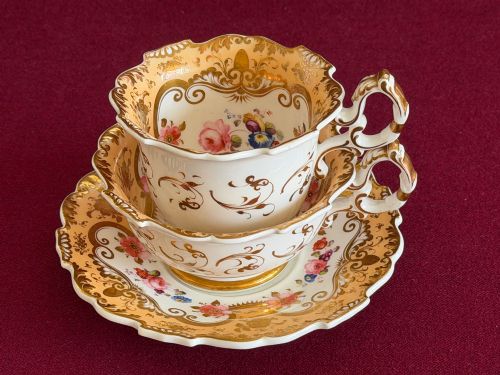
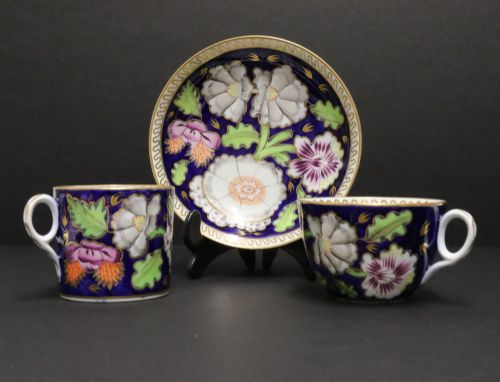
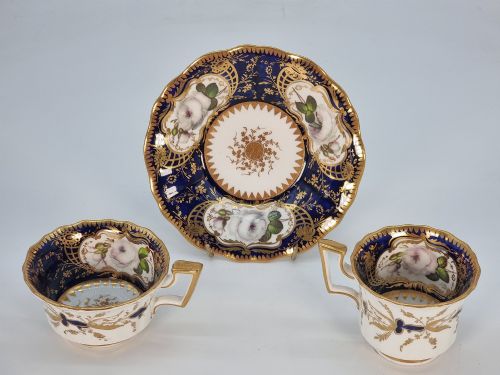
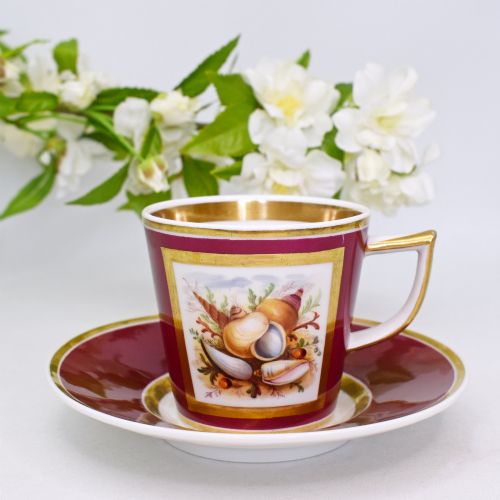
These gilded ceramic teacup pieces bring Georgian, Regency and Victorian elegance to the table through hand-painted porcelain and rich gold leaf.
Gilded Ceramic Teacup
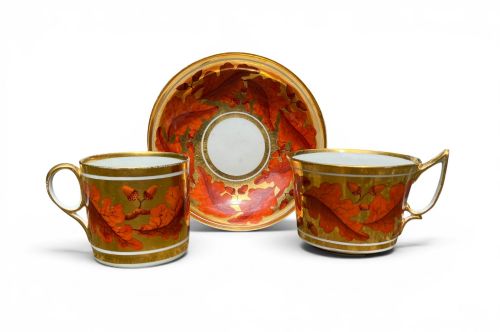
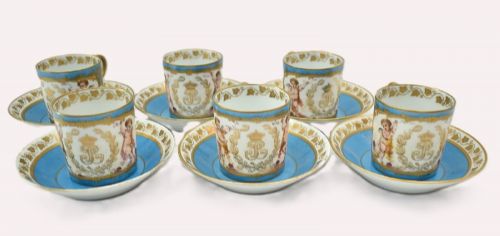
When you search for a gilded ceramic teacup, you examine delicate porcelain and bone china vessels produced across the eighteenth, nineteenth and early twentieth centuries. These pieces appear as individual tea bowls, coffee cans, trios and larger afternoon tea services intended for formal dining.
You are most likely to meet English factory wares from the Regency and Georgian periods, alongside later Victorian and Edwardian examples. Worcester, Coalport and Spode dominate the forms, frequently accompanied by saucers and matching side plates.
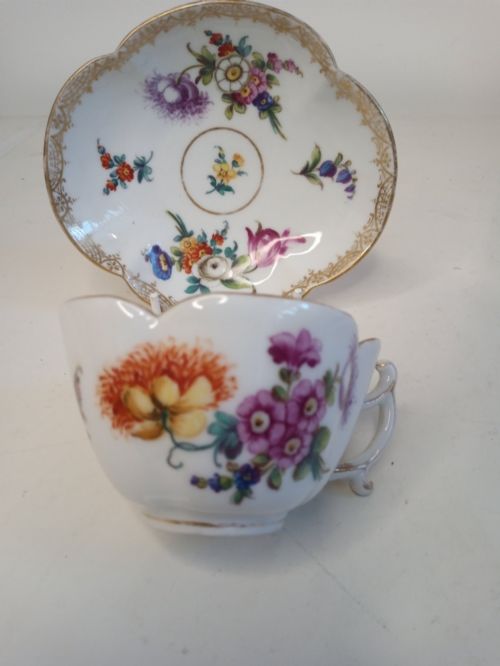
Continental and Asian makers also emerge within the selection, offering distinct decorative styles ranging from classical hand-painted scenes to intricate enamel borders. Each format reflects the social rituals of tea drinking across successive historical eras.
How they were made
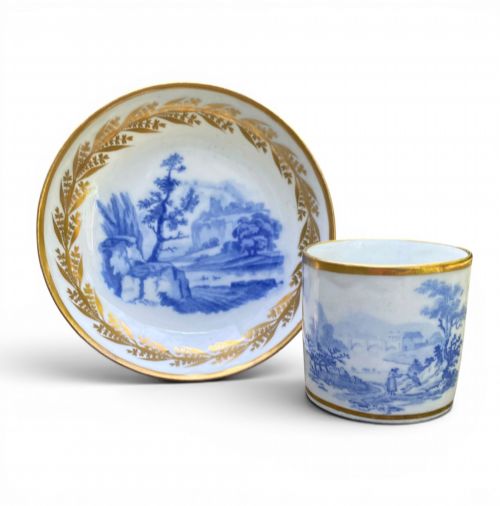
Potters shaped these objects using hard-paste and soft-paste porcelain, bone china, or ironstone, fired in traditional kilns to achieve a dense, vitreous body. Artisans then applied underglaze cobalt or hand-painted enamel motifs directly onto the ceramic surface before adding metallic ornamentation.
Gilding was executed using gold leaf, gilt, or gold paint applied by hand around the rims, handles and borders. The pieces returned to the kiln for a final low-temperature firing to fuse the metallic layer permanently to the glaze.
The listings span the 18th Century, Regency, Victorian and 1930 periods, utilising porcelain, bone china, ironstone and gold leaf.
What varies in quality
The standard of a piece rests upon the precision of the hand-painted brushwork and the purity of the porcelain body. Superior examples display crisp botanical or figural details that remain sharp under close inspection, whereas lesser items show hurried or formulaic decoration.
The application and burnishing of the gilding further distinguish the grade of the work. Thick, neatly burnished gold leaf denotes a finer workshop origin than thin, flat paint that has worn unevenly through age and use.
A H & R Daniel·New Hall·Coalport John Rose·Rockingham·Derby·Sevres·Worcester·Royal Worcester·Chamberlain Worcester·Hicks Meigh Johnson·Kusnetzoff·Doric China Longton Stafford·Moser·Masons Patent Ironstone·Davenport·Taniguchi·Duesbury And Kean·KPM Berlin·Spode·Wileman Foley Shelley·Hutschenreuther
The Gilded Ceramic Teacup Glossary
- Trio
- A matched set consisting of a teacup, a saucer and a tea plate. These groupings became popular during the nineteenth century for formal afternoon tea.
- Tea Bowl
- A handleless drinking vessel used in the eighteenth century before teacups with handles became standard. They derive from Chinese ceramic forms imported during the trade expansion.
- Coffee Can
- A small, straight-sided cylindrical cup designed specifically for serving strong black coffee. They frequently accompany matching saucers in Georgian and Regency cabinet sets.
- Bat Printing
- A transfer-printing technique using a flexible glue bat to convey delicate stippled designs onto porcelain. This method created fine grey or sepia landscapes popular in the early nineteenth century.
- Soft-Paste Porcelain
- An artificial ceramic paste fired at lower temperatures than hard-paste porcelain. It produces a warm, creamy translucent body favoured by early English factories.
Gilded Ceramic Teacup: Frequently Asked Questions
How were these teacups used?
These vessels functioned primarily during formal social gatherings, where hosts served tea or coffee to guests from matching ceramic sets. Wealthy households displayed them in cabinets when not in active use.
Over time, the ritual shifted from communal brewing to individual place settings, increasing the demand for complete trios and larger afternoon tea services.
Can I use antique teacups daily?
Using antique porcelain requires care because historical glazes and hand-applied gilding react poorly to modern dishwashers and harsh detergents. Hand washing in lukewarm water preserves the fragile enamel and metallic details.
Sudden temperature changes can also cause hairline cracks in older ceramic bodies, so pouring boiling water directly into a cold cup should be avoided.
How do I tell periods apart?
Georgian and Regency pieces often feature soft-paste bodies, hand-painted floral motifs and delicate handle shapes without factory marks. Victorian items tend to introduce heavier gilding, transfer printing and stamped registry marks.
Twentieth-century examples display standardised shapes, brighter machine-assisted palettes and clear manufacturer backstamps beneath the glaze.
What does cabinet trio mean?
A cabinet trio refers to a matched cup, saucer and plate intended for display rather than robust daily use. These sets usually exhibit superior artistic execution, such as elaborate gilding or hand-painted pastoral scenes.
Collectors prized them for their decorative impact inside glass-fronted furniture rather than their utility at the dining table.