





Gilded Ceramic Pot
A gilded ceramic pot brings together the lustre of applied metal and the quiet discipline of clay across centuries of European and Asian studio craft.
Gilded Ceramic Pot
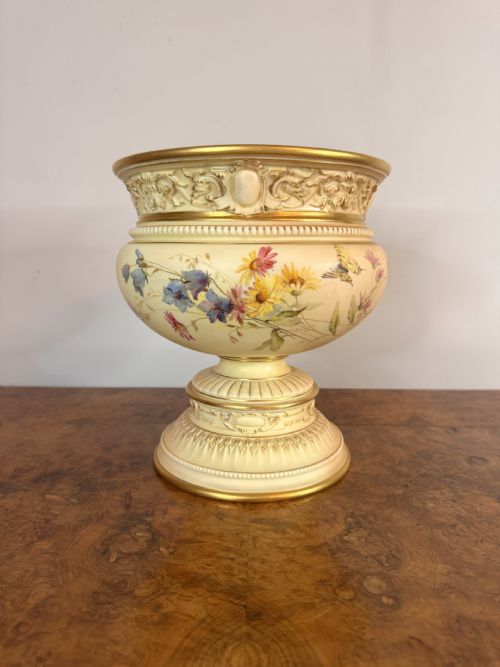
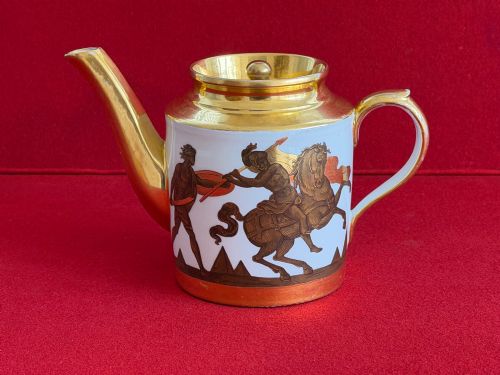
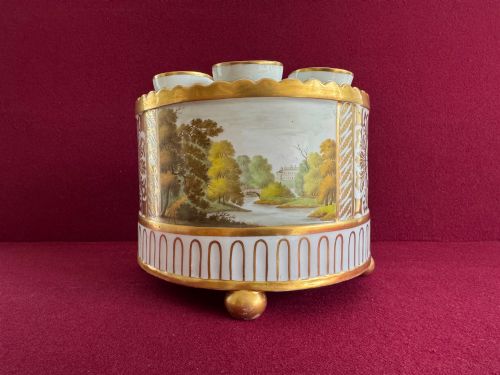
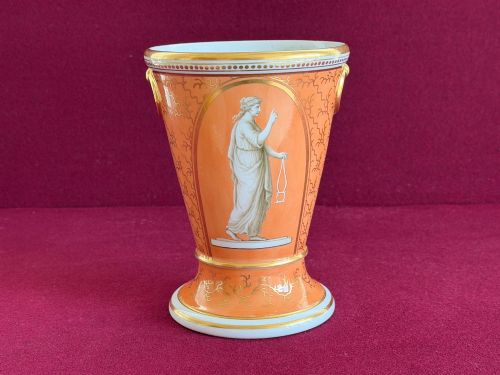
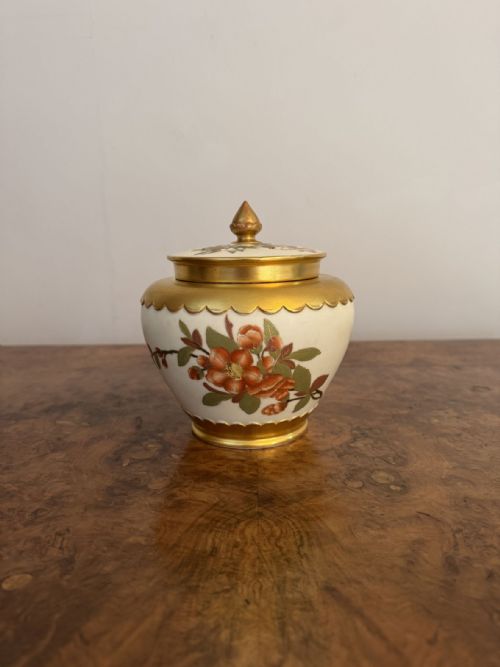
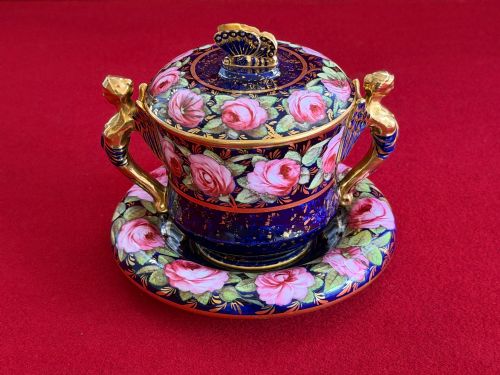
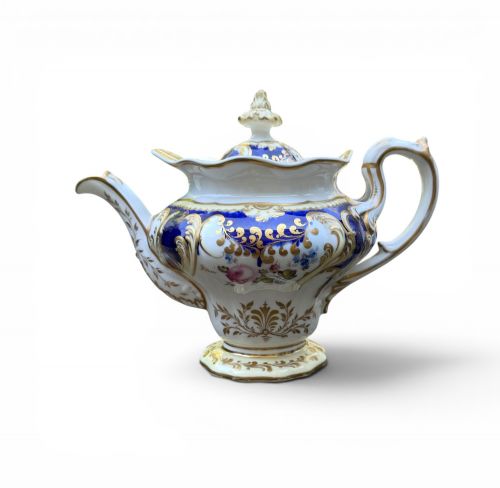
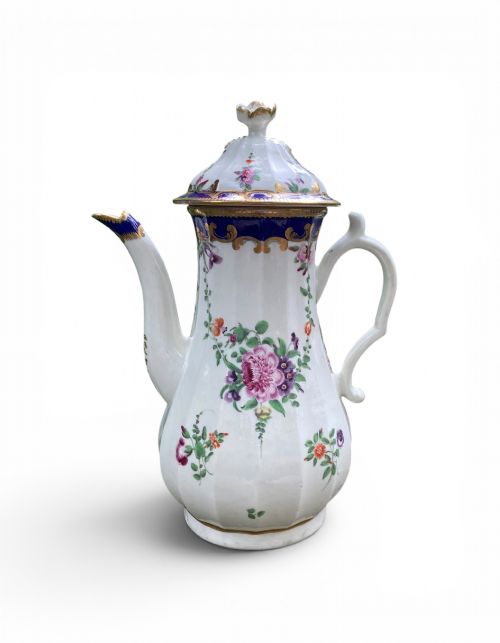
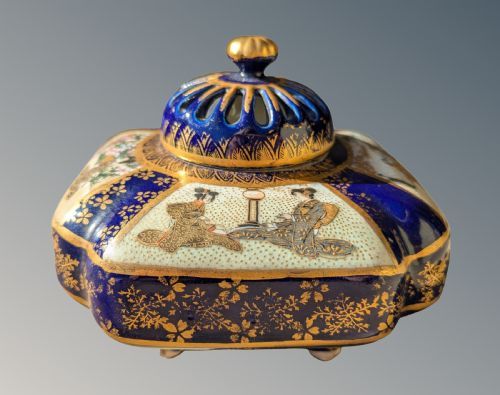
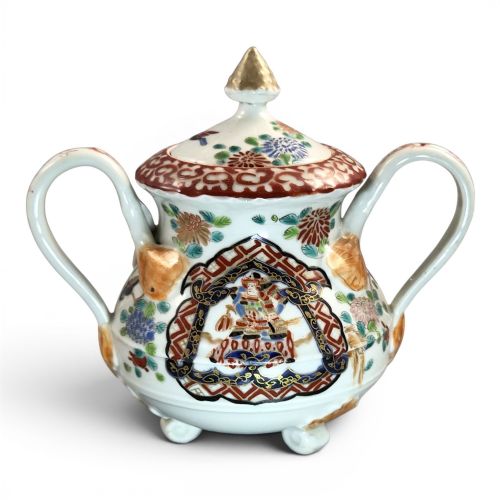
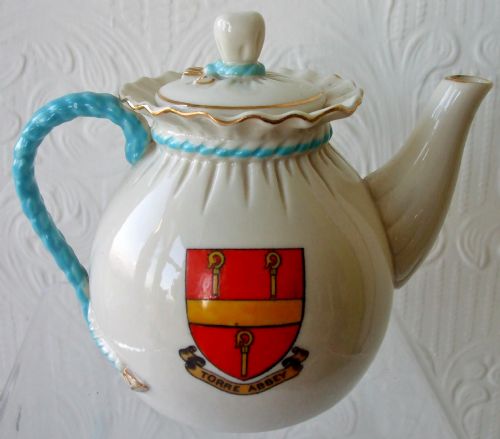
A gilded ceramic pot on this page typically takes the form of a jardiniere, teapot, coffee pot, sugar bowl, or lidded potpourri jar, spanning the eighteenth, nineteenth, and twentieth centuries. These vessels served domestic functions in English, French, and Japanese settings, ranging from tea service to floral display.
The English examples lean heavily toward Georgian and Victorian porcelain and bone china from factories like Worcester, Spode, and Royal Worcester. Alongside these appear Japanese Satsuma and Imari earthenware and porcelain from the Meiji period, often marked by distinct studio origins.
Buyers meet vessels shaped by specific stylistic movements, including Rococo Revival curves, Regency symmetry, and Art Deco geometry. The combination of ceramic bodies with gold leaf, enamel, and gilt detailing unites these diverse utilitarian and decorative objects under a single heading.
Materials and technique
The makers formed these vessels using porcelain, bone china, pearl ware, and earthenware, applying glazes before or after secondary firing stages. Gold leaf, gilding, and enamel were then painted or laid onto the ceramic surface to create metallic highlights.
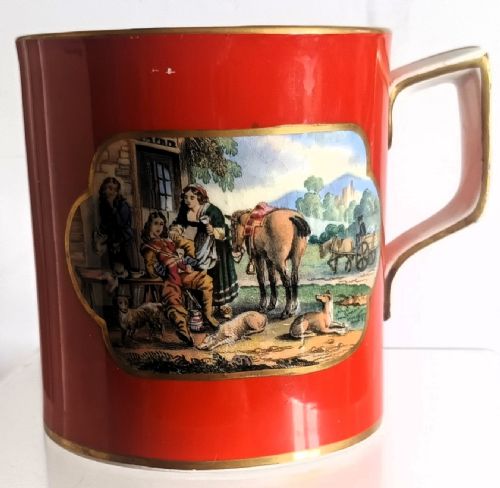
Intricate hand-painting frequently accompanied the gilding process, visible in botanical studies, figural scenes with samurai, and fruit motifs executed by named artists. Potters shaped the clay bodies into vases, urns, and jars, balancing structural integrity with decorative refinement.
Gilded Ceramic Pot Retail Price Guide 2026
Typical asking prices for gilded ceramic pot among the pieces listed under this phrase on Sellingantiques today, from the lower quarter to the upper quarter. They describe what is for sale here now, not the wider market.
Listings feature porcelain, earthenware, and bone china decorated with gold leaf and enamel across the eighteenth, nineteenth, and twentieth centuries.
Craft and detail
Quality rests in the precision of the hand-painting and the durability of the applied gilding over the ceramic body. Pieces decorated by documented artists or originating from esteemed studios show greater control in brushwork and enamel application.
The sophistication of the form, whether a moulded rococo handle or a finely potted Japanese koro, distinguishes standard utilitarian wares from superior decorative examples.
John Rose Coalport·Flight And Barr·Royal Worcester·Royal Doulton·Doulton Burslem
The Gilded Ceramic Pot Glossary
- Jardiniere
- An ornamental pot or stand designed to hold growing plants or flowers. These vessels often feature substantial glazed and gilded surfaces.
- Sucrier
- A small bowl or pot intended for holding sugar during tea service. They frequently include lids and matching stands.
- Bough pot
- A vessel designed specifically for holding cut boughs of flowers or greenery. These containers commonly appear in Georgian porcelain.
- Gilding
- The application of gold leaf or powdered gold onto a ceramic surface. It provides the metallic sheen characteristic of these pieces.
Gilded Ceramic Pot: Frequently Asked Questions
How do I clean a gilded ceramic pot?
Dust the surface gently with a soft, dry cloth to protect the delicate gold leaf and enamel details.
Avoid liquid cleaners or abrasive materials, as moisture and scrubbing can wear away historic gilding.
Were these pots used daily?
Many pots, such as teapots, coffee pots, and sugar bowls, served practical functions in dining rooms and parlours.
Others, like jardineres and potpourri jars, remained purely decorative items intended to scent or brighten domestic spaces.
How do I identify the period of a piece?
Examine the base for factory marks, pattern numbers, and stylistic cues such as Regency symmetry or Art Deco geometry.
Material composition, including bone china versus earthenware, also helps narrow down the manufacturing decade.
Can I use a jardiniere for live plants?
While jardinieres were originally built to house plants, historic ceramics can be sensitive to moisture and mineral deposits.
Using a removable inner liner protects the interior glaze and the exterior gilded finish from water damage.