




Gilded Ceramic Display Platter
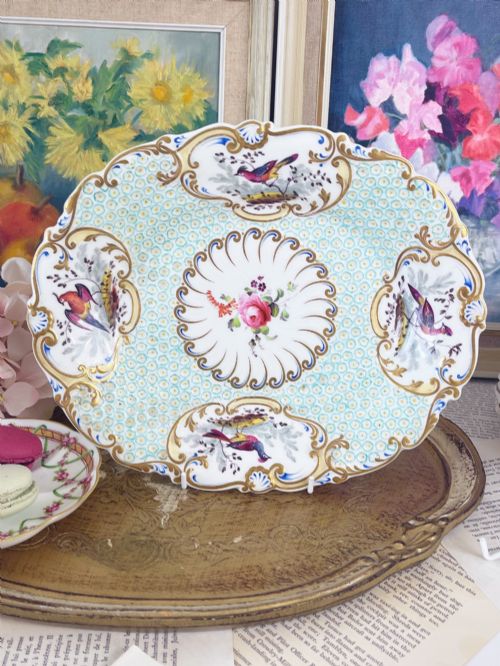
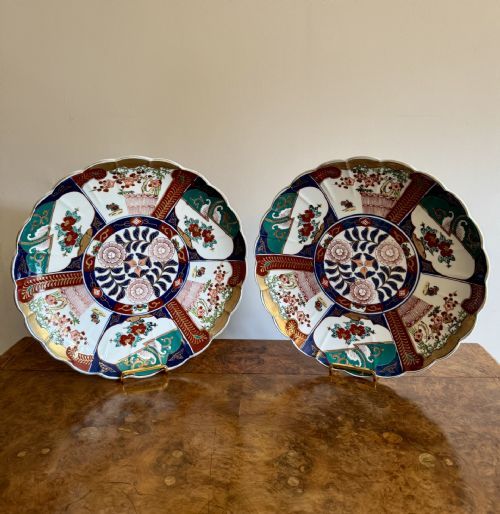
These gilded ceramic display platters bring together centuries of intricate hand-painted detail and metallic lustre for striking wall or cabinet display.
Gilded Ceramic Display Platter
A gilded ceramic display platter is a decorative ceramic piece designed for visual impact rather than dining, encompassing chargers, cabinet plates, and large serving dishes. When searching for a gilded ceramic display platter, collectors frequently encounter grand Japanese Imari chargers and nineteenth-century European porcelain plates.
The forms span sweeping round chargers, scalloped edges, fan-shaped plates, and oval serving dishes originating from the nineteenth century, Victorian era, and Georgian periods. British factories such as Coalport, Mintons, and H & R Daniel sit alongside continental makers like Vienna and Sevres, as well as extensive Japanese export wares.
These items were intended to command attention in drawing rooms and dining parlours, mounted on walls or displayed upright on cabinets. The selection reflects both Eastern export traditions and European neoclassical tastes of the nineteenth century.
How they were made
Makers utilised hard-paste porcelain and standard ceramic bodies, applying complex mineral glazes as the foundation for detailed imagery. Artisans then built up the designs using overglaze enamel paint, incorporating floral, avian, and mythological motifs by hand.
The distinctive metallic highlights rely upon gold leaf and precise gilding techniques applied over the glaze. Firing processes locked the pigments and precious metals onto the ceramic surface, creating durable yet decorative presentation pieces.
Listings feature hard-paste porcelain and ceramic bodies decorated with gold leaf, enamel, and intricate hand-painted glazes.
What varies in quality
Quality rests upon the precision of the hand-painted brushwork and the complexity of the subject matter, such as detailed mythological scenes or fine botanical studies. The crispness of the gilt work and the depth of the enamel colours distinguish standard production items from exceptional exhibition pieces.
The scale and ambition of the ceramic blank also dictate standing, with larger chargers and unusual moulded forms requiring greater technical mastery during the firing process to prevent warping.
H & R Daniel·Coalport·Mintons·Sevres·Fukagawa
The Gilded Ceramic Display Platter Glossary
- Charger
- A large decorative plate or dish traditionally intended for display rather than practical dining use. These pieces often measure over twenty inches in diameter.
- Imari
- A traditional style of Japanese porcelain featuring a distinct palette of underglaze blue and iron red, frequently augmented with abundant gilding. The style originated in the Edo period and proved widely influential in the West.
- Gilding
- The application of gold leaf or gold dust to the ceramic surface to create metallic highlights. This technique enhances the decorative appeal of cabinet plates and chargers.
- Overglaze enamel
- Coloured glass powder painted onto a previously fired and glazed ceramic surface, then fixed with a subsequent low-temperature firing. This method allows for a brilliant range of hues.
- Hard-paste porcelain
- A dense, durable ceramic composed of kaolin and petuntse fired at very high temperatures. It forms the robust body of many fine European and Asian display pieces.
Gilded Ceramic Display Platter: Frequently Asked Questions
How do I hang a heavy ceramic charger?
Large chargers require robust, correctly sized spring-loaded brass wall hangers that distribute the weight evenly across the rim. Ensure the fixture is anchored securely into a wall stud rather than relying on standard plaster plugs.
Avoid wire attachments glued to the footring, as these can fail over time. Check the tension of the spring clips periodically to maintain a firm grip.
Were these platters used for dining?
Most large chargers and cabinet plates were made specifically for visual display in reception rooms and dining parlours. Their elaborate overglaze enamels and delicate gilding were easily damaged by cutlery and daily washing.
Smaller serving dishes from firms like Coalport or H & R Daniel did see occasional table use, but surviving examples in good condition generally spent their lives on sideboard stands.
How do I distinguish Imari styles?
Japanese Imari pieces from the Meiji and Edo periods typically combine deep cobalt blue underglaze with vibrant iron-red overglaze, tied together with generous gold leaf. European factories frequently imitated these Japanese export designs during the nineteenth century.
Examining the paste and the base helps determine origin; Japanese wares often feature unglazed footrims, while European copies bear factory stamps or distinct porcelain bodies.