




Gilded Ceramic Charger
A gilded ceramic charger brings heavy hand-painted presence to a room, offering rich metallic leaf alongside intricate porcelain or earthenware forms.
Gilded Ceramic Charger
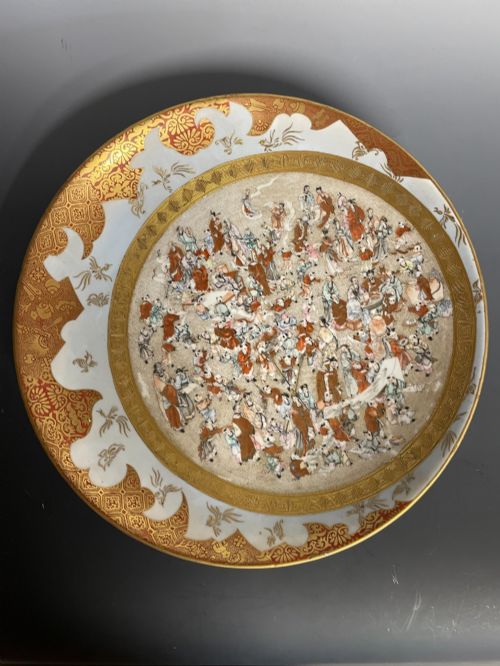
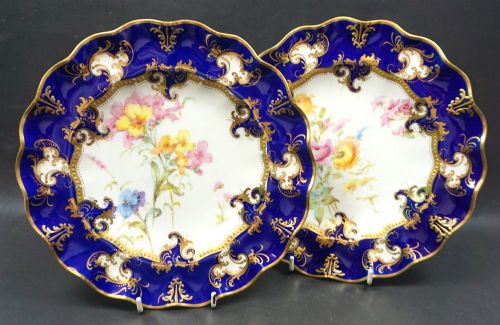
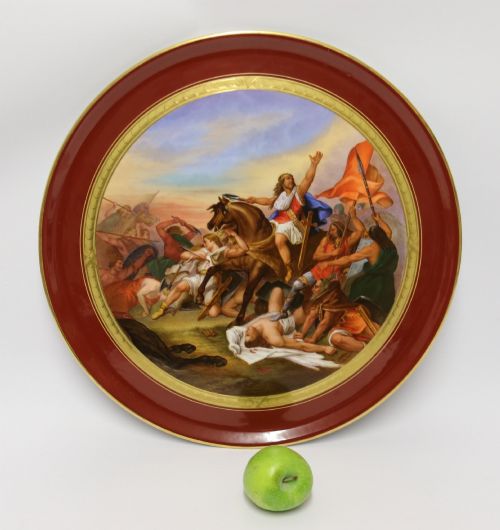
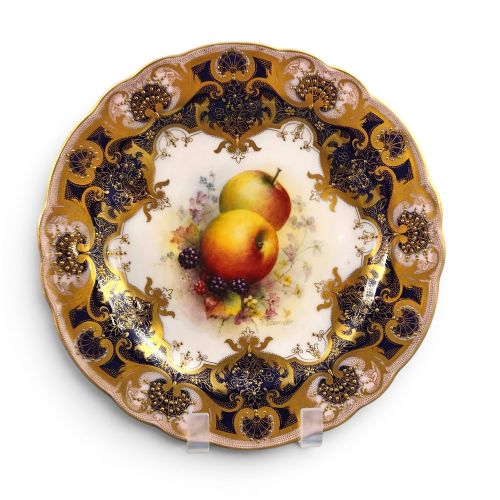
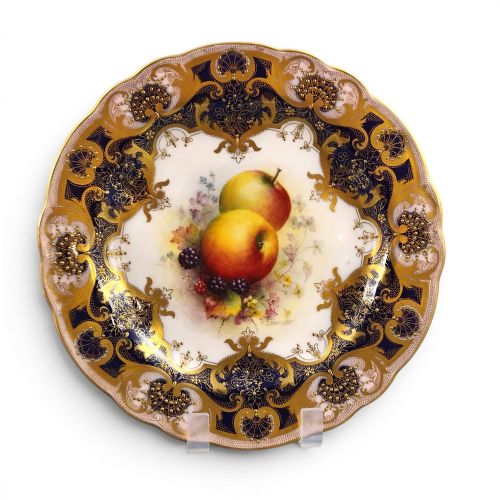
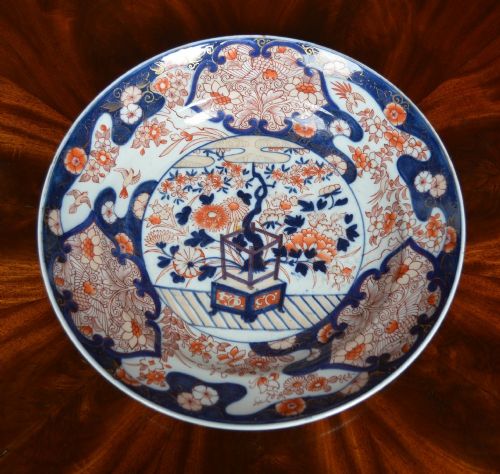
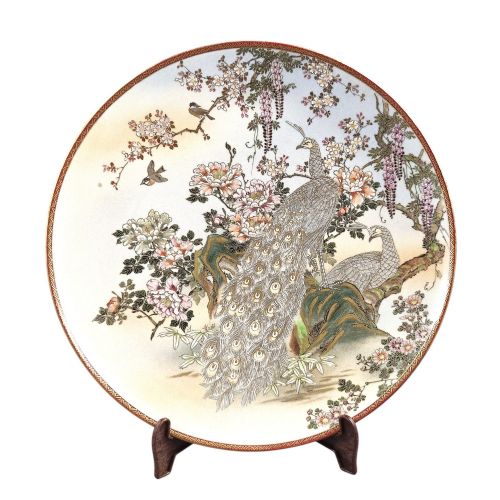
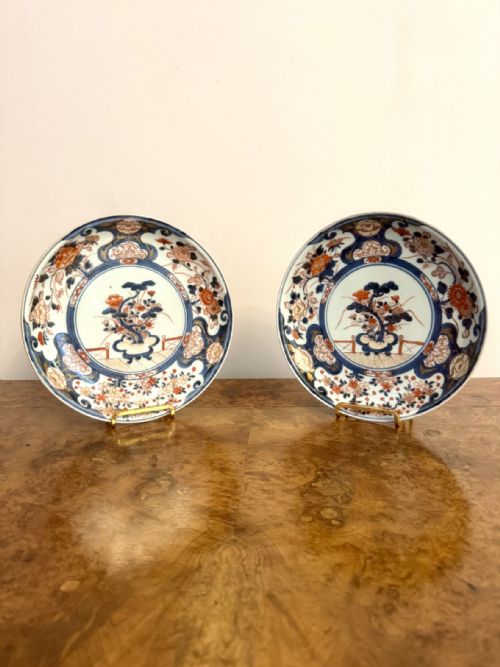
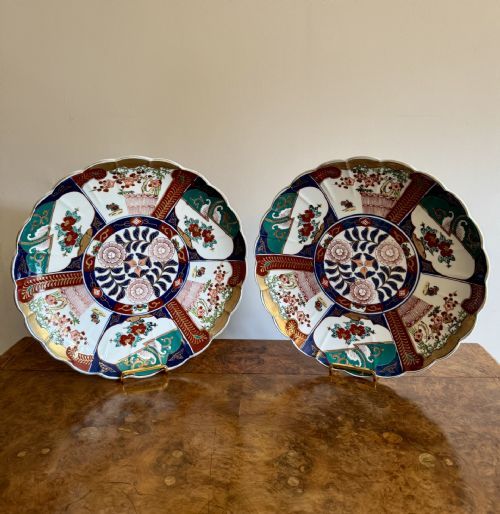
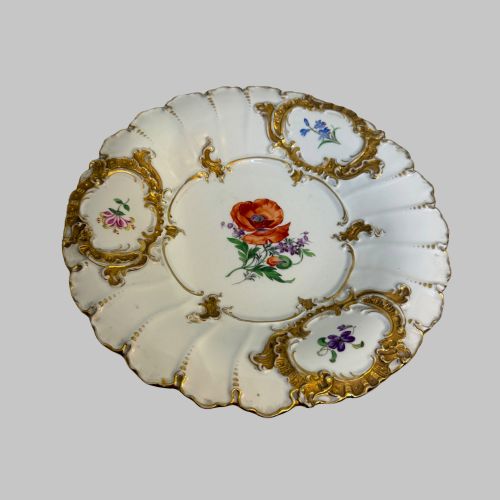
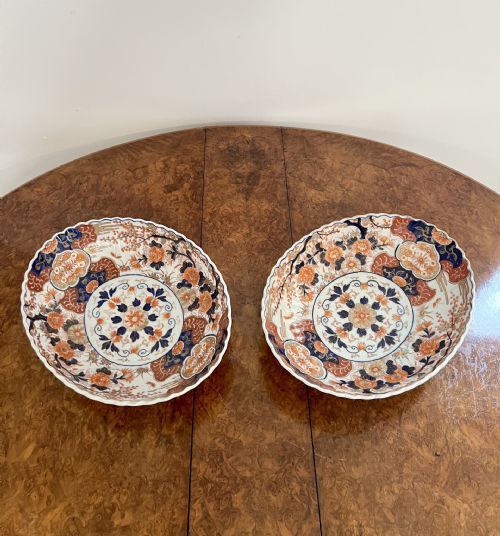
When you search for a gilded ceramic charger, you are looking at large decorative plates and shallow dishes intended primarily for display rather than dining. The pieces available here draw heavily from nineteenth-century Japanese Imari, Satsuma, and Kutani traditions, alongside European porcelain factories such as Meissen, Royal Worcester, and Paris workshops.
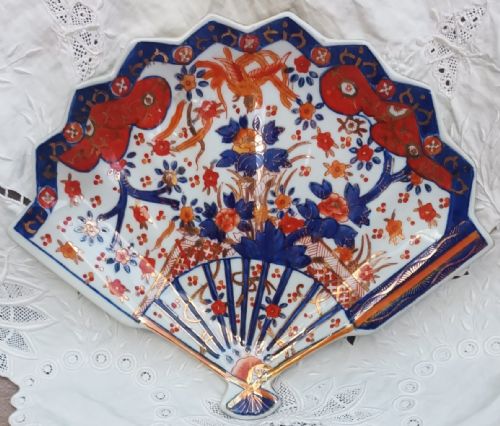
The forms span nineteenth-century Victorian output into the early twentieth century, taking the shape of round chargers, scalloped cabinet plates, fan-shaped platters, and octagonal dishes. Japanese examples frequently feature hand-painted floral, bird, and figural designs accented with gold, while European pieces often display detailed painted historical scenes, fruits, or floral sprays framed by gilt borders.
How they were made
Makers shaped these wares from porcelain or earthenware bodies, applying mineral glazes and hand-painted pigments before introducing metallic highlights. Gold leaf, gilding, and gold gilt were meticulously added to borders, motifs, and backgrounds, often requiring multiple kiln firings to bond the metallic elements securely to the glazed ceramic surface.
Techniques varied across regions, from the iron-red and gilt palettes of Chinese imperial kilns and the intricate moriage relief work of Japanese Satsuma wares to the delicate enamel brushwork seen on French and English cabinet plates.
The selection includes Japanese Imari, Satsuma, and Kutani pieces alongside European porcelain from French, German, and English factories.
What varies in quality
The standard of a gilded ceramic charger rests principally on the ambition and execution of the hand-painting, combined with the precision of the gilding. Superior examples demonstrate crisp, highly detailed brushwork on subjects like birds, figures, or fruit, where the gold leaf catches the light without appearing flat or dull.
Weight, balance, and the crispness of moulded details such as reticulated borders or scalloped edges also separate everyday wares from exceptional cabinet pieces produced by notable European factories or skilled Japanese Meiji period studios.
Royal Crown Derby·Royal Worcester·Meissen·Koshida·Pucher Deroche
The Gilded Ceramic Charger Glossary
- Charger
- A large decorative plate or dish intended for display on a sideboard or wall rather than for practical table service. These substantial vessels provide a wide canvas for elaborate painted scenes and gilded borders.
- Cabinet plate
- A high-quality ceramic plate produced specifically for display in a cabinet or on a stand. They often feature intricate hand-painted artwork by named artists.
- Gilding
- The application of gold leaf, gilt, or gold paint to the surface of ceramics. This metallic enhancement defines rims, highlights motifs, and adds reflective warmth to the design.
- Imari
- A traditional Japanese style of porcelain characterised by a distinctive palette of underglaze blue, iron-red, and abundant gold accents. These wares were widely exported to Europe and heavily emulated.
- Moriage
- A Japanese ceramic technique where slip is piped onto the surface in raised dots or lines to create a tactile, three-dimensional relief effect before glazing and gilding.
Gilded Ceramic Charger: Frequently Asked Questions
How do I hang a large charger?
Heavy chargers require specialised wall fixings, typically utilising coated wire spring hangers that grip the rim securely without damaging the ceramic body.
Ensure the wall plug and screw are rated for the substantial weight of porcelain or earthenware plates before mounting.
Can I use these plates for food?
Most of these pieces are antique cabinet plates or decorative chargers intended strictly for visual display. The historic paints and delicate gold leaf can be sensitive to heavy use and acidic foods.
Wash them sparingly by hand if necessary, keeping them away from dishwashers and microwaves entirely.
How do I identify Meiji period Satsuma?
Satsuma wares from the Meiji period typically feature an earthenware body covered with a finely crackled ivory glaze. They are heavily decorated with hand-painted polychrome enamels and raised gold details.
Signatures on the base often indicate the studio, artist, or specific maker responsible for the piece.
What does Imari mean on porcelain?
Imari refers to Japanese porcelain exported from the port of Imari during the Edo and Meiji periods. The aesthetic relies on a strong combination of cobalt blue, iron-red, and rich gilding.
These pieces were collected widely across Europe and heavily influenced Western ceramic design.