

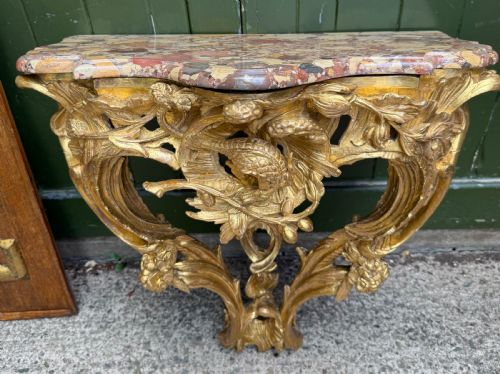
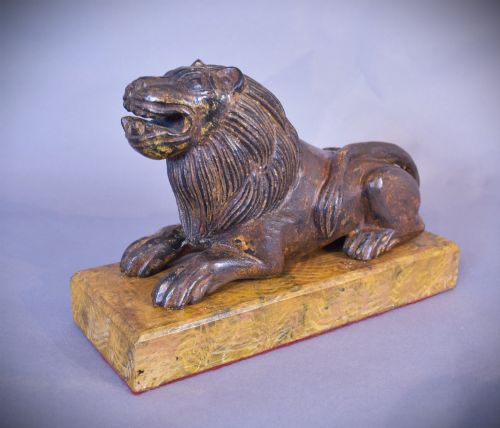
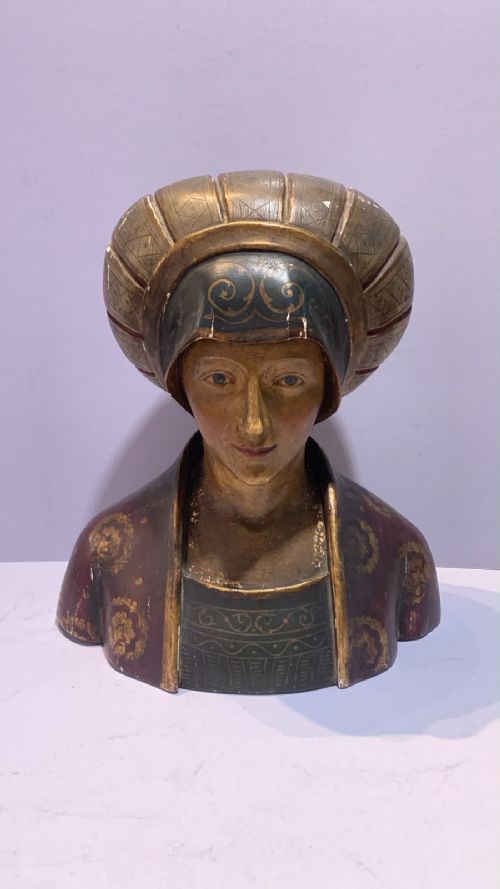
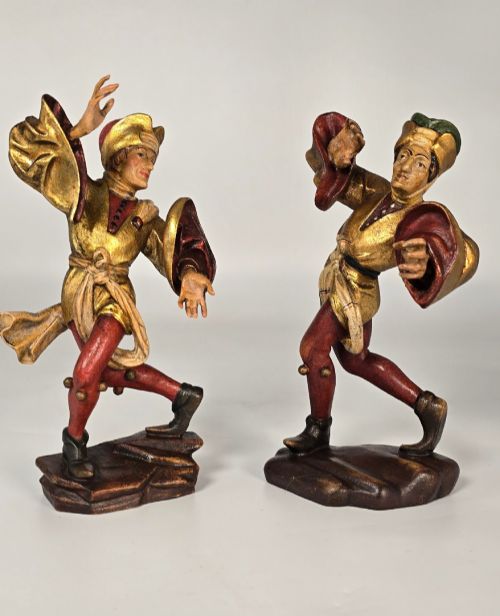



Gilded Carved Wood Figure
These gilded carved wood figure examples bring centuries of devotional and decorative craftsmanship into a room, spanning European workshops and Asian temples.
Gilded Carved Wood Figure
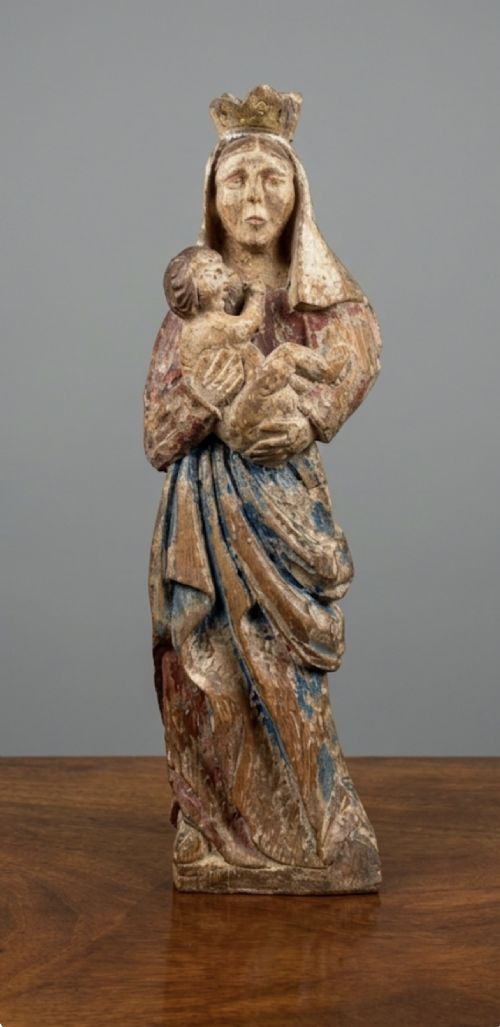
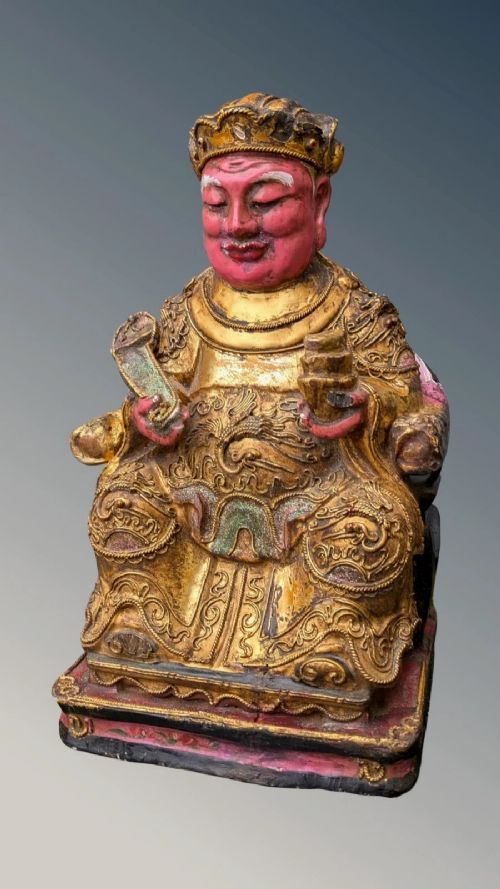
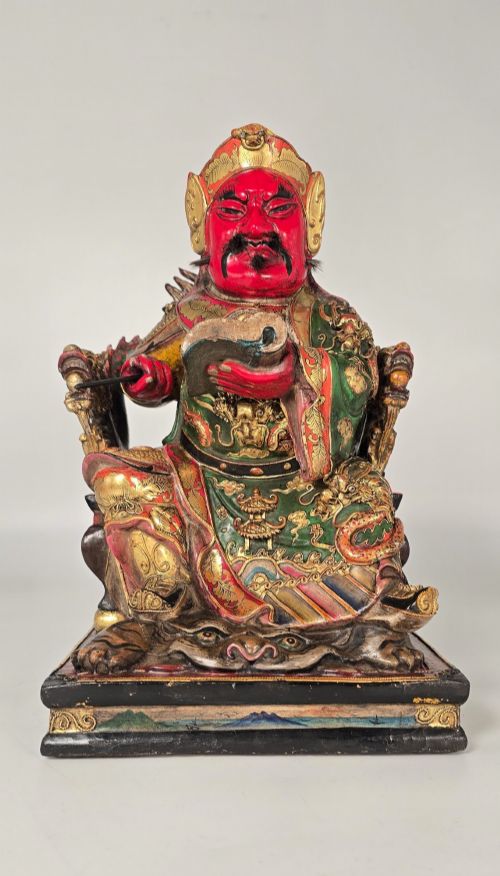
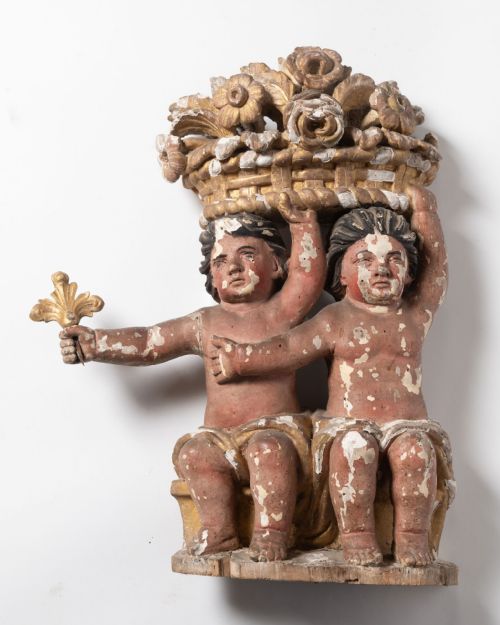
A gilded carved wood figure represents sculptural traditions from the sixteenth century onwards, encompassing European saints, putti, and lions alongside Asian deities, buddhas, and temple guardians.
Buyers will encounter devotional church carvings from Italy, Germany, and the Low Countries alongside secular Grand Tour busts and oriental temple sculptures.
Forms range from small tabletop figures and altar angels to monumental standing guardians and architectural fragments.
How They Were Made
Artisans carved timbers such as lime, oak, and other regional hardwoods before applying layers of gesso to create a smooth ground for decoration.
Surfaces were then finished with delicate gold leaf or giltwood alongside polychrome paint and lacquer pigments.
Several listings prove that angels, lions, scholars, and gondoliers all share a steadfast commitment to wearing gold.
What Varies in Quality
The survival rate of original surface treatments, including genuine period gilding and polychrome pigment, defines the integrity of the piece.
The Gilded Carved Wood Figure Glossary
- Giltwood
- Wood that has been prepared with gesso and covered with thin sheets of gold leaf. This surface treatment protects the timber beneath while catching interior light.
- Polychrome
- Painted in several colours. This decorative technique brings lifelike detail to the carved garments and flesh tones of religious and secular subjects.
- Gesso
- A plaster mixture applied to wood surfaces as a base for gilding and paint. It provides a smooth ground that holds intricate details.
- Putti
- Depictions of chubby male infants, frequently winged, seen in European art. They populate Italian altarpieces and decorative carvings.
- Corpus Christi
- A sculpture of the body of Jesus Christ on the cross. These religious carvings date across several European centuries.
Gilded Carved Wood Figure: Frequently Asked Questions
How do I clean a gilded carved wood figure?
Dust gently with a soft, dry brush to protect the delicate gold leaf and underlying gesso layers from damage.
Avoid using liquids, chemical sprays, or abrasive cloths that can strip historical pigments and metallic leaf.
Where should I place these figures at home?
Position them away from direct sunlight and sudden temperature changes to preserve the wood and surface decoration.
Stable indoor environments prevent the timber from warping and protect fragile layers of paint and gilt.
How do I identify the age of a carved figure?
Examine the tool marks, the composition of the gesso base, and the natural ageing of the wood beneath.
Stylistic cues in the drapery, posture, and paint pigments also point toward specific periods like the Baroque or Qing dynasty.
Were these always religious objects?
While many European saints and Asian temple figures served devotional purposes, others were strictly decorative.
Pieces such as console tables, furniture supports, and Grand Tour busts fulfilled secular aesthetic roles in period interiors.