

Gilded Carved Wood Crest
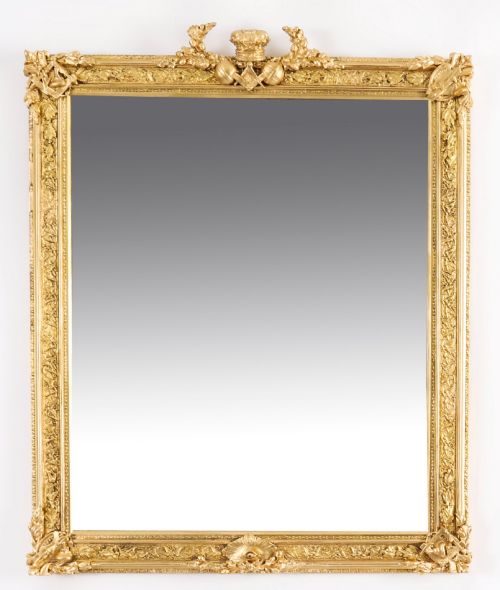
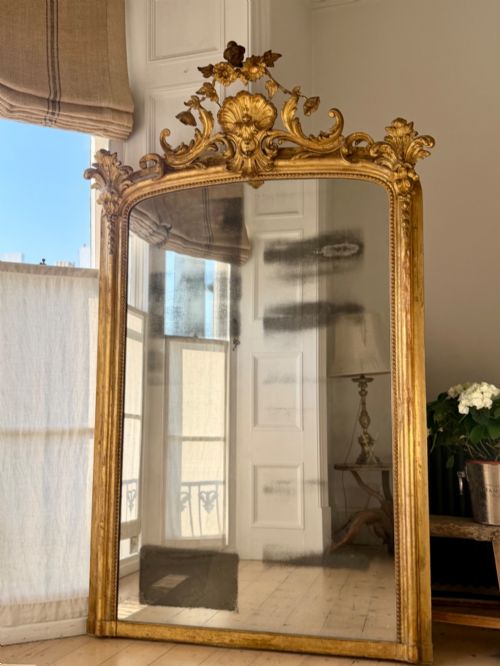
These gilded carved wood crest pieces bring architectural focus and golden warmth to a room, appearing mostly atop grand wall and overmantel mirrors.
Gilded Carved Wood Crest
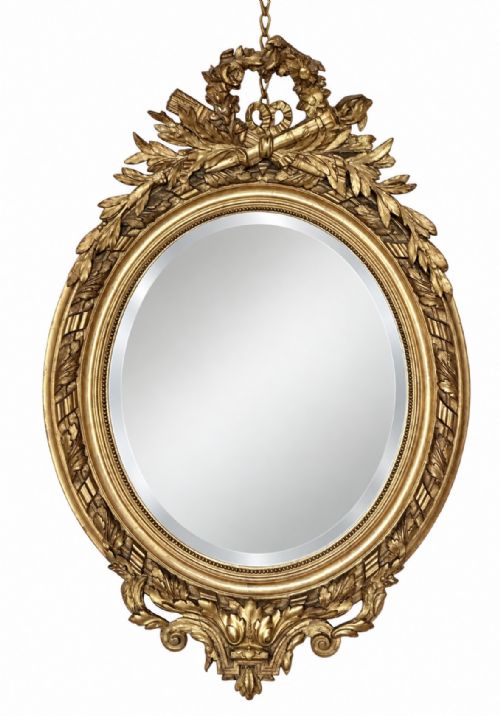
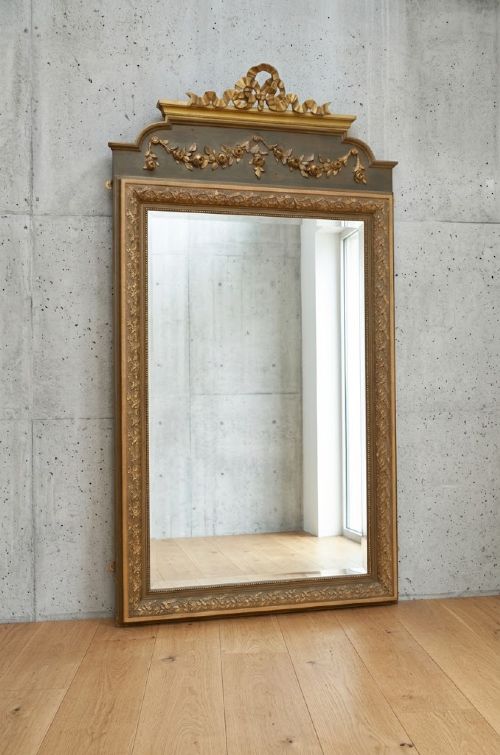
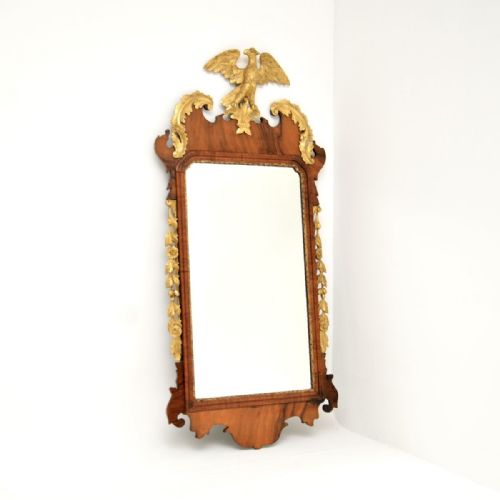
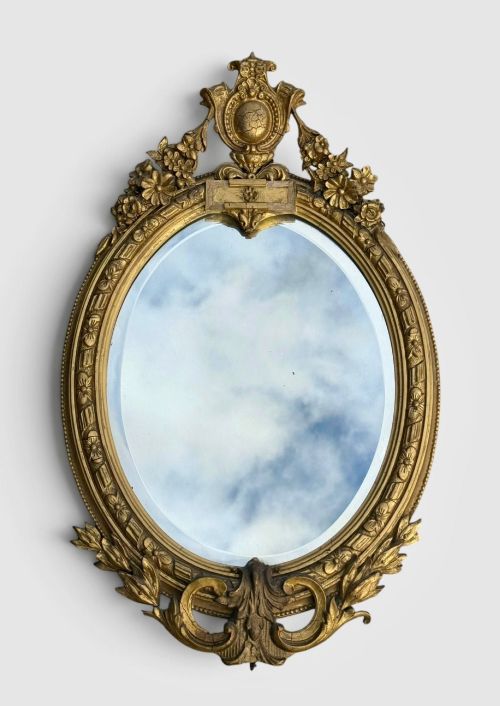
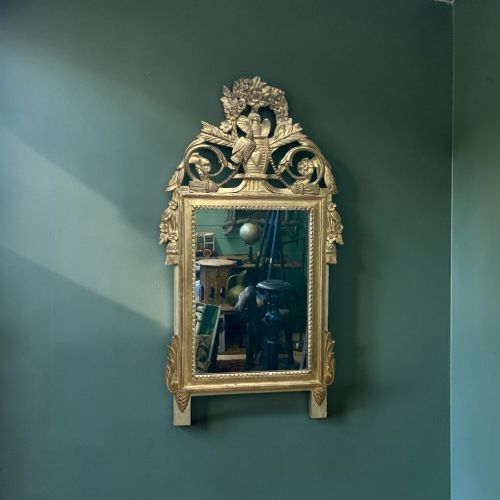
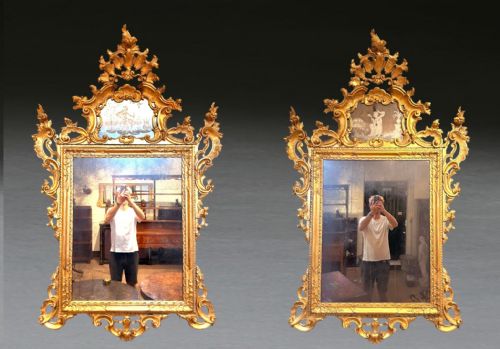
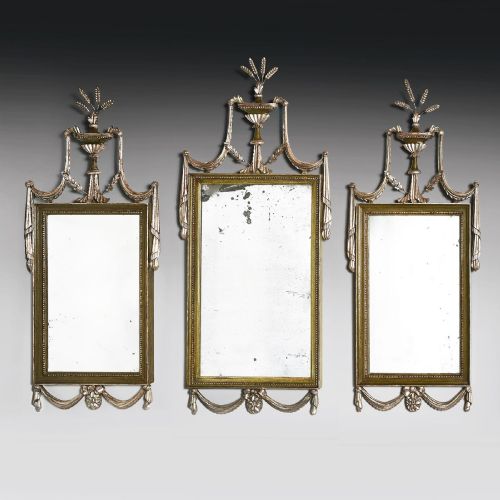
A gilded carved wood crest forms the crowning decorative element of a mirror frame or wall plaque, drawing the eye upward with sculpted motifs. When searching for a gilded carved wood crest, buyers encounter pieces originating primarily from the eighteenth and nineteenth centuries, spanning Georgian, Regency, Victorian, and various French provincial styles.
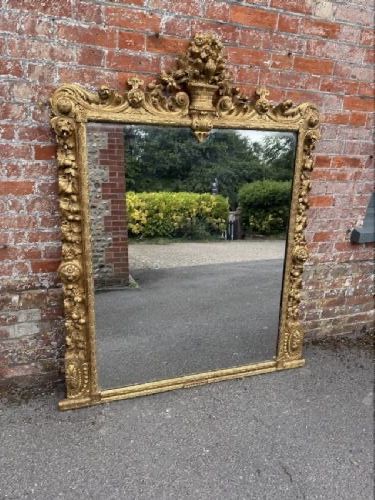
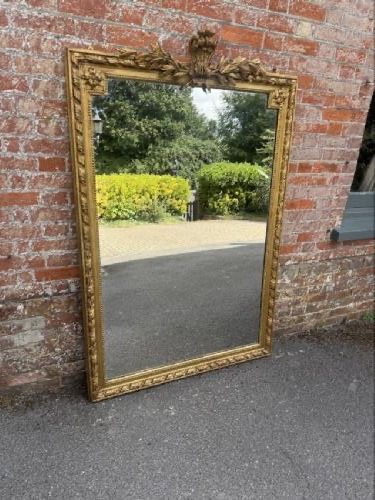
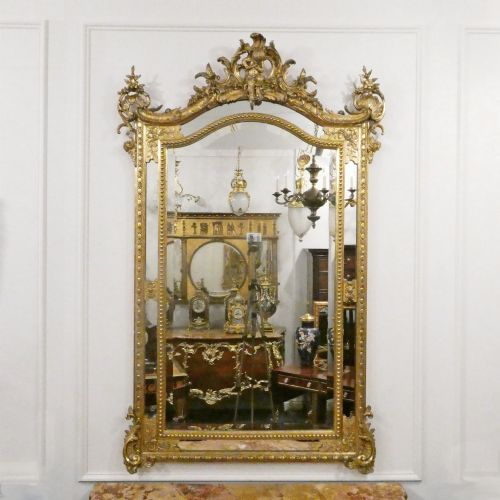
The most common formats on this page integrate the crest directly into large overmantel mirrors, pier mirrors, and convex wall mirrors. Surviving examples often display distinct regional traits, from English mahogany parcel gilt designs to ornate French Rococo and Louis XVI framing.
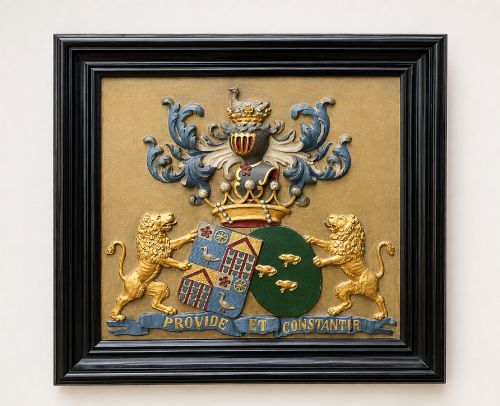
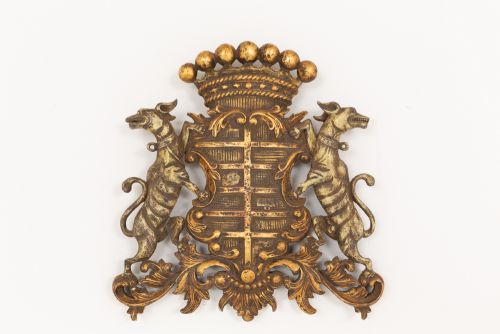
Beyond standard mirrors, the selection includes specialised items such as heraldic marriage plaques, armorial shields, and Masonic mirrors. These decorative focal points utilise traditional wood carving methods combined with period gilding techniques to achieve their striking silhouettes.
Materials and construction methods
Carvers shaped the foundational structure from timber such as pine, hardwood, or mahogany, executing intricate scrolling foliage, eagles, and urns by hand. Artisans then applied a layer of gesso, a fine plaster mixture, over the carved wood to create a smooth surface for crisp detail definition.
Gold leaf or liquid gilt was meticulously laid over the prepared gesso base, often burnished to catch the light from different angles. Painted wood and silvered finishes also appear, reflecting the diverse decorative preferences of the eighteenth, nineteenth, and early twentieth centuries.
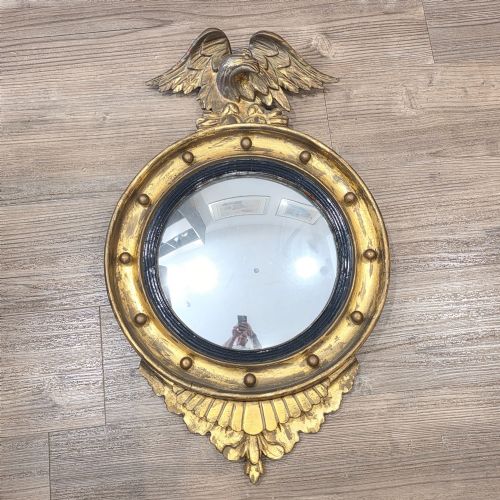
A watchful spread eagle keeps permanent guard atop one nineteenth-century convex mirror.
Distinguishing quality in carving and gilding
Quality rests in the depth and precision of the hand carving, where superior examples exhibit sharp undercut foliage rather than shallow, soft moulding. The integrity of the underlying gesso layer determines how well the surface retains its crisp sculptural details over centuries of expansion and contraction.
The application and preservation of the gold leaf dictate the visual depth of the piece, with skilled historic gilding displaying rich tonal variations. Finer items maintain harmonious proportions between the main frame and the crowning crest, reflecting the deliberate hand of a trained workshop.
Gillows Of Lancaster·John Belchier
The Gilded Carved Wood Crest Glossary
- Giltwood
- Wood that has been coated with gold leaf or powder. This finish gives the carved surface its characteristic golden luminosity.
- Gesso
- A plaster mixture applied to wood frames as a base for gilding. It allows craftsmen to model sharp relief details before applying gold leaf.
- Overmantel mirror
- A large mirror designed to hang specifically above a fireplace mantelpiece. These pieces frequently feature prominent carved crests to fill vertical wall space.
- Convex mirror
- A round mirror with a curved glass surface that provides a wide, distorted reflection of the room. They are often surmounted by carved birds or eagles.
- Parcel gilt
- A decorative technique where only specific portions of a wooden object are gilded, leaving the underlying wood grain visible elsewhere.
Gilded Carved Wood Crest: Frequently Asked Questions
What is a gilded carved wood crest?
A gilded carved wood crest is the decorative ornamentation mounted at the very top of a mirror frame or wooden plaque.
These carved elements were designed to elevate the visual height and status of the furnishing beneath them.
How do I date a carved wood crest?
Dating relies on examining the underlying timber, the formulation of the gesso, and the prevailing style of the carving. Eighteenth-century pieces often show asymmetrical Rococo motifs, while nineteenth-century items frequently adopt stricter neoclassical or Victorian revival lines.
Inspecting the joinery and the backboards provides further clues regarding the manufacturing period.
Were these crests made separately from the frames?
Many larger crests were carved as distinct components and pinned or doweled into the top of the mirror frame during assembly.
This construction method allowed artisans to work on intricate foliage and heraldic symbols independently before final attachment.
How should I hang a heavy carved mirror?
Heavy framed mirrors require secure fixing directly into wall studs or masonry using appropriate weight-rated brackets. Because the carved crest adds significant top-heavy weight, professional installation ensures the piece remains stable.
Checking the structural attachment of the crest itself before hanging prevents accidental separation under tension.