

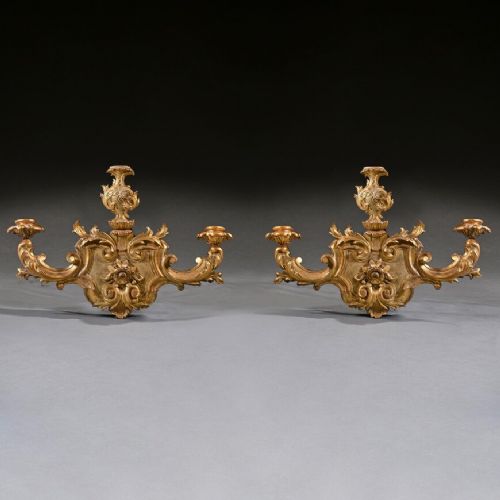
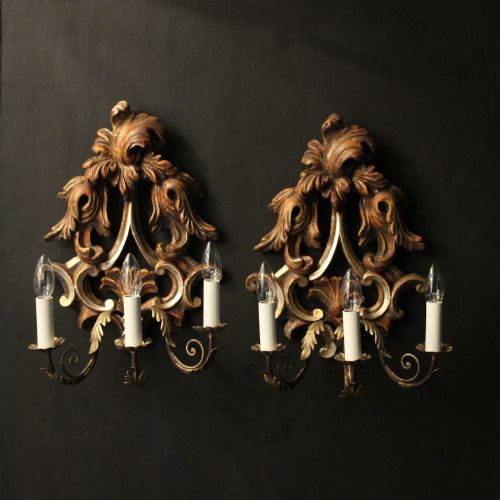


Gilded Carved Wall Appliques
Gilded carved wall appliques bring interior candlelight onto vertical surfaces with ornate French and Italian styling.
Gilded Carved Wall Appliques
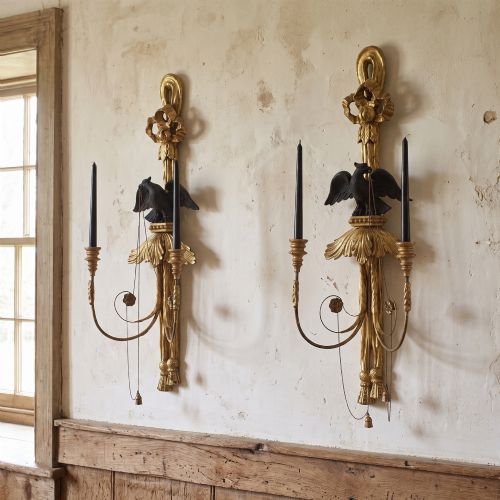
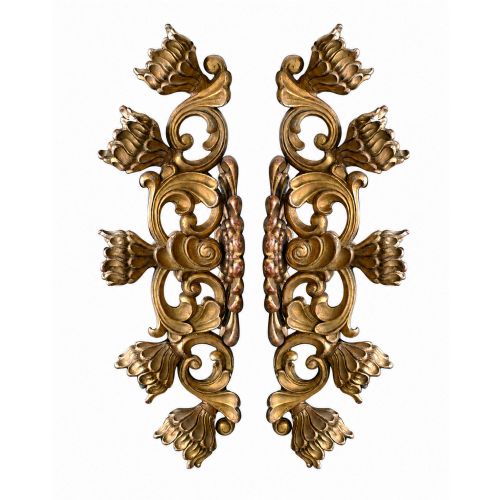
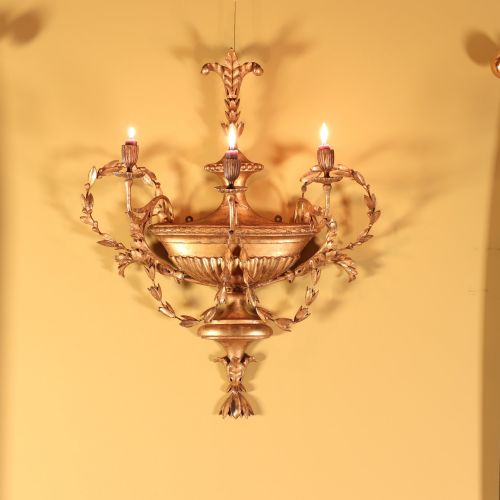
Gilded carved wall appliques deliver ornamental illumination through wall lights, wall sconces, and architectural fragments mounted in pairs or sets. When searching this phrase, a buyer encounters items designed to project candlelight or electric light outward from panelled or papered rooms. These decorative fixtures derive primarily from French and Italian workshops across the eighteenth, nineteenth, and early twentieth centuries.
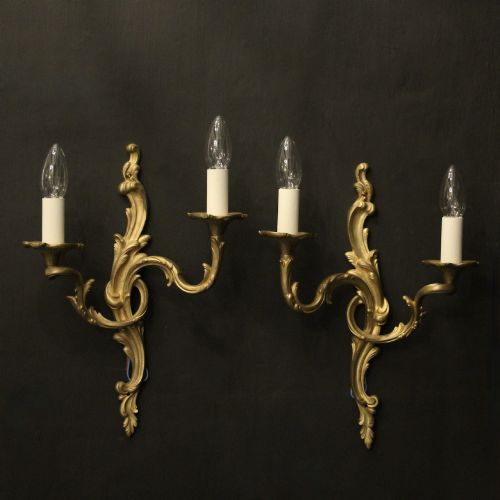
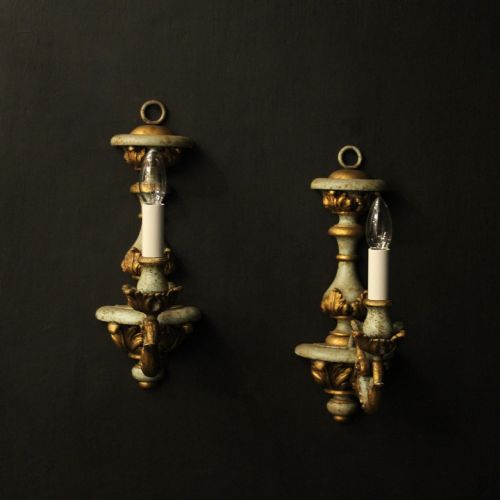
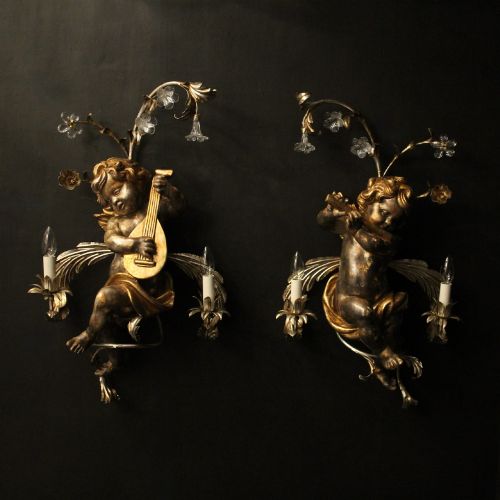
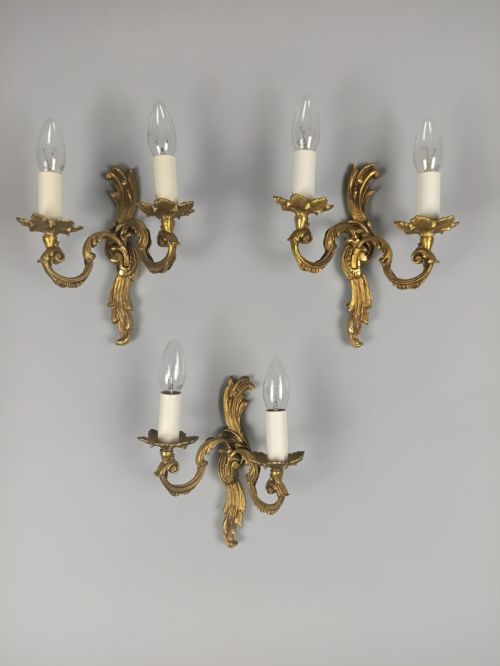
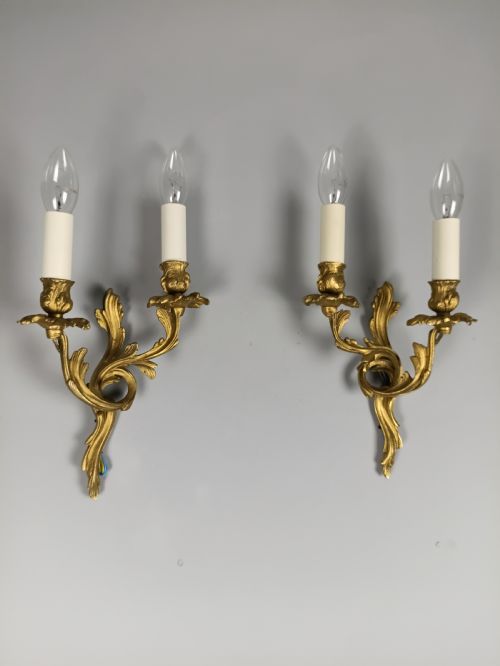
The most common items met on this page are matched pairs of Florentine or French wall lights featuring twin or triple arms. Pieces span periods from the eighteenth century through the nineteen-thirties, incorporating styles such as French Rococo, Italian Baroque, and George III. Forms range from simple carved wooden brackets to elaborate arrangements with cherubs, ribbons, and Murano elements.
Materials and Construction
Artisans built these appliques using carved wood, gesso, and cast metal structures finished with gold leaf, silver gilt, or polychrome paint. Giltwood and carved wood provide the primary structural body, shaped by hand into scrolls, foliage, and figural motifs. Applied gesso creates smooth surfaces and sharp relief details before the application of delicate gold leaf.
Metal components such as gilt bronze and brass form sturdy armatures and backplates for multi-branch configurations. Many items combine wooden carvings with metal sconce arms to support heavier branch fittings while retaining carved ornamentation. Polychrome finishes introduce painted colour alongside metallic leaf to accentuate carved details.
Several Italian appliques incorporate hand-carved wooden cherubs holding out candle branches as if perpetually offering light.
Judging Quality
Quality rests upon the depth and crispness of the hand-carving within the wood or gesso, which dictates how cleanly light plays across the ornament. Superior examples display sharply defined acanthus leaves, scrollwork, and figures rather than softened or moulded substitute details. The integrity of the original gilding, whether gold leaf or silver gilt, separates masterwork surfaces from later re-finishes.
The architectural scale and structural balance of the arms determine the visual harmony of the piece on the wall. Heavier bronze castings and substantial timber bodies indicate robust construction designed to hold multiple candle or lamp branches securely. Original synchronisation between the mounting backplate and the projecting arms preserves the historical integrity of the assembly.
The Gilded Carved Wall Appliques Glossary
- Giltwood
- Timber that has been coated with a thin layer of gold leaf over a prepared gesso ground. This technique creates a luminous surface that catches low room light.
- Gesso
- A plaster mixture applied to carved wood to provide a smooth, absorbent base for gilding. It allows craftsmen to model fine details before applying gold leaf.
- Sconce
- A wall-mounted lighting fixture designed to carry one or more candles or electric bulbs. These fixtures project illumination directly forward into the space.
- Architectural Fragment
- A salvaged portion of an older building interior adapted for decorative use. Such pieces often form the central backplate for custom wall lights.
- Polychrome
- Decoration employing several colours painted onto wood or gesso surfaces. This finish frequently accompanies silver or gold gilding on Italian items.
Gilded Carved Wall Appliques: Frequently Asked Questions
Where should I hang these lights?
Gilded carved wall appliques suit placement flanking a fireplace, mirror, or large painting to provide balanced accent illumination. They function effectively in principal reception rooms, hallways, and dining spaces where vertical wall ornaments enhance the architectural proportions.
Position the fixtures at eye level to ensure the decorative backplates and branching arms are seen clearly. Adequate clearance allows the reflective gilt surfaces to distribute warm light across adjacent wall coverings.
Are these wired for electricity?
Many surviving wall lights retain historical metal arms that have been adapted for modern electrical wiring over time. Certain listings note professional rewiring to ensure safe operation with contemporary domestic power supplies.
Buyers should examine specific listings to determine whether fixtures require professional installation by an electrician. Some antique examples may still accommodate standard candle use depending on their configuration.
How do I clean giltwood surfaces?
Dust giltwood and gesso surfaces gently using a soft, dry brush to prevent accumulation in the carved recesses. Avoid applying liquid cleaners, abrasive cloths, or chemical solvents that can damage delicate gold leaf.
Preserving the original gilding requires minimal intervention and careful handling during routine household maintenance. Professional conservators should address any structural repairs or flaking surface layers.
How do I date an antique applique?
Dating relies upon stylistic markers such as Rococo asymmetry, Neoclassical symmetry, or Baroque weight combined with evidence of tool marks on the timber. Eighteenth-century pieces typically show hand-cut joinery and aged gesso grounds beneath worn gold leaf.
Twentieth-century reproductions or later interpretations often display more uniform machine working or standardised armatures. Comparing the mounting hardware and wood species helps establish the period of manufacture.