


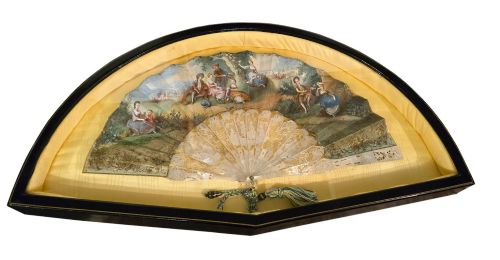
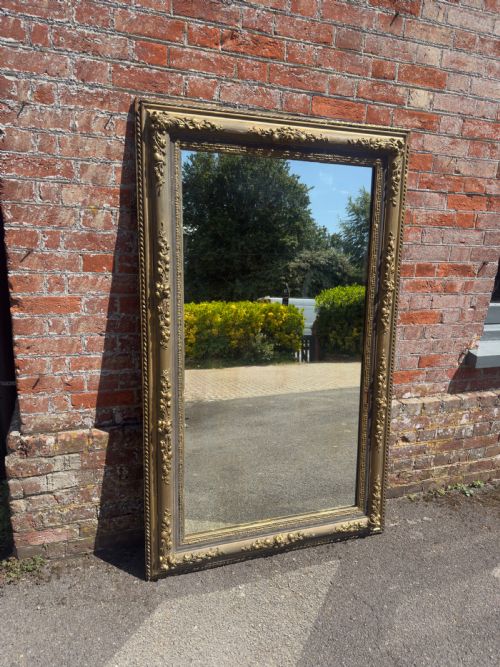

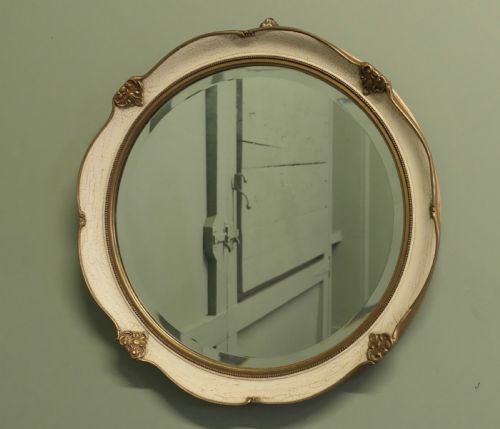
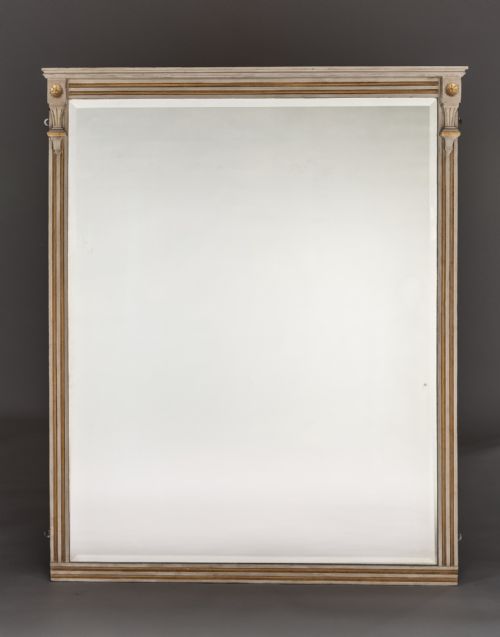

Gilded Carved Frame Painting
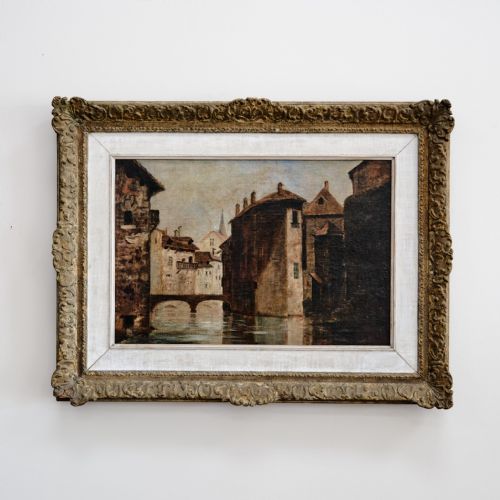
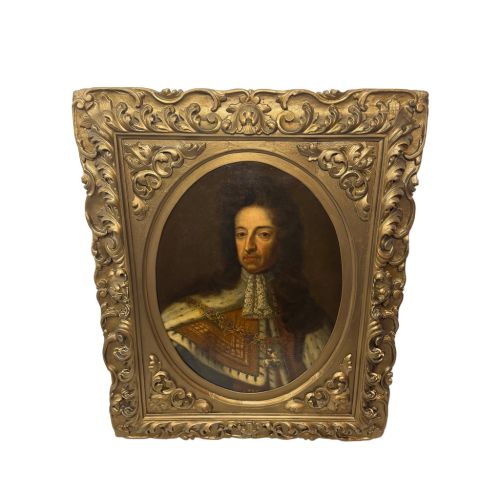
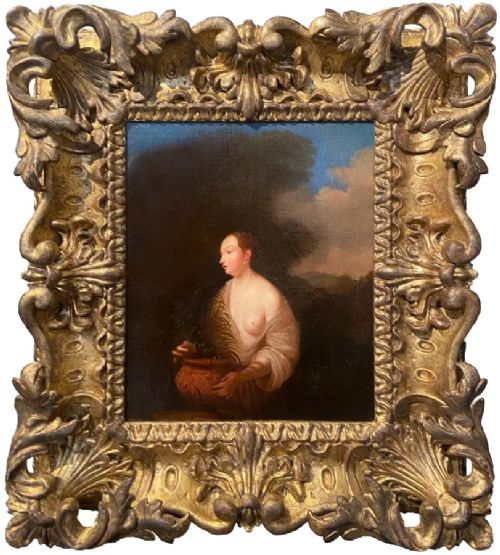
When you seek a gilded carved frame painting, you explore historic oil works united with ornate wooden surrounds.
Gilded Carved Frame Painting
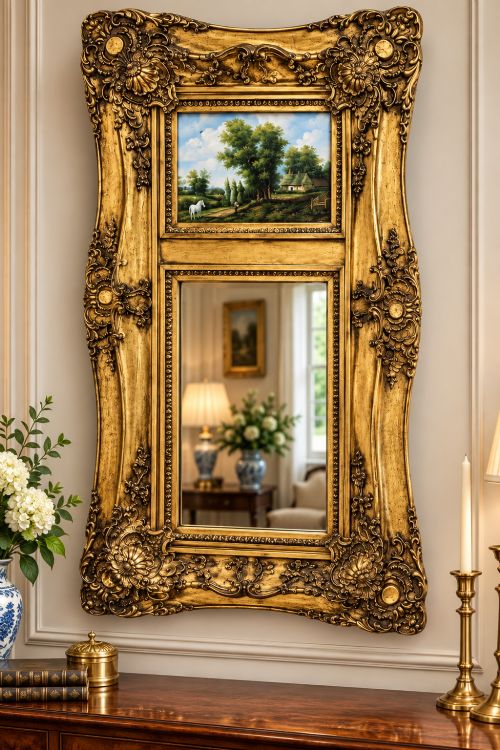
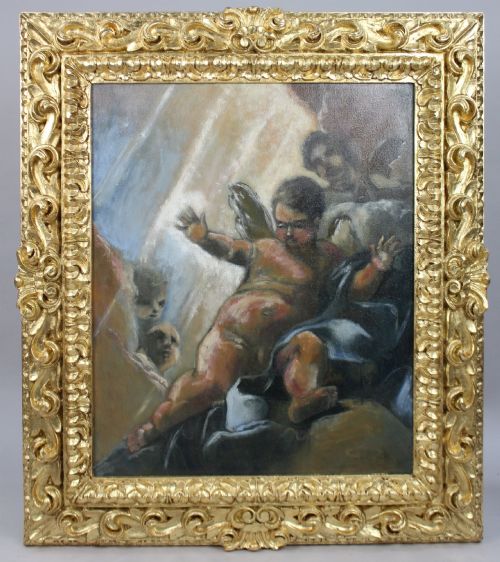
A gilded carved frame painting brings together oil on canvas artwork and heavily decorated wooden borders finished in gold leaf or giltwood. These objects span from the seventeenth century through to the twentieth century, encompassing British, French, Italian and Dutch origins.
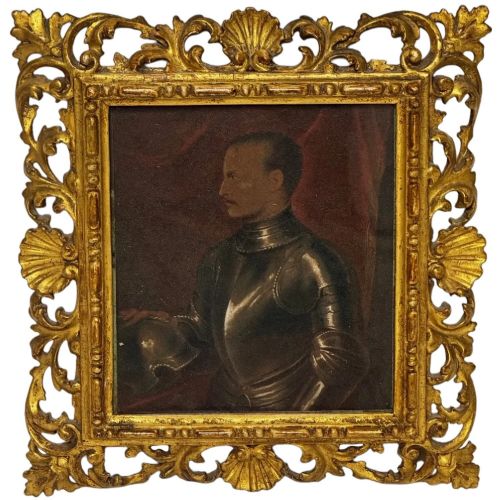
The phrase gilded carved frame painting covers both portraits of notable figures and landscape scenes set into elaborate surrounds. You are most likely to meet nineteenth-century works and Victorian interpretations alongside earlier eighteenth-century portraits on this page.
Materials and Construction
Carved wood forms the structural base of these pieces, shaped into elaborate motifs before receiving applications of gesso. Artisans then applied gold leaf or giltwood surfaces to create the metallic lustre seen across the frames.
Canvases stretched within these surrounds hold oil paint layers applied by artists following seventeenth to twentieth-century traditions. Glass and paint finish specific mirror variants and panels listed alongside the standard canvas works.
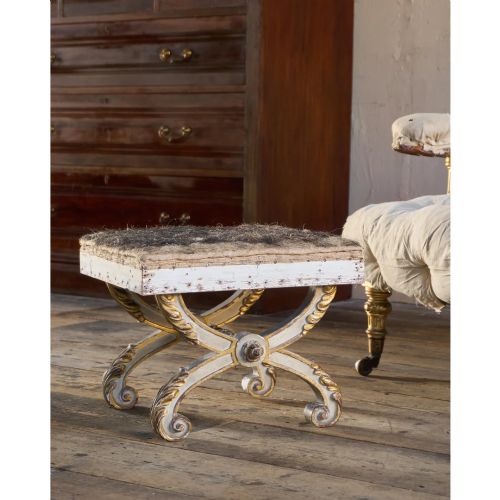
Listings feature oil on canvas paintings, wall mirrors, and footstools spanning the seventeenth to twentieth centuries.
Assessing Quality
Depth and precision in the wooden carving distinguish superior examples from simpler mouldings. Hand-chiseled depth in the gesso and clean application of gold leaf create the definition expected in finer workshops.
The harmony between the canvas artwork and its specific surround indicates the thoughtfulness of the pairing. Original integration of the painting within its carved border holds greater regard than later assemblages.
Miles & Edwards·John Theodore Heins·Sir Godfrey Kneller
The Gilded Carved Frame Painting Glossary
- Giltwood
- Wood that has been treated with gold leaf or gold paint to give a metallic finish. This surface treatment defines the bright appearance of many antique surrounds.
- Gesso
- A plaster mixture applied to carved wooden frames to create a smooth surface for gilding. It allows artisans to mould fine relief details before applying gold leaf.
- Trumeau
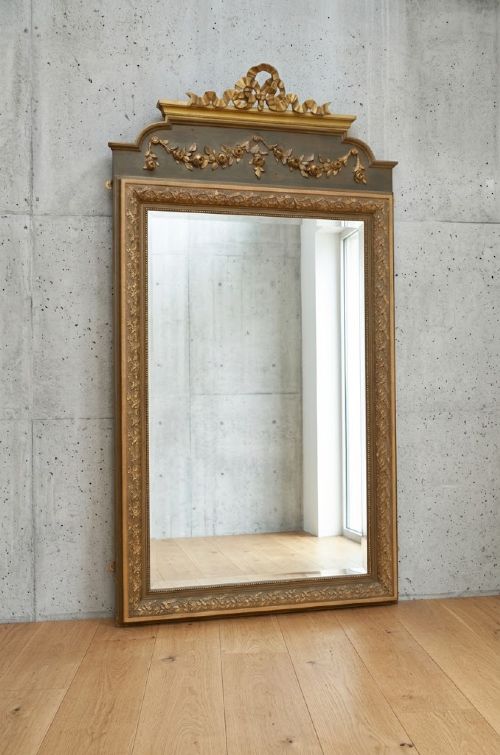
- An architectural wall mirror or panel containing an oil painting or decorative glass section. These French decorative items often feature painted and gilded woodwork.
- Oil on Canvas
- Pigment mixed with drying oil applied to a woven fabric support. This traditional medium forms the core of historic portrait and landscape artworks.
- Baroque
- An artistic style characterised by exaggerated motion and clear detail producing drama. Pieces from this period display heavy, dynamic carving.
Gilded Carved Frame Painting: Frequently Asked Questions
What periods do these pieces span?
The selection includes works originating from the seventeenth century, the eighteenth century, and the nineteenth century. Later twentieth-century interpretations also appear.
Craftsmanship traditions evolve across these eras, moving from baroque and rococo influences towards later revival styles.
How were these frames decorated?
Wood carvers shaped floral and scroll motifs directly into the timber before coating the surface with gesso. Artisans then applied gold leaf or giltwood to achieve the characteristic metallic sheen.
Paint layers were sometimes added alongside the gilding to highlight specific carved details.
Where should I hang these items?
These works suit placement above mantelpieces or as focal points on principal interior walls. Their reflective gold surfaces brighten darker rooms by catching natural light.
Ensure protection from direct sunlight and excessive moisture to preserve the delicate gesso and canvas.
How do I identify different styles?
Rococo Revival and baroque pieces feature asymmetrical scrolls, shell motifs, and deep three-dimensional carving. Neoclassical and Louis XVI examples display straighter architectural lines and restrained ornamentation.
Examining the underlying wood and the thickness of the gesso helps determine the period of manufacture.