




Gilded Cabinet on Stand
A gilded cabinet on stand combines high-status surface ornament with a raised furniture form, giving any room a strong focal point.
Gilded Cabinet on Stand
When you search for a gilded cabinet on stand, you encounter elevated storage vessels designed to display precious objects or papers while adding grand architectural presence to a room.
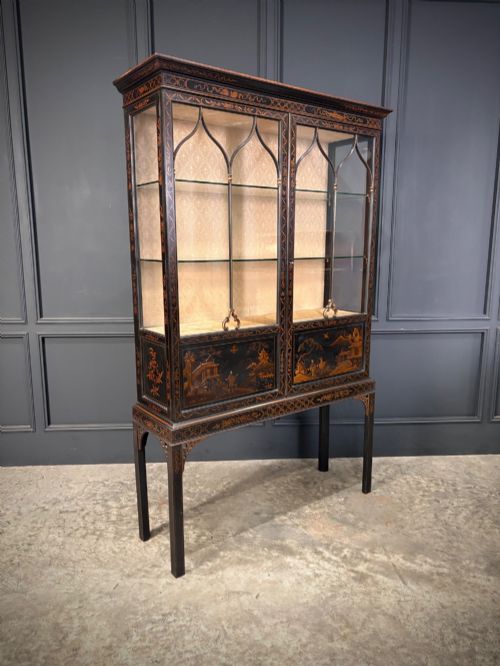
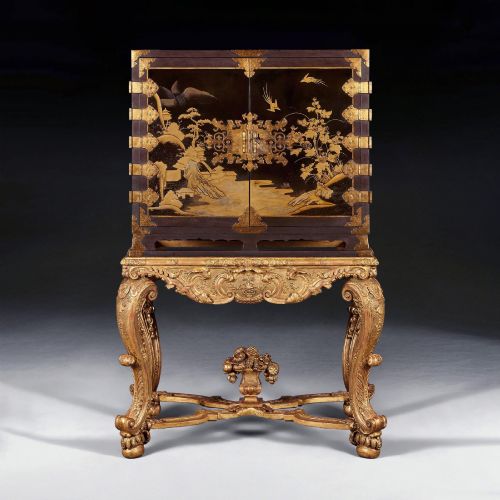
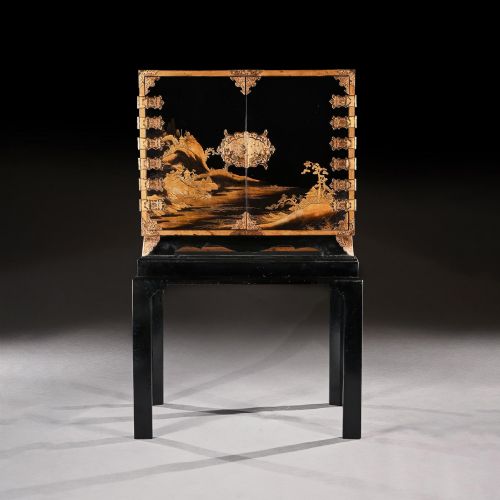
The versions most commonly met on this page span the seventeenth through the nineteenth centuries, pairing Asian export lacquer or European wood bodies with ornate French, Venetian, or English giltwood stands.
Forms range from Japanese shōdana and papilleros to Chinese desks and European display cabinets, each resting upon carved, gilded bases or supporting tables.
How they were made
Craftsmen built the upper cabinets from sturdy timbers such as mahogany or mulberry, applying layers of dark lacquer or detailed painted panels to the exterior surfaces.
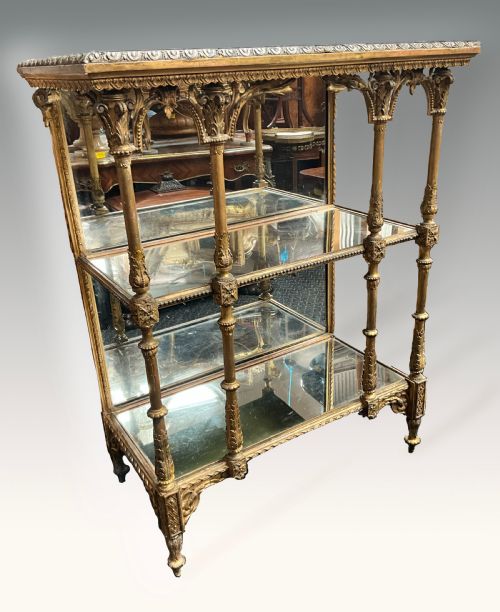
Stands and frames utilised giltwood, gold leaf, and gesso, carved into elaborate Rococo or Regency motifs that supported the heavier storage sections above.
Glazed sides, brass hardware, and glass panels were integrated to protect the contents while allowing light to reflect off the gilded and polished surfaces.
Listings feature periods ranging from the seventeenth century through the nineteen-twenties, incorporating materials such as giltwood, porcelain, and lacquer.
What varies in quality
The distinction between ordinary and exceptional pieces rests upon the crispness of the giltwood carving and the depth of the original lacquer work.
Proportion plays a vital role, as the finest examples maintain a visual balance between the heavy upper cabinet and the supporting stand beneath.
Integrity of materials, such as genuine gold leaf application over traditional gesso grounds rather than modern synthetic paint, defines the upper tier of these objects.
The Gilded Cabinet on Stand Glossary
- Giltwood
- Wood that has been coated with a thin layer of gold leaf or powder over a prepared gesso ground. This technique creates the brilliant, reflective surfaces seen on many period stands and frames.
- Lacquer
- A durable resin finish applied in multiple layers and polished to a high gloss, frequently decorated with gold Chinoiserie motifs. It protects the wood underneath while providing an exotic, deep dark background.
- Vargueno
- A traditional Spanish cabinet form featuring a drop-front desk section enclosing numerous small drawers. When placed on a matching stand, it serves both writing and storage functions.
- Shodana
- A traditional Japanese display shelf unit with staggered shelves and small cupboards. These pieces often feature intricate lacquer work and reflect the Meiji period aesthetic.
- Gesso
- A plaster-like mixture applied to wood surfaces as a smooth base for gilding. Its thickness allows artisans to carve fine details directly into the preparation layer before applying gold leaf.
Gilded Cabinet on Stand: Frequently Asked Questions
What were these cabinets originally used for?
These cabinets stored valuables, medals, writing materials, or small curiosities that required secure placement.
Elevating them on stands kept the contents away from damp floors and brought the delicate surface details closer to eye level for viewing.
How do I place one in a modern room?
Position a gilded cabinet on stand against a solid wall where its reflective surfaces and carved details can command attention.
Use the interior shelves to display small ceramics, glassware, or books while keeping the surrounding decor simple to balance the ornate frame.
How do I tell seventeenth-century pieces from nineteenth-century revivals?
Examine the construction methods, timber shrinkage, and the wear patterns on the lacquer and gold leaf.
Earlier pieces show hand-cut joinery and authentic age-related patina, whereas revival items often display mechanical consistency in their decorative carving.
Are the upper cabinets and stands always original to each other?
Many surviving examples combine cabinets and stands made decades apart, which was a common practice in antique furniture assembly.
Matching finishes, historical wear patterns, and proportionate sizing help determine if the components belonged together from the start.