


Gilded Bronze Mounts
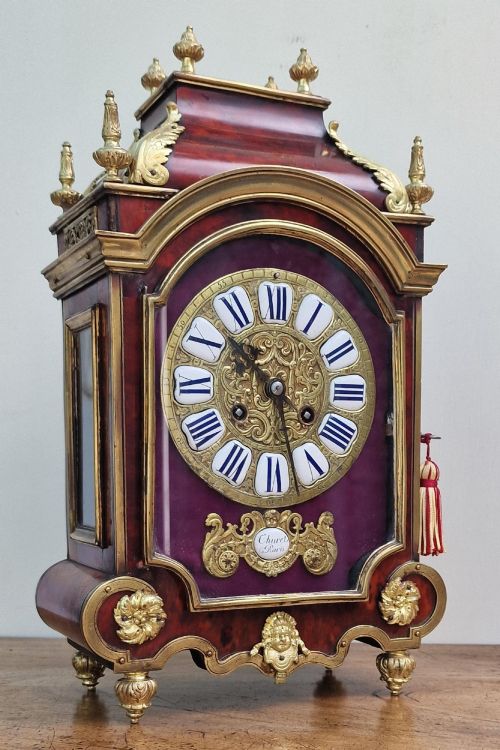
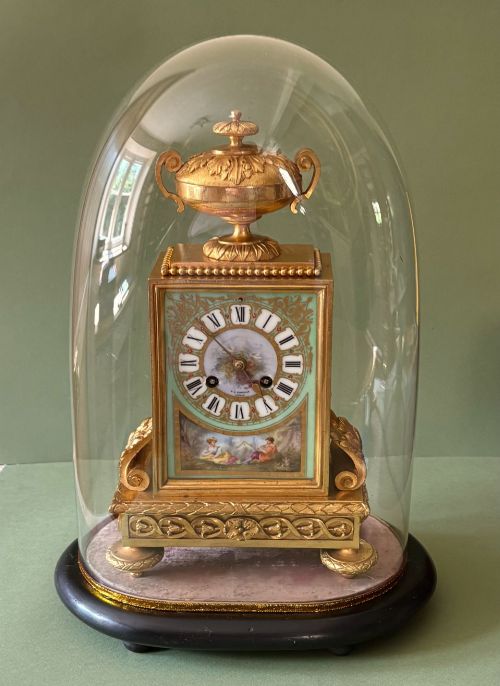
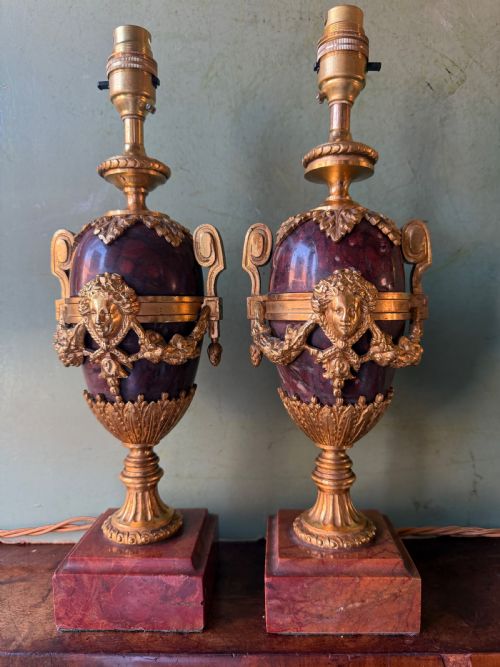
These gilded bronze mounts are cast metal decorative ornaments that elevate furniture, clocks and vessels, offering collectors a touch of French nineteenth-century grandeur.
Gilded Bronze Mounts
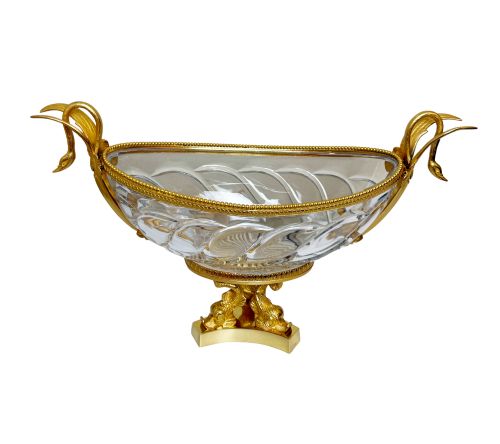
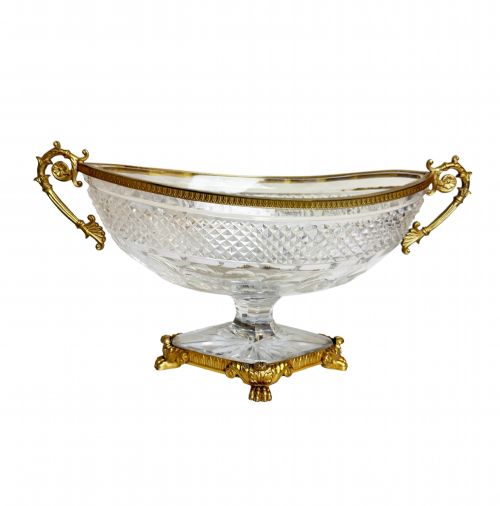
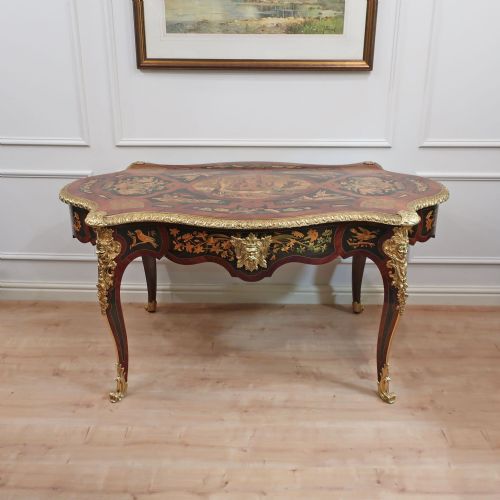
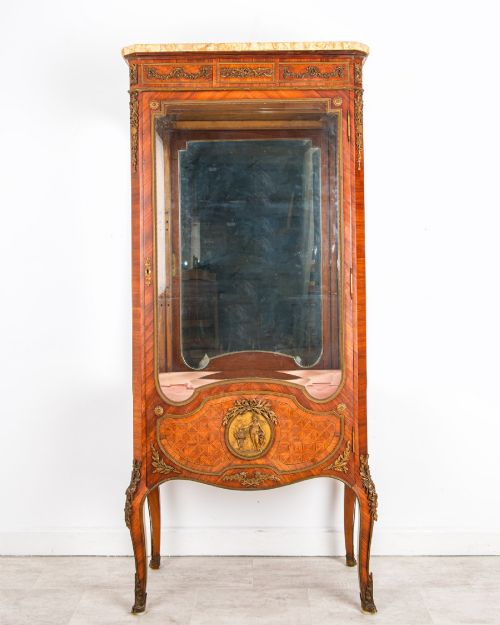
When you search for gilded bronze mounts, you find decorative metalwork designed to embellish furniture, timepieces and decorative objects. These elements appear frequently on nineteenth-century French pieces such as mantel clocks, bureau plat desks, vitrine cabinets and centrepieces.
The selection here draws heavily from the Victorian era and the turn of the twentieth century, showcasing styles like French Rococo Revival, Louis XV and Empire. They serve to accent wood, marble, crystal and porcelain forms with classical motifs.
Most examples originate from French workshops, though variations include items mounted with enamel, glass or ceramic plaques. Buyers encounter everything from small decorative frames to substantial mounts on large salon furniture.
How they were made
Gilded bronze mounts, often referred to as ormolu, begin as cast metal pieces produced via traditional foundry methods. Craftsmen then finish the surface by chasing the metal with fine tools to sharpen details before applying gold leaf or an amalgam of gold and mercury.
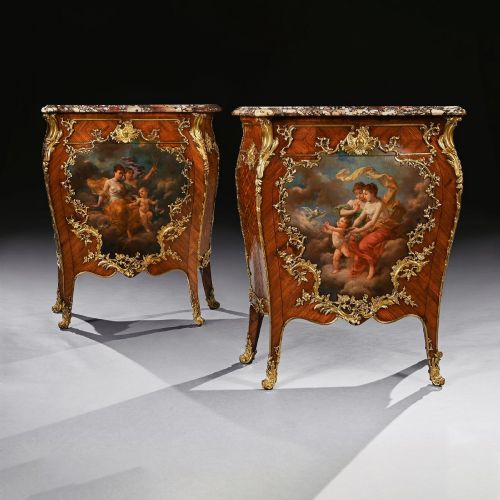
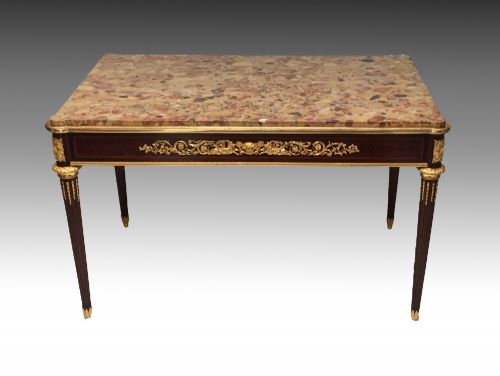
Makers combine these bronze elements with structural materials like mahogany, kingwood, burr walnut, and marble. Cabinets and desks feature intricate marquetry and parquetry, with mounts secured precisely to corners, feet, and aprons to frame the woodwork.
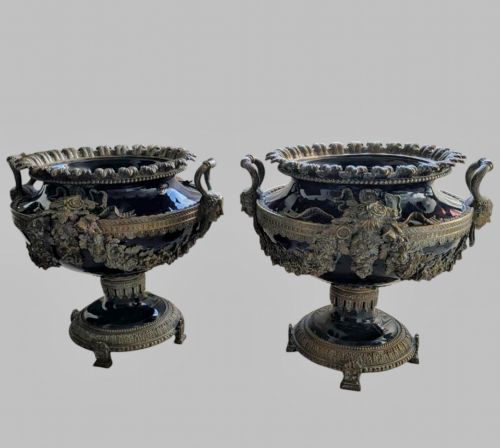
Bronze dragons occasionally hold up nineteenth-century flower pots.
What varies in quality
The distinction between ordinary and exceptional mounts lies in the crispness of the cast and the depth of the subsequent chasing work. Superior pieces retain sharp leafwork and facial details that weaker casts lose during production.
The richness of the gilding also dictates value, with thicker applications and well-preserved matte and polished finishes marking superior craftsmanship. The integration of the mount into the surrounding wood or marble reveals the maker's precision.
Thuret·François Linke·Mathew Gregson·Zwiener·J. Fischer Budapest·Mercier Feres
The Gilded Bronze Mounts Glossary
- Ormolu
- A term for gilded bronze, derived from the French for ground gold. It describes objects made of cast brass or bronze with a gold-coloured surface finish.
- Bureau plat
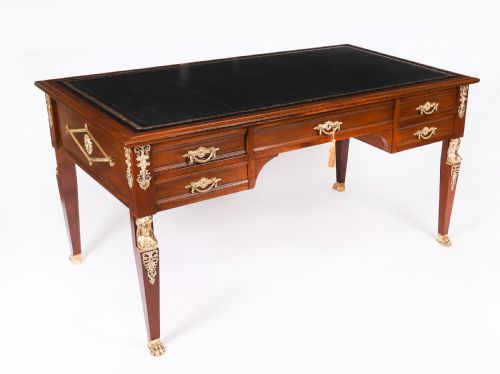
- A type of freestanding writing desk featuring a flat top, often bordered with ormolu mounts and standing on cabriole or tapered legs.
- Vitrine
- A glass-fronted display cabinet used for porcelain and objets d'art, frequently embellished with gilt bronze mounts along the cornices and feet.
- Jardinière
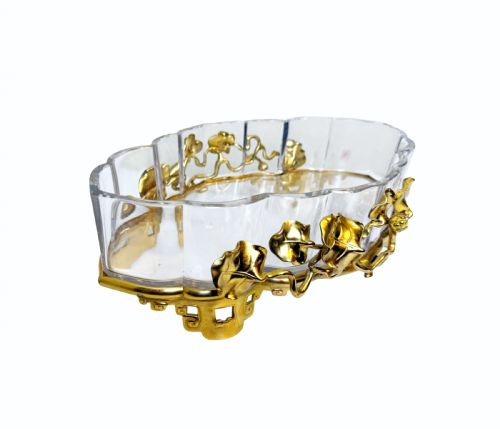
- A decorative container for holding plants or flowers, commonly rendered in ceramic or porcelain and supported by metal mounts.
- Tazza
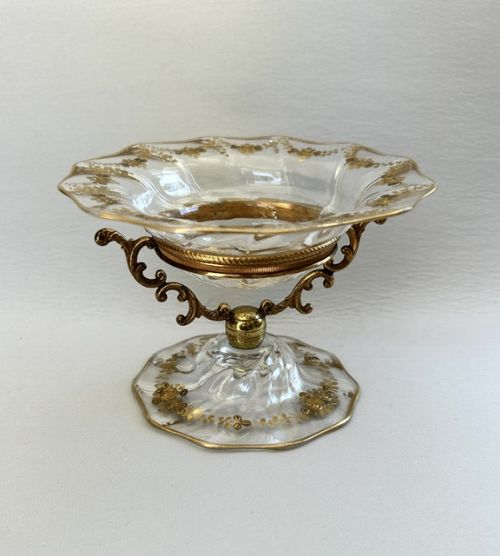
- A shallow cup or bowl raised on a standard and foot, often fashioned from marble and decorated with cast bronze borders.
Gilded Bronze Mounts: Frequently Asked Questions
How do I clean gilded bronze mounts?
Dust gently with a soft dry cloth to prevent the accumulation of grime on the textured surfaces. Avoid abrasive cleaners or metal polishes that strip the thin layer of gold.
Moisture can damage the underlying bronze or the wood surrounding the mount, so keep cleaning strictly dry. Professional conservation is best if tarnishing becomes severe.
What periods do these pieces come from?
The objects featuring these mounts date predominantly from the nineteenth century, spanning the Victorian era up to the early twentieth century. Many items adopt earlier aesthetic vocabularies, referencing the Louis XV and Louis XVI periods.
Later Victorian interpretations blend these historical French styles with contemporary manufacturing techniques. A smaller number of items date back to the eighteenth century.
Where were these items made?
The majority of the mounted furniture, clocks, and decorative items originate in France, particularly Paris workshops renowned for bronze casting. French cabinetmakers and metalworkers set the standard for these luxury goods throughout the nineteenth century.
Other items reflect regional European production, including pieces from Hungary and Vienna. Grand Tour travellers also brought home souvenirs incorporating these classical motifs.
What materials accompany the bronze?
Makers paired gilded bronze with exotic hardwoods like kingwood, mahogany, satinwood, and burr walnut. These woods often feature marquetry or crossbanding.
Natural stone also provides a base for the metalwork, with white, rouge, and onyx marble appearing on tabletops, pedestals, and clock cases. Crystal, porcelain, and champlevé enamel complete the composition.