
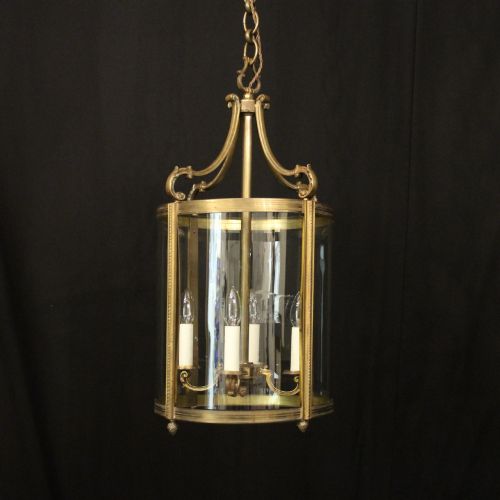
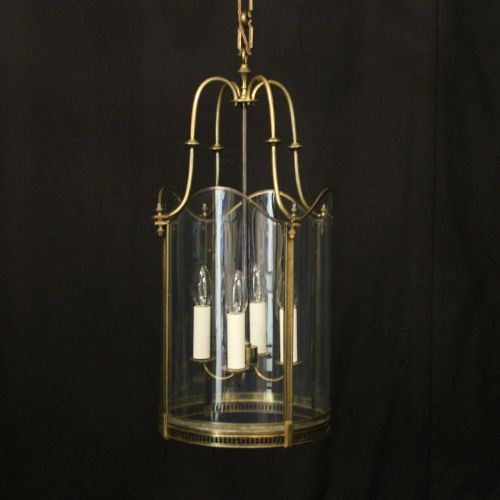
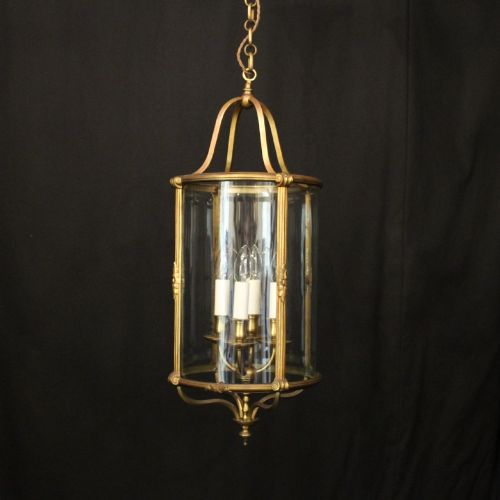
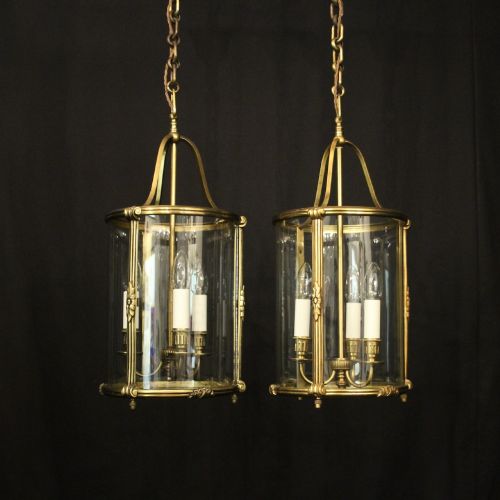
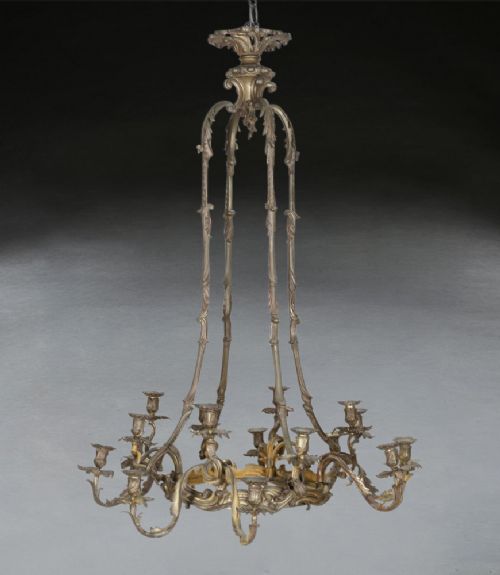


Gilded Bronze Hall Light
A gilded bronze hall light brings warmth to an entrance, casting patterned light through glass panels.
Gilded Bronze Hall Light
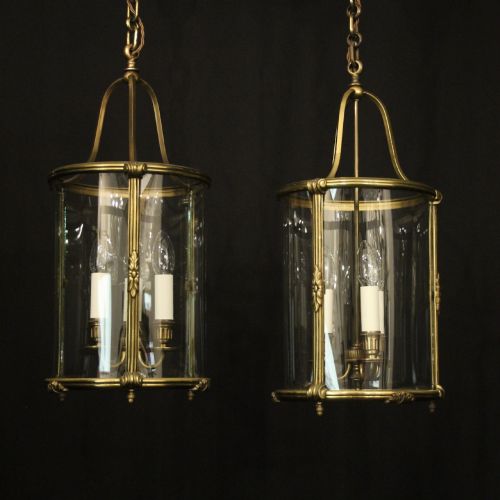
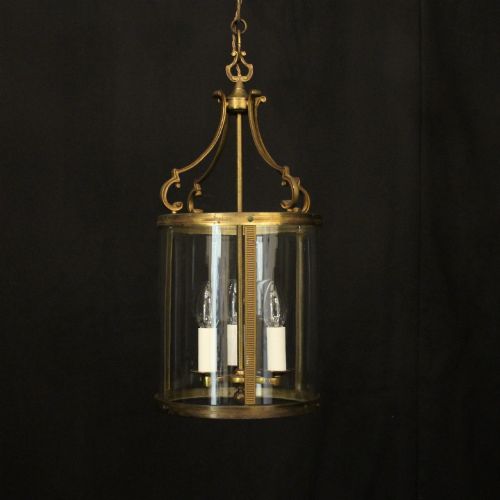
A gilded bronze hall light is an architectural hanging fixture designed to illuminate corridors, entranceways, and stairwells with a commanding presence. When searching for a gilded bronze hall light, buyers encounter pieces originating predominantly from French workshops during the nineteenth and early twentieth centuries, alongside occasional English examples.
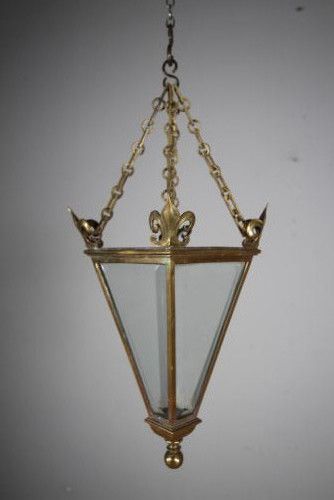
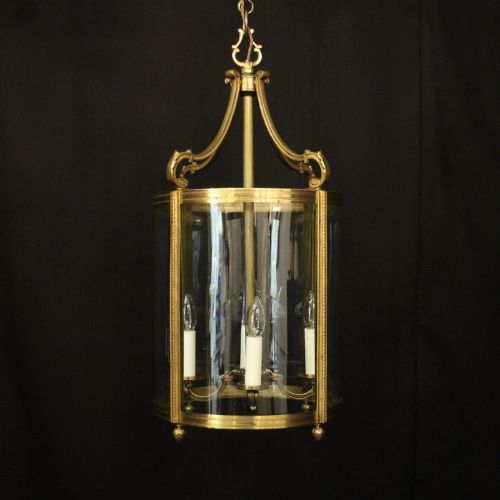
The standard configuration involves a metal frame enclosing glass panes, housing multiple internal lights. French examples frequently adopt styles rooted in neoclassical and rococo revival traditions, often taking the shape of convex or hexagonal lanterns suspended by chains or rods.
Materials and Construction Techniques
Makers constructed these fixtures using cast bronze or brass, applying a layer of gold leaf or gilt to the metal surface to achieve a radiant finish. This gilded metal framework was then fitted with glass panels, which were sometimes bevelled or given a convex curve to refract the interior illumination.
Internal configurations range from single bulb holders to multi-light fittings designed to carry three, four, or more lights. Structural joints were mechanically fastened or soldered, supporting the weight of both the heavy metal cage and the glass components.
Several lanterns are explicitly noted as following the grand designs found within the Palace of Versailles.
Distinctions in Execution
The refinement of the casting and the depth of the gilding set superior pieces apart from simpler productions. Better examples display crisp detailing in the decorative mounts and foliage, whereas lesser pieces show softer contours and flatter surface finishes.
The quality of the glass components also marks a division in the tier of the piece. Thick, heavy, bevelled, or convex glass panels require greater skill to produce and fit securely into the metal framework than flat, thin panes.
The Gilded Bronze Hall Light Glossary
- Gilded Bronze
- Bronze that has been coated with a thin layer of gold or gold leaf. This technique prevents tarnishing and provides a bright, reflective finish.
- Convex Glass
- Glass panels that curve outward. This shape disperses light across a wider angle and adds visual depth to the lantern.
- Ormolu
- Finely chanced and gilded bronze produced extensively in France. The term derives from the French for milled or ground gold.
- Bevelled Glass
- Glass with edges cut and polished at an angle. This treatment catches the light and creates a prismatic effect.
- Hall Lantern
- An enclosed hanging light fixture designed specifically for transitional spaces such as corridors and vestibules.
Gilded Bronze Hall Light: Frequently Asked Questions
How do I hang a heavy bronze lantern safely?
Suspension requires fixing directly into ceiling joists or using a substantial structural noggin capable of supporting the dead weight of the metal and glass. Wiring must pass down through the hanging chain or rod to reach the internal lamp holders.
Professional installation is recommended for older fixtures to ensure the electrical components and ceiling fixings meet modern safety standards while maintaining the original hanging height.
Can these antique lanterns be rewired for modern bulbs?
Most surviving fixtures can be adapted to accept modern electrical standards by replacing perished internal wiring and lamp holders. Rewiring preserves the historical exterior while allowing safe daily use in a contemporary domestic setting.
Conservators usually retain the original sockets if they remain serviceable, routing new heat-resistant flex through the central frame without altering the visible metalwork.
What is the difference between gilt bronze and brass?
Gilt bronze consists of a copper and tin alloy that has been gilded, offering a deeper, heavier base metal with a warmer underlying tone. Brass is an alloy of copper and zinc which is sometimes gilded or polished to resemble gold.
Bronze generally accepts and retains finer cast detail than brass, making it the preferred material for high-status decorative lighting fixtures.
How should I clean gilded bronze and glass?
Dusting with a soft, dry cloth prevents the accumulation of grime on the delicate gilded surfaces and glass panels. Avoid abrasive cleaners or harsh chemical solvents that can strip the gold leaf or damage the antique metal.
Glass panes can be lifted out if necessary and cleaned with mild soapy water, provided they are dried completely before being refitted into the frame.