







Gilded Bronze Frame
A gilded bronze frame turns a simple photograph, mirror or miniature into a decorative centrepiece.
Gilded Bronze Frame
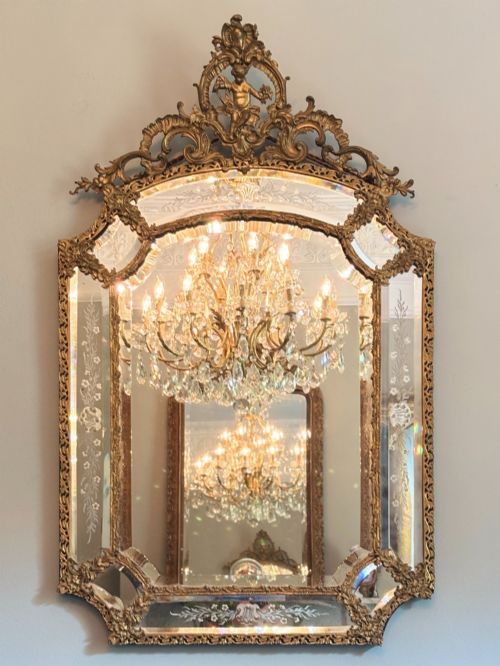
When you search for a gilded bronze frame, you are looking at metalwork designed to display portraits, mirrors and photographs. The pieces on this page span the nineteenth and early twentieth centuries, drawing heavily on French styles like Louis XVI Revival and Rococo.
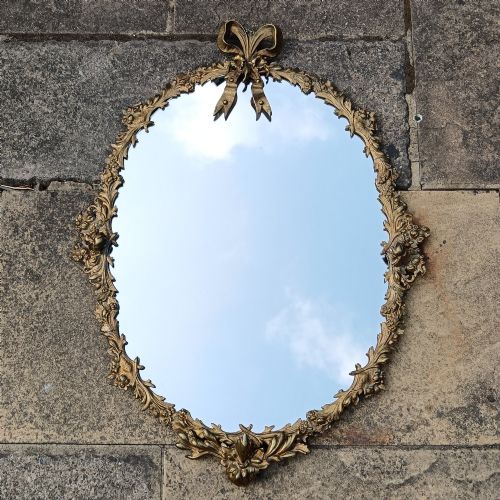
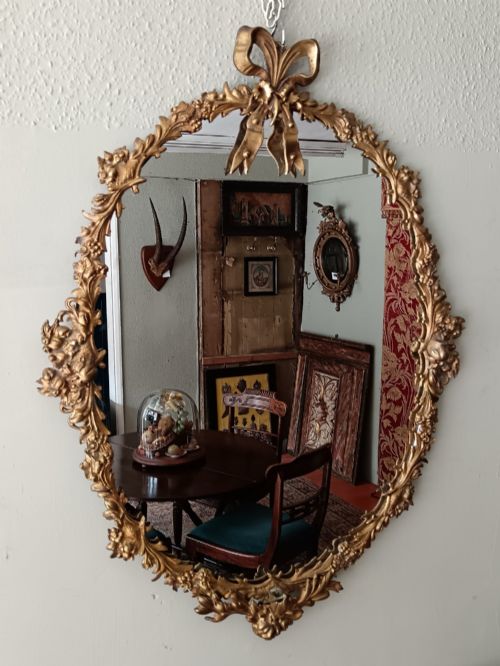
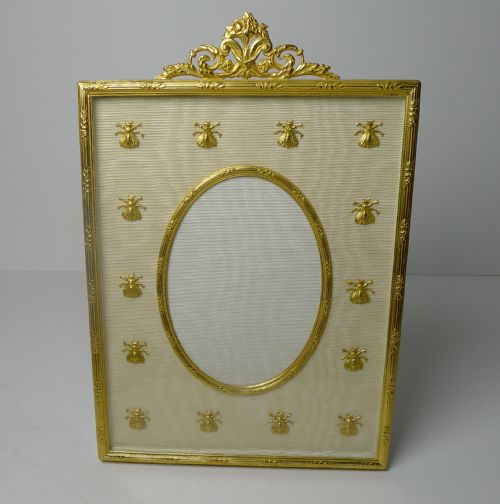
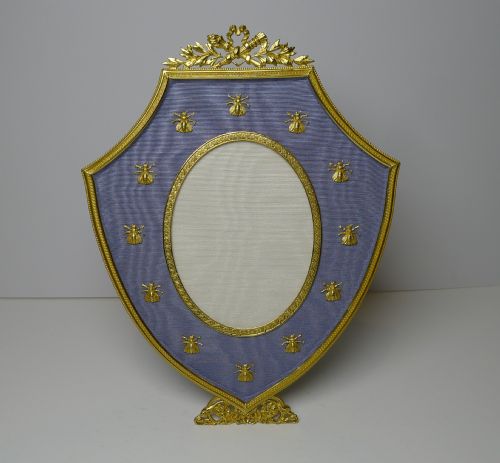
You will encounter tabletop photograph frames decorated with cherubs and Napoleonic bees, alongside oval wall mirrors and glazed table mirrors. Many originate from French workshops working around eighteen-ninety to nineteen-hundred, utilising heavy cast metal mounts.
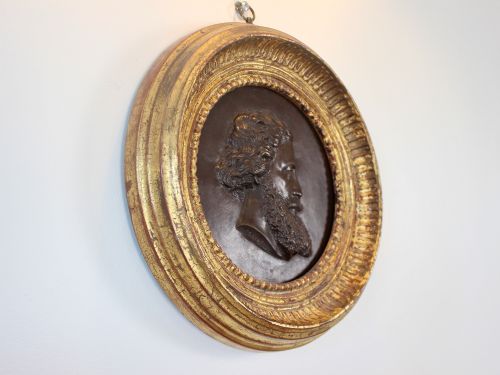
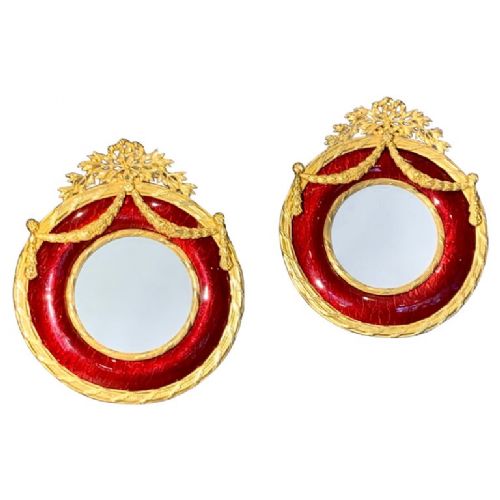
Beyond standard picture housings, the category includes crystal centrepieces, jewellery boxes and portrait miniatures set within cast metal borders. These items served a decorative function in nineteenth-century interiors, framing personal mementoes with ornate metalwork.
How they were made
Maker's workshops cast bronze using traditional foundry techniques before applying gold leaf or mercury gilding to the metal surface. This created a durable metallic finish that held intricate relief details such as floral scrolls and cherubs.
Many items incorporate supplementary materials like cut glass, champleve enamel, paste stones and silk backgrounds. Backings often consist of wood fitted with easel stands or hanging loops, secured by turnbuckles.
Gilded Bronze Frame Retail Price Guide 2026
Typical asking prices for gilded bronze frame among the pieces listed under this phrase on Sellingantiques today, from the lower quarter to the upper quarter. They describe what is for sale here now, not the wider market.
Several frames feature tiny sculpted bees scattered across the bronze borders, inspired by Napoleonic heraldry.
What varies in quality
The crispness of the cast relief work determines the grade of the piece, separating sharp, hand-chased ornamentation from softer, later reproductions. Superior examples retain deep definition in the foliage, figures and decorative motifs.
Intact original elements such as glass panels, enamel inlays, paste stones and silk linings elevate the worth of an antique. Pieces retaining their original wooden backs and structural pins demonstrate higher original integrity.
Boin Taburet·Mainfroy·F. Bienvue
The Gilded Bronze Frame Glossary
- Ormolu
- Gilt bronze produced by applying a finely ground gold-mercury amalgam to a bronze base and heating it. This technique was widely utilised by French metalworkers during the eighteenth and nineteenth centuries.
- Champleve enamel
- A technique where troughs are carved into the metal surface and filled with vitreous enamel powder before firing. The resulting coloured glass designs often accent the corners of frames.
- Paste stones
- Hand-cut lead glass mounted in metal settings to imitate precious gemstones. They frequently appear as decorative accents around the apertures of French photograph frames.
- Louis XVI Revival
- A nineteenth-century decorative style inspired by classical restraint, featuring symmetrical motifs, ribbons and floral garlands. It contrasts with the more asymmetrical curves of earlier Rococo designs.
- Cheval mirror
- A freestanding mirror mounted on a pivoting frame that allows the glass to tilt. Examples on this page combine wood and metal framing.
Gilded Bronze Frame: Frequently Asked Questions
How do I date a gilded bronze frame?
Dating relies on stylistic clues, framing construction, and the type of hardware used on the reverse. Pieces from the later nineteenth century often display specific revival motifs and patent easel backs.
Makers' marks, registration stamps, and retailer signatures also help establish an approximate decade of manufacture. Comparing the casting quality against dated historical examples narrows down the timeline further.
What is the difference between ormolu and gilded bronze?
Ormolu and gilded bronze refer essentially to the same material process of applying gold to a bronze substrate. Historically, ormolu denoted mercury gilding, a method largely discontinued due to health regulations.
Modern terminology often uses the terms interchangeably for antique metalwork. Both finishes yield a warm metallic lustre that distinguishes them from plain brass.
Can I replace the glass in an antique frame?
Replacing broken glass is possible, though finding period glass with correct thickness and minor imperfections preserves historical accuracy. Modern glass can serve as a temporary protective measure.
Care should be taken not to alter the original bezel or holding pins when fitting new glass. Retaining original curved or bevelled glass maintains the integrity of the piece.
How should I clean gilded bronze?
Cleaning should be limited to gentle dusting with a soft, dry brush to remove accumulated surface particles. Moisture and chemical polishes can strip the delicate gilt layer or damage underlying enamel.
Professional conservation is recommended for pieces showing heavy tarnish or oxidation. Avoid abrasive cloths that might wear down the raised relief details.