






Blue Silk Frame
These pieces brought together by the search phrase blue silk frame offer a glimpse into historic textiles and portraits preserved behind glass.
Blue Silk Frame
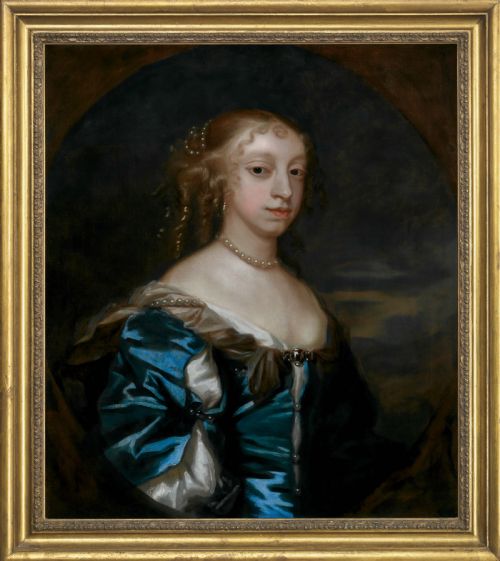
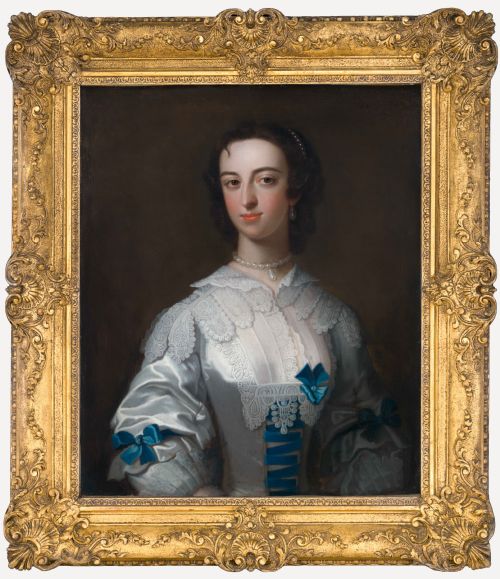
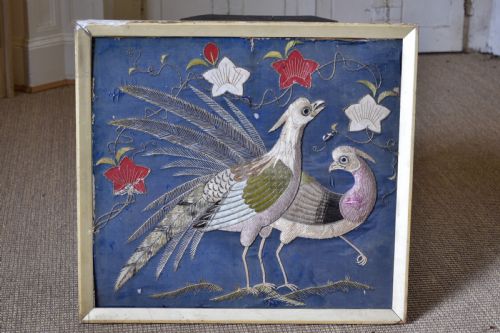
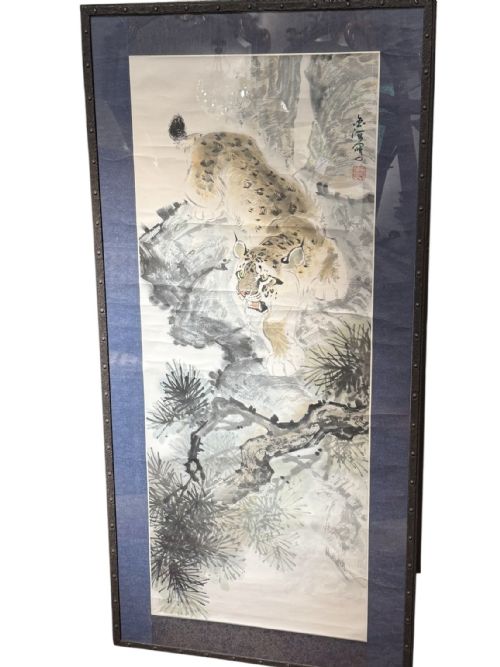
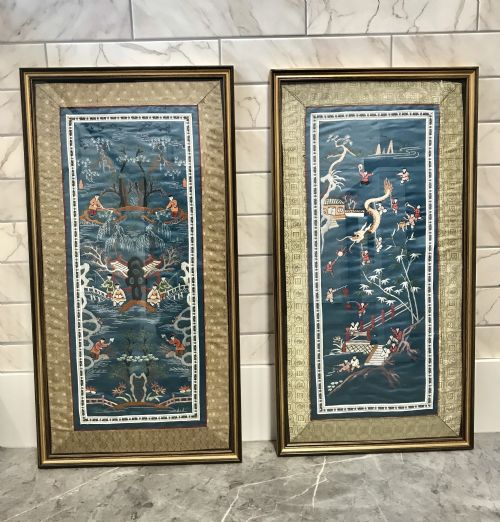
When you search for a blue silk frame, you encounter a mix of framed textiles, paintings depicting silk garments, and decorative panels spanning several centuries. The selection leans heavily towards 19th-century works alongside 18th-century portraiture and early 20th-century Chinese embroidery.
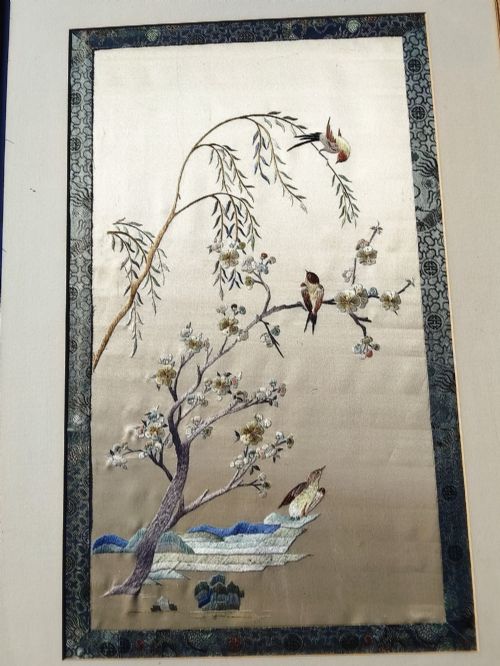
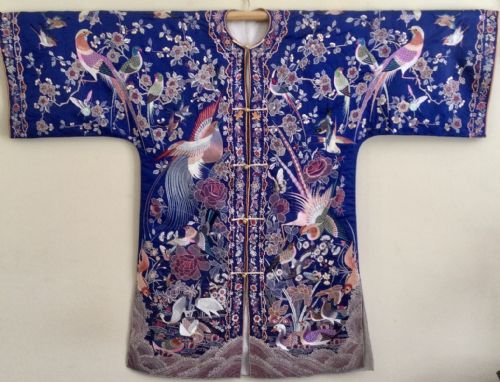
You will find items ranging from hand-sewn Chinese silk panels and ancestor portraits to oil paintings featuring subjects draped in blue silk gowns and ribbons. These pieces merge textile artistry with traditional framing, often incorporating wood and glass to protect delicate materials.
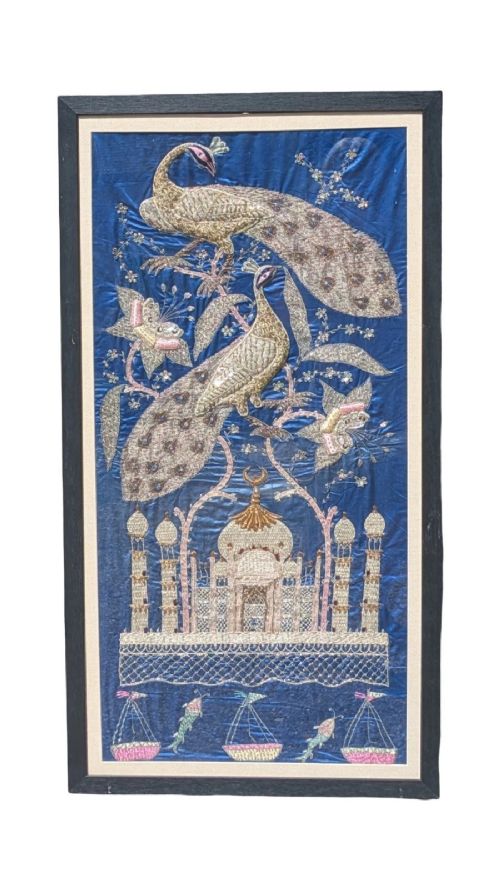
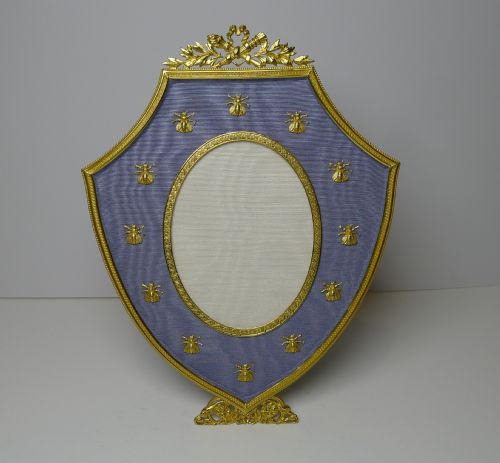
Origins stretch from English portraiture and French bronze photograph housings to Anglo-Indian embroidery and Qing Dynasty textiles. This variety allows collectors to choose between European portraiture and Asian needlework while retaining a consistent focus on fabric and framing.
Materials and construction methods
Makers utilised natural silk alongside wool, paper, and canvas as the primary grounds for paintings and needlework. Metallic thread and pigment frequently enhance the surface detail of these textiles and canvases.
Needlework pieces rely on hand-sewn techniques using coloured silk and metallic threads, while the oil paintings employ traditional canvas preparation with layered pigments and ink.
Blue Silk Frame Retail Price Guide 2026
Typical asking prices for blue silk frame among the pieces listed under this phrase on Sellingantiques today, from the lower quarter to the upper quarter. They describe what is for sale here now, not the wider market.
Listings incorporate silk, wood, glass, paper, metallic thread, gold leaf, ink, and pigment across multiple centuries.
Distinctions in craftsmanship
The precision of the needlework and the complexity of the silk threadwork dictate the upper tier of textile pieces, where individual stitches remain tight and uniform. Simpler compositions utilise broader strokes or less dense embroidery.
In painted works, the finesse of the brushwork on the fabric folds and facial expressions separates master output from standard workshop production.
The integrity of the surrounding wood and glass housing, including the application of gold leaf, marks the distinction between well-preserved historical mountings and later replacements.
Henry Pickering·Thomas Murray·Hans Hysing
The Blue Silk Frame Glossary
- Chinoiserie
- European artistic style reflecting Chinese motifs and decorative techniques. It appears frequently in furnishings and painted works from the eighteenth century.
- Needlework
- General term for decorative stitching executed by hand on a fabric ground. This encompasses both pictorial embroidery and canvas work.
- Ancestor Portrait
- Formal Chinese painting depicting family forebears, often executed on silk or paper for lineage records. These works frequently display formal robes and structured seating.
- Gilded Bronze
- Metalwork alloy treated with a gold leaf or mercury gilt finish. It provides a durable, ornate border for photographs and small artworks.
- Miniature Rug
- Small-scale woven carpet, often framed behind glass for display as wall art. Turkish and Central Asian examples demonstrate high knot densities.
Blue Silk Frame: Frequently Asked Questions
What periods do these framed silk pieces come from?
The selection spans from the early 18th century through the 19th century and into the early decades of the 20th century. This covers Georgian portraiture, Qing Dynasty textiles, and later Victorian or Edwardian framing styles.
Dating relies on stylistic clues within the paintings, the specific weave of the silk, and the construction methods used in the surrounding frames.
How should I care for a framed textile?
Keep these pieces away from direct sunlight to prevent the silk fibres and pigments from fading over time. Maintaining a stable room temperature helps protect organic materials like paper, wood, and thread.
Most items are protected behind glass, which limits dust accumulation on the delicate needlework or painted surfaces.
Are the frames original to the artwork?
Many historical textiles and paintings have been housed or re-framed in compatible periods to ensure their physical preservation. Some items retain their original mounting materials, such as gilded bronze or carved wood.
Inspecting the joinery and backing boards provides guidance on whether a frame shares the age of the artwork it encloses.
What is the difference between an ancestor portrait and a standard painting?
Ancestor portraits serve a specific commemorative function within Chinese tradition, depicting family members in formal poses and ceremonial dress. They are typically rendered on silk or paper scrolls.
Standard oil paintings from European traditions focus on portraiture or genre scenes, utilising canvas stretched over wooden frames rather than hanging scroll formats.